Prophetic has introduced Morpheus-1, a helmet that promises to induce lucid dreams using holographic transcranial ultrasound. Unlike other invasive or unreliable methods, this device aims to stabilize the dream state from the outside, without needles or uncomfortable electrodes. The technology relies on artificial intelligence to detect the exact moment of REM sleep and apply the appropriate stimuli.
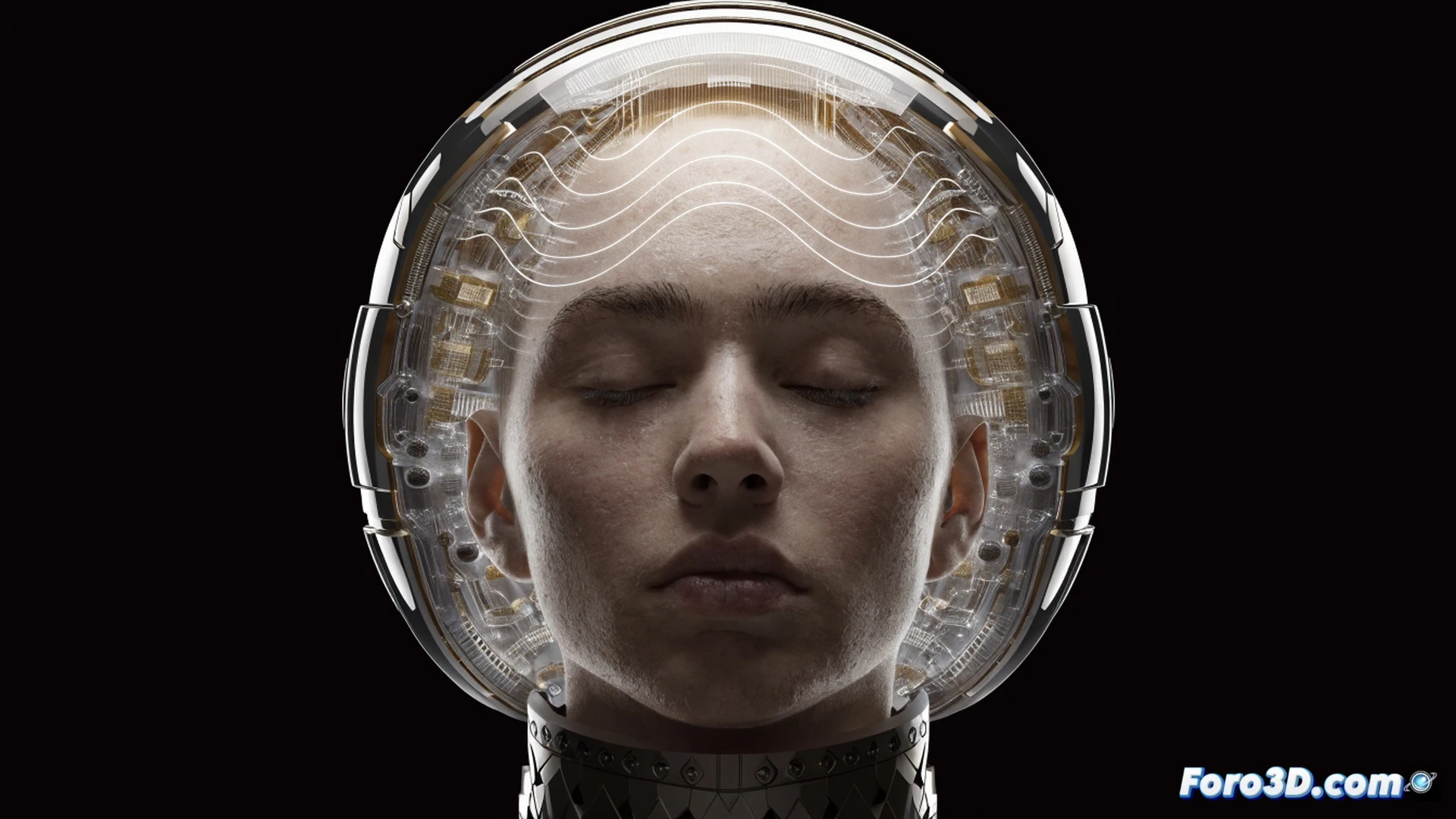
How holographic ultrasound works to control your dreams 🧠
The system uses an array of transducers that emit focused ultrasonic waves at specific brain regions, such as the prefrontal cortex. These waves generate holographic patterns that modulate neuronal activity without physical contact. A deep learning algorithm analyzes EEG signals in real-time to synchronize stimulation with sleep cycles. Spatial precision allows directing pulses to millimeter-sized areas, avoiding unwanted side effects. The device is calibrated to the user through an initial brain scanning session.
The technician's nightmare: calibrating your head to dream 😅
Of course, before you become a master of lucid dreaming, you'll have to go through the fun calibration phase. Imagine having to stay still while a machine maps your skull as if you were a construction site. And if you're one of those who moves while sleeping, get ready to wake up with the helmet crooked and a buzzing sound that your neighbors will mistake for a drill. At least, when you manage to control your dreams, you can dream that you are a technician who never had to calibrate anything.