ChatGPT has introduced a lock mode designed to protect sensitive data in companies. When activated, the artificial intelligence does not access the internet, download files, or display images, preventing hidden instructions in documents from leaking information to attackers. For users, this means greater security when handling confidential data, although the tool loses some of its functionality. The conclusion is clear: the risk of information leaks is reduced.
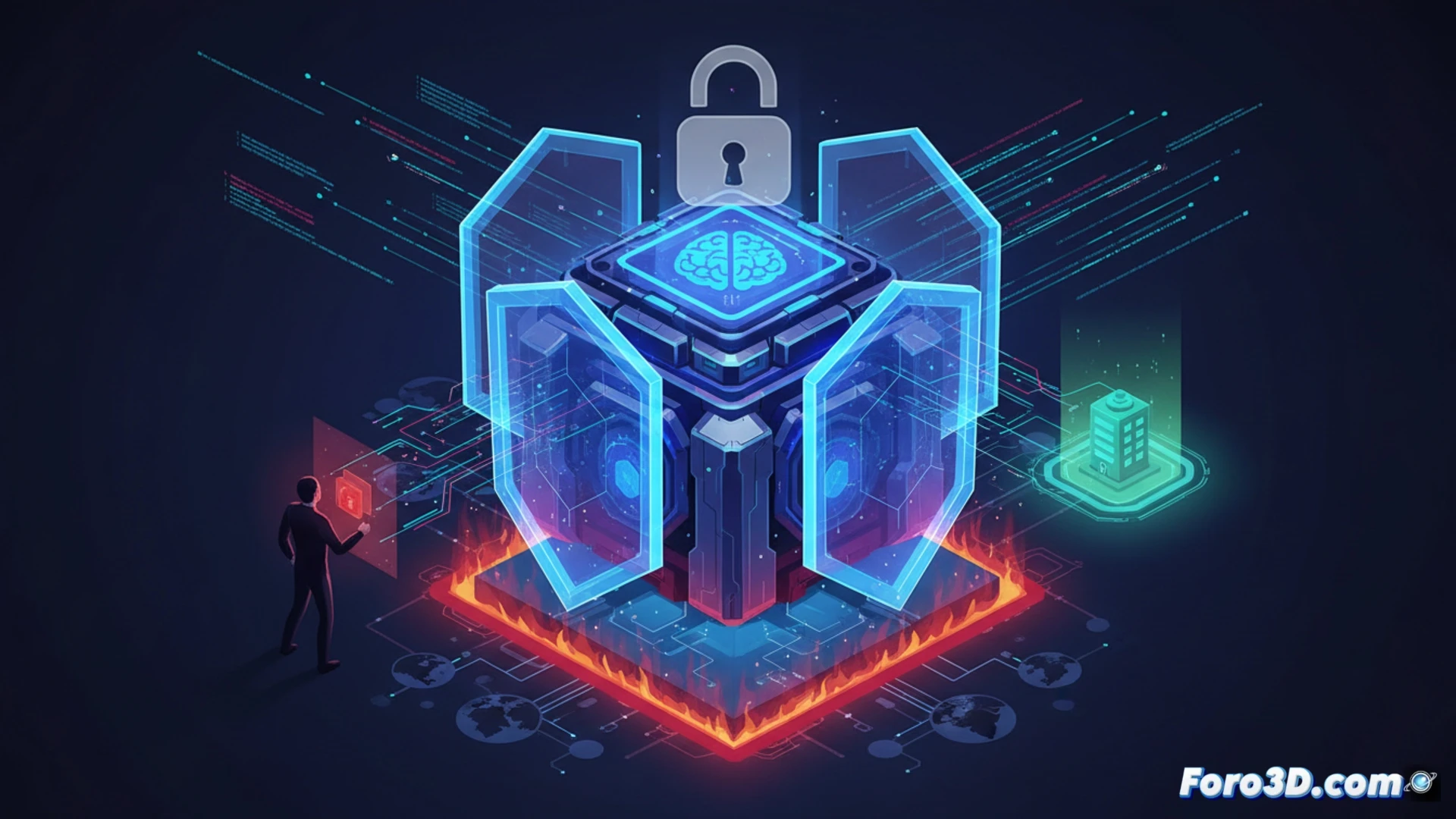
How the AI technical isolation works 🔒
Technically, lock mode cuts off all external connections of the model, disabling input functions such as file uploads, plugins, and web browsing. This prevents prompt injection attacks or malicious documents with hidden code from exfiltrating data. The AI operates in a closed environment, processing only direct user text. For developers, this means sacrificing capabilities like real-time search or link analysis, in exchange for a more controlled security perimeter in corporate environments where confidentiality is a priority.
Lock mode: your ChatGPT is now a paranoid office worker 😅
This mode turns ChatGPT into that coworker who won't even open a PDF without putting on three layers of a mask. Sure, the AI is now safer than a Swiss bank vault, but also more entertaining than a rock. Did you want it to analyze a sales chart? Sorry, lock mode activated. But hey, at least hackers are left wanting, and you have the peace of mind that no sensitive data will fly out the digital window.