Electric companies are accelerating the modernization of the distribution grid with a textbook argument: preventing outages and improving stability amid the rise of renewables and variable demand. It sounds good, but behind the excuse lies a technical move that changes the rules of the game for the end user.
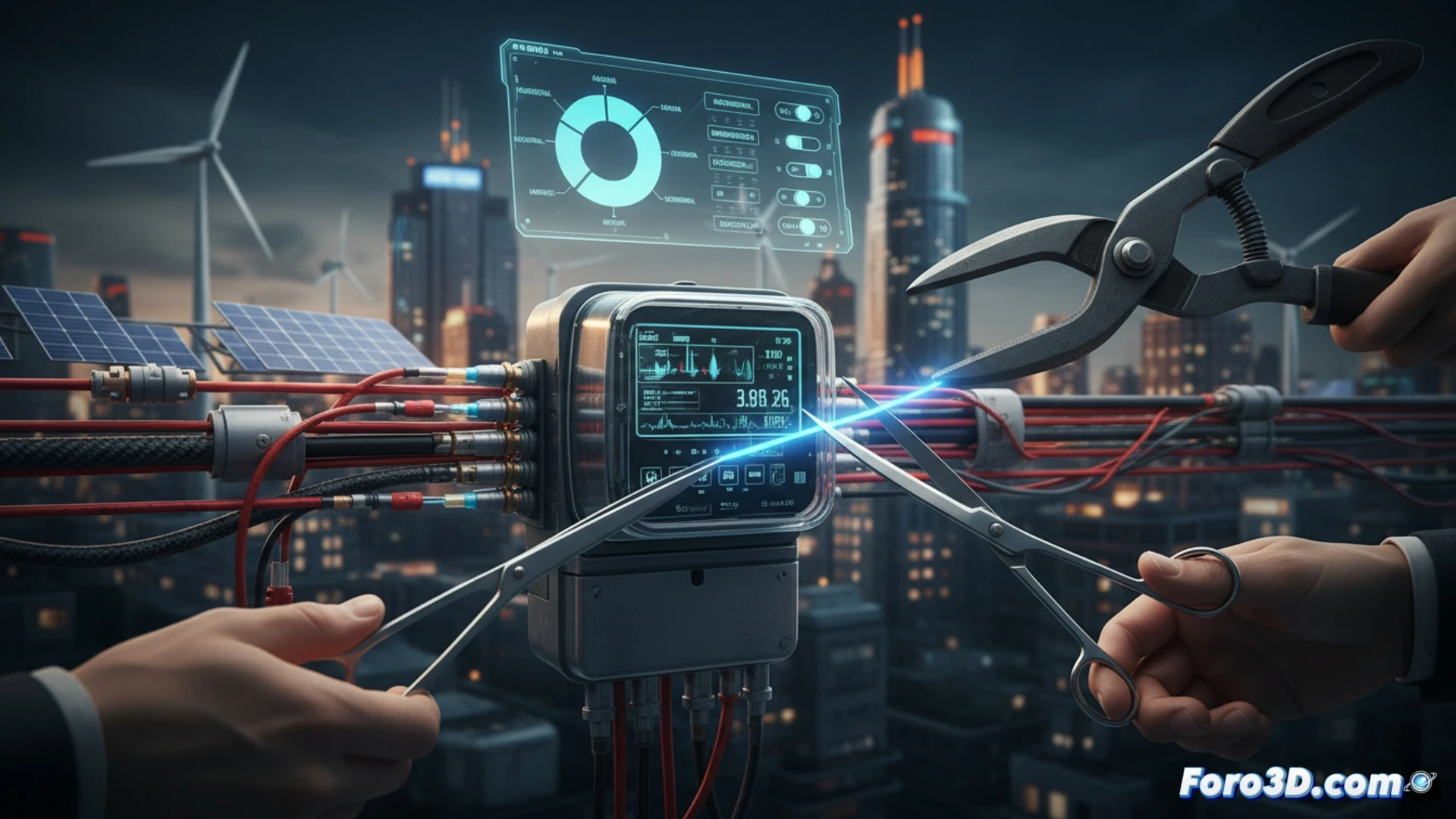
Smart meters and dynamic tariffs: the grid that watches you every minute ⚡
Modernization allows for the installation of meters that record your consumption by the minute and apply dynamic tariffs that spike during peak hours. The system can prioritize those who pay more for the same connection, leaving the rest with outages or high prices. The grid of the future is not just more reliable, but more controllable. Whoever controls the grid, controls the price. Knowing when you plug in your washing machine makes it possible for it to cost you twice as much to do so at eight in the evening.
The grid of the future: now you can pay more to charge your phone at 9 🔌
Technology is not neutral, and here they seem to have sharpened the scissors with Swiss precision. They say it's so everything works better, but one suspects the real goal is for you to pay a fortune for running the washing machine at a time that suits you. If the sector's track record is any indicator, you'd better prepare your wallet and a low-cost consumption schedule.