Shaken infant trauma, also known as shaken baby syndrome, represents one of the most devastating injuries in the pediatric population. The biomechanics of this phenomenon involve acceleration and deceleration forces that cause damage to the brain, retina, and cervical spine. Thanks to three-dimensional modeling, it is now possible to recreate these injury mechanisms with millimeter precision, allowing forensic doctors and neurologists to understand the invisible dynamics of trauma without intervening on a real patient.
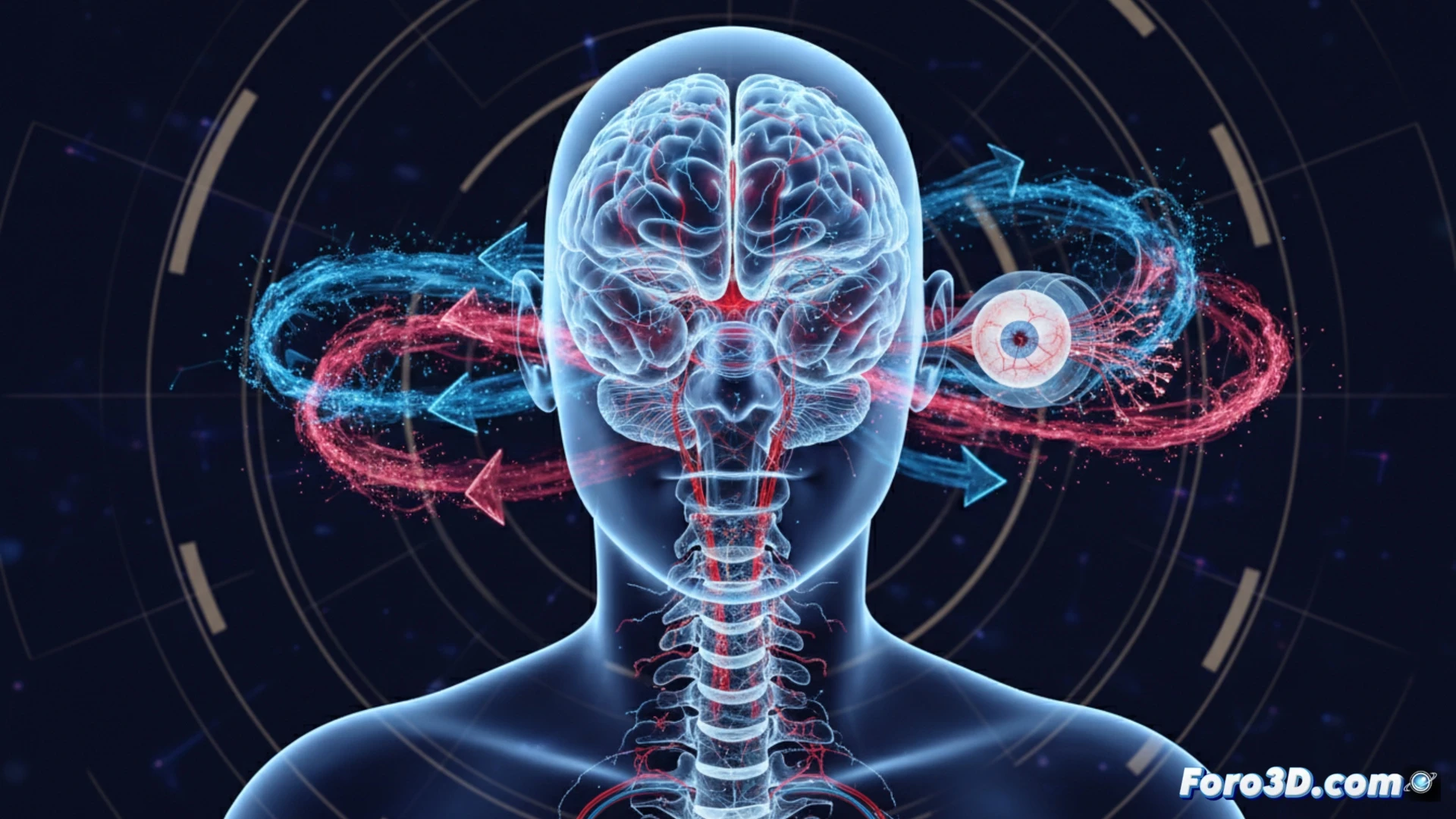
Biomechanical simulation and reconstruction of neurological damage 🧠
The modeling process begins with the acquisition of magnetic resonance imaging (MRI) and computed tomography (CT) data from pediatric patients, which are segmented to generate volumetric meshes of the skull, brain, and meninges. Mechanical properties of tissues, such as Young's modulus and Poisson's ratio, extracted from infant histology studies, are applied to these geometries. Using finite element software, repetitive shaking forces are simulated, observing the deformation of the brain parenchyma, stretching of bridging veins, and retinal detachment. Results are visualized in 3D with stress and displacement maps, facilitating the identification of critical points of vascular rupture.
Forensic prevention and pediatric education 👶
Beyond clinical research, these three-dimensional reconstructions have become key tools in the training of forensic experts and pediatricians. By visualizing in real time how a shake generates subdural hematomas or cerebral edema, professionals can differentiate accidental injuries from those caused by abuse. Additionally, the models are used in awareness campaigns aimed at caregivers, tangibly showing the impact of sudden movements on a baby's neck and head, thus contributing to the primary prevention of this serious pathology.
How can biomechanical 3D modeling of shaken infant trauma help differentiate accidental injuries from those caused by abuse in forensic practice
(PS: If you 3D print a heart, make sure it beats... or at least that it doesn't cause copyright issues.)