The recent news about unexpected heating in a nuclear module underscores the need for advanced predictive tools. 3D simulation has become a cornerstone of industrial safety, allowing engineers to visualize heat propagation and structural stresses without exposing personnel to real risks.
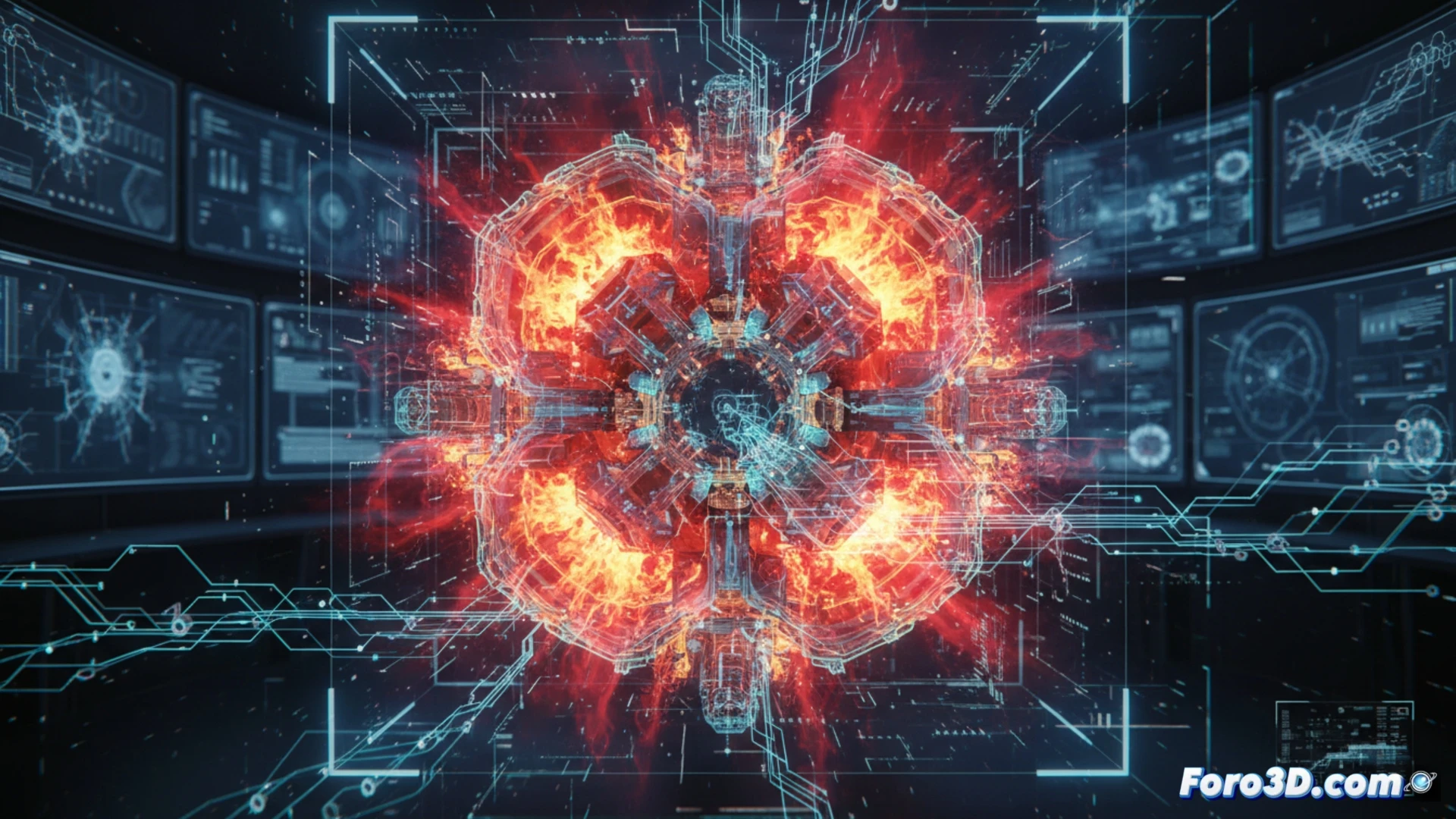
Technical analysis: Digital twins and thermodynamics 🔥
In a digital twin of a reactor, real sensor data is integrated with computational fluid dynamics (CFD) models to recreate the exact thermal behavior of the module. During a simulated overheating event, the 3D software allows identifying critical fatigue points in the fuel rods and the containment vessel. These models predict material deformation under thermal stress, offering a dynamic heat map that operators can consult in real time. The ability to isolate variables, such as coolant flow or duct blockage, allows optimizing emergency protocols before a real incident occurs.
Reflection: The value of virtual training 💡
Beyond prediction, 3D simulation transforms the training of response teams. Practicing cooling and evacuation maneuvers in a safe virtual environment eliminates the margin for human error in a real crisis. This technology not only saves lives but also reinforces public confidence in nuclear energy management by demonstrating a proactive commitment to prevention and technical transparency.
How can 3D modeling accurately predict overheating patterns in nuclear modules to anticipate catastrophes before they occur?
(PS: Simulating catastrophes is fun until the computer crashes and you are the catastrophe.)