The micro-roughness of the mandible is a key factor in oral implantology. This micrometer-scale topography directly influences osseointegration. By modifying the implant surface, the goal is to mimic the natural texture of bone. It is not an aesthetic trend; it is a matter of biology. The success of the anchorage depends on this controlled roughness, which guides bone cells toward a solid and lasting fixation.
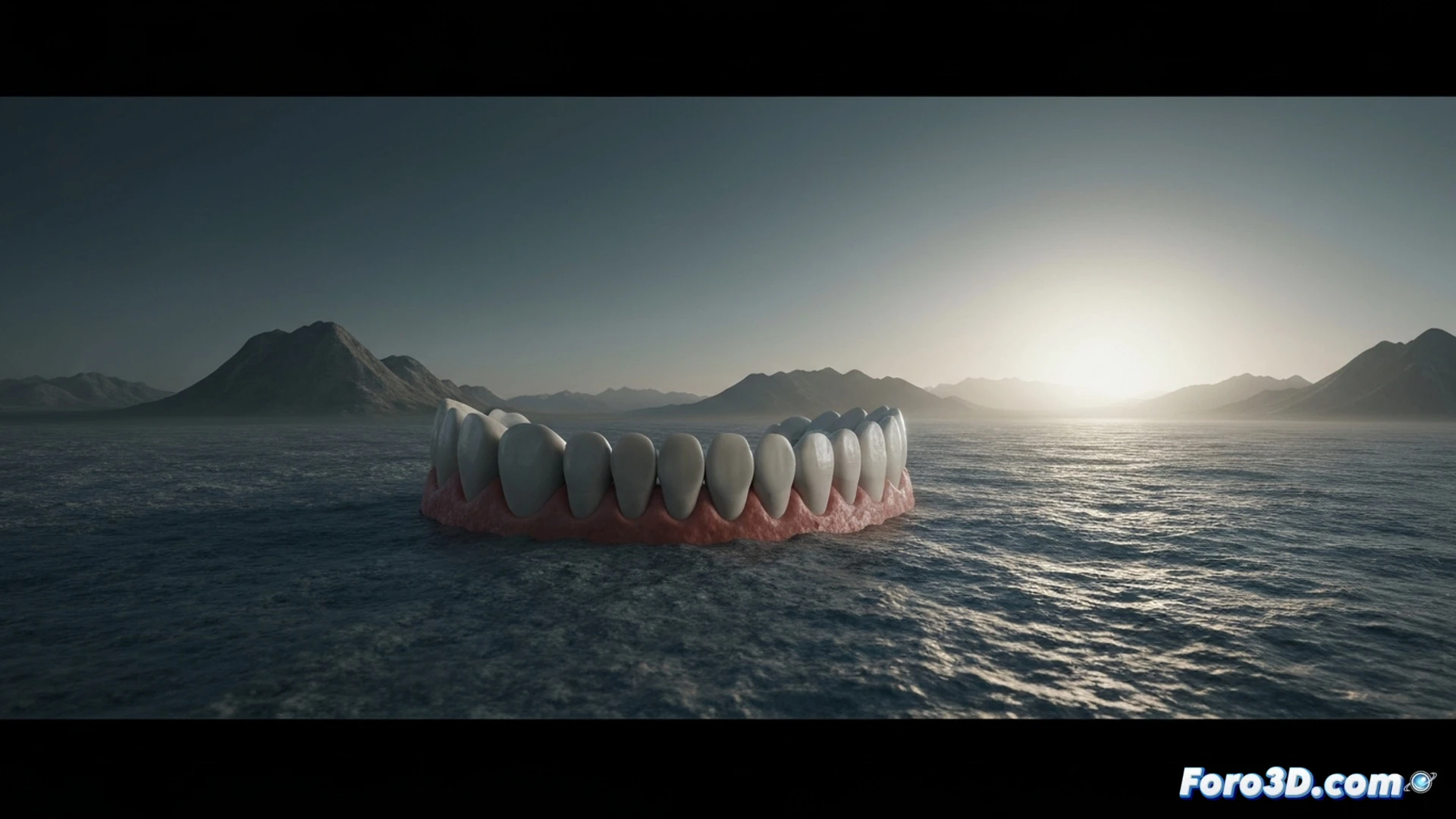
How Laser and Acid Etching Define the Implant Surface 🦷
Two techniques dominate the creation of micro-roughness: acid etching and blasting with biocompatible particles. The first selectively dissolves the titanium surface, creating cavities of 1 to 3 microns. The second projects particles at high speed to generate an irregular but uniform texture. Both aim for a specific parameter: an average roughness (Ra) between 1 and 2 microns. Outside this range, cell adhesion is compromised, or the surface becomes too smooth to retain the initial blood clot.
The Texture That Makes an Osteoblast Happy (and Your Dentist Too) 🔬
It turns out that osteoblasts are connoisseurs of detail. They are not satisfied with just any surface; they demand a specific roughness to feel comfortable and start depositing bone. It is as if the cells were hotel critics: if the texture is not right, they pack their bags and leave. Fortunately, engineers already know what kind of sheets to provide them. And we, the patients, just hope they don't complain about the room service.