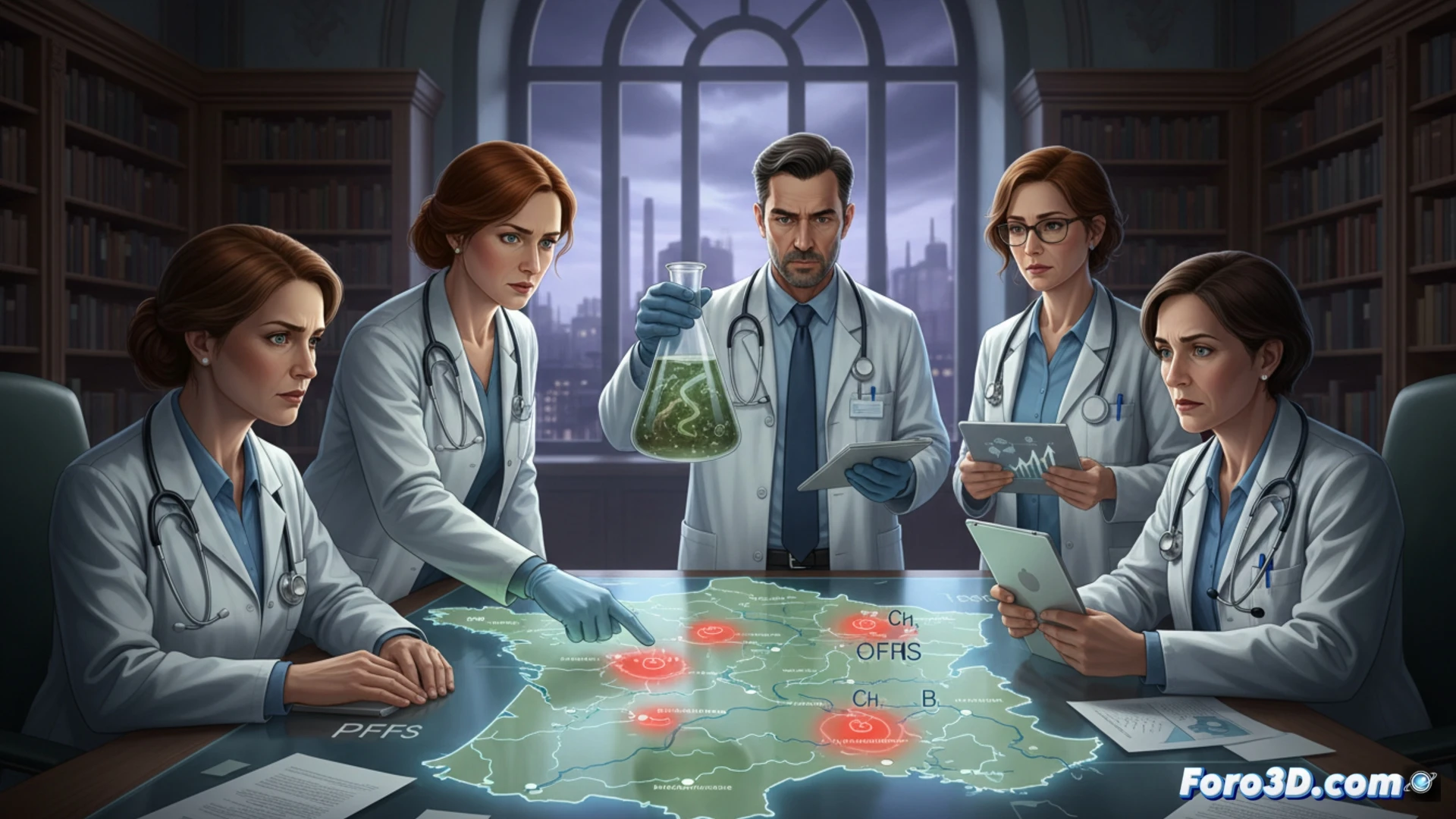
A group of French doctors has sent a letter to the government warning that contamination of drinking water by pesticides, PFAS, and microplastics represents a serious public health problem. The professionals are calling for recognition of the direct relationship between the environment and the health of the population. For citizens, this means that the water they drink daily could contain harmful substances whose effects manifest over the long term, such as hormonal disruptions or certain types of cancer.
Filters and sensors: technology to measure the invisible 🔬
Detecting these contaminants requires advanced equipment such as mass spectrometers and electrochemical sensors capable of identifying traces of PFAS in parts per trillion. In the domestic sphere, activated carbon filters and reverse osmosis can reduce microplastics and pesticides, although they do not eliminate all compounds. The development of portable real-time analysis systems is advancing, but their cost remains high for widespread use. The technology exists, but its large-scale implementation is a pending challenge.
Designer water: now with seasonal pesticides 🚰
If tap water came with a label, some would say: contains traces of glyphosate, a touch of PFAS, and a crunchy finish of microplastics. The French doctors have spilled the beans, and not exactly to cook pasta. Meanwhile, authorities debate whether the problem deserves a study group or a commission. Perhaps they will solve it by adding a carbon filter to the tap at the National Assembly, which is where the change really makes a difference.