More than 130 mathematicians from around the world have signed the Leiden Declaration, a document warning about the impact of artificial intelligence on the discipline. According to the signatories, the use of AI tools to generate proofs threatens the autonomy of human reasoning and the verifiability of results, opening the door to errors that are difficult to detect.
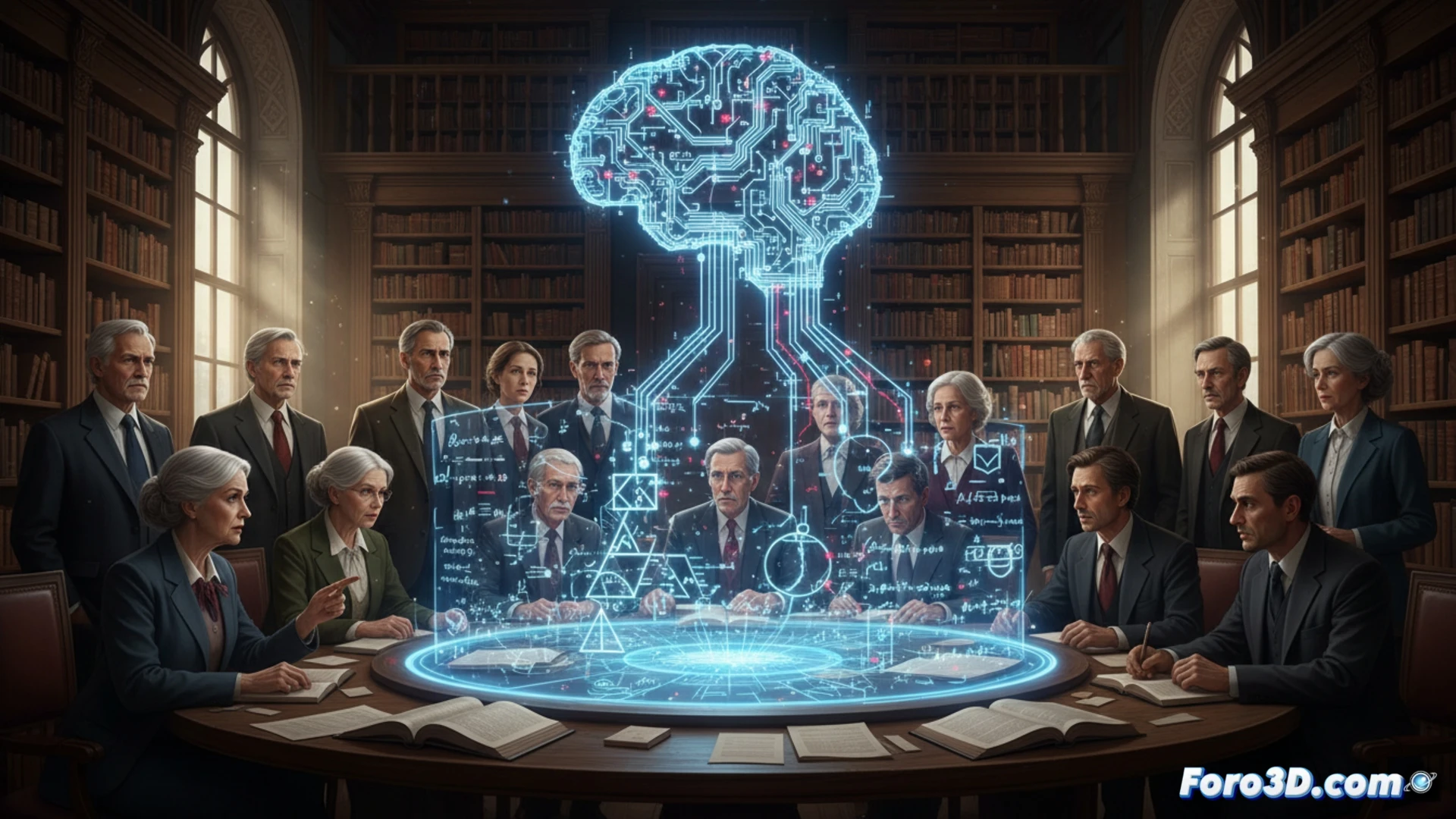
The verification dilemma in machine-generated proofs 🧠
The central problem lies in the nature of mathematical proofs generated by AI. Unlike a numerical calculation, a formal proof requires a logical structure that can be verified step by step. Current models, such as large language models, can produce chains of reasoning that appear coherent but hide logical leaps or false assumptions. Without thorough human review, these flaws propagate, contaminating future research and eroding trust in the results.
AI solves equations, but doesn't know if they are true 🤖
It's like asking a parrot to solve a sudoku: it can repeat the numbers, but it doesn't understand the rules. AI generates proofs that look like textbook examples, but at the first logical error, the house of cards collapses. While mathematicians worry about rigor, the machine only cares about appearing convincing. At least the parrot doesn't try to publish in indexed journals.