3D art is preparing for a conceptual leap: designing mutable maps that reconfigure themselves according to current international treaties. Sovereignty ceases to be a static line and becomes a dynamic visual experience. The viewer not only observes but negotiates the territory as a living work, where each diplomatic agreement modifies the digital landscape.
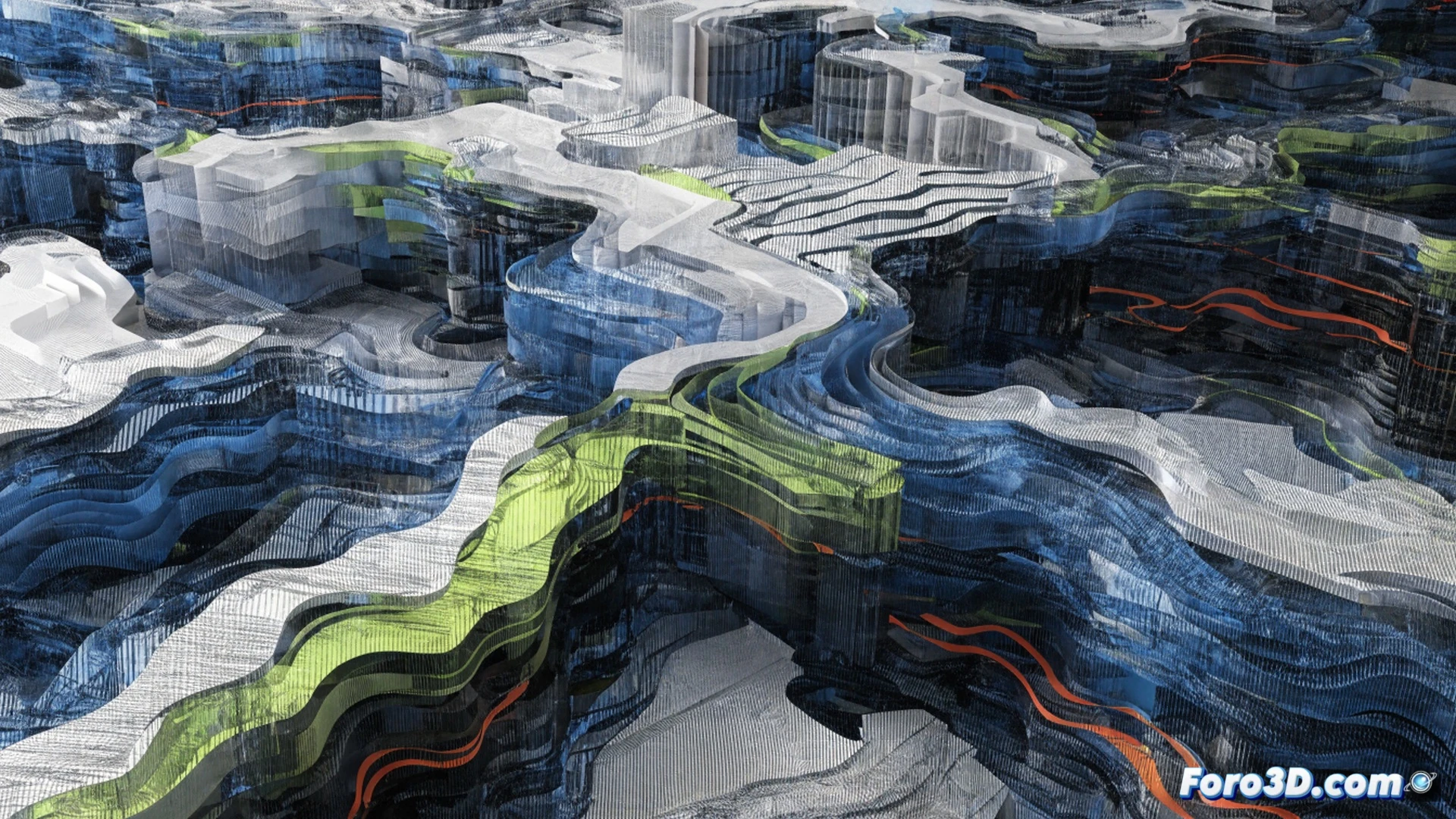
Algorithmic reconfiguration of virtual borders 🗺️
Technical development relies on real-time rendering engines connected to geopolitical databases. Each change in a treaty activates an algorithm that shifts polygons, adjusts textures, and recalculates the topography of affected regions. Input sensors allow the user to propose modifications, which the system evaluates against predefined validation rules. The experience becomes participatory, but subject to programmed logic.
Flexible borders: a geographer's dream with GPS 🧭
Now anyone can feel like a weekend diplomat: you move a border with the mouse, and suddenly your neighbor loses access to the supermarket. The irony is that while you argue on the forum about annexing the kitchen of the upstairs apartment, the real map has already changed due to an agreement on wheat prices. In the end, sovereignty is a serious matter, but at least 3D art makes it a bit more fun (and chaotic).