The video game Lunar Strike presents a future where Earth, after multiple crises, uses the Moon as a secure archive for valuable objects and data. This premise is not only appealing to players but also introduces a practical idea: photogrammetry, a 3D scanning technology, can be used to preserve memories or cultural heritage before they disappear. A blend of science fiction with real possibilities.
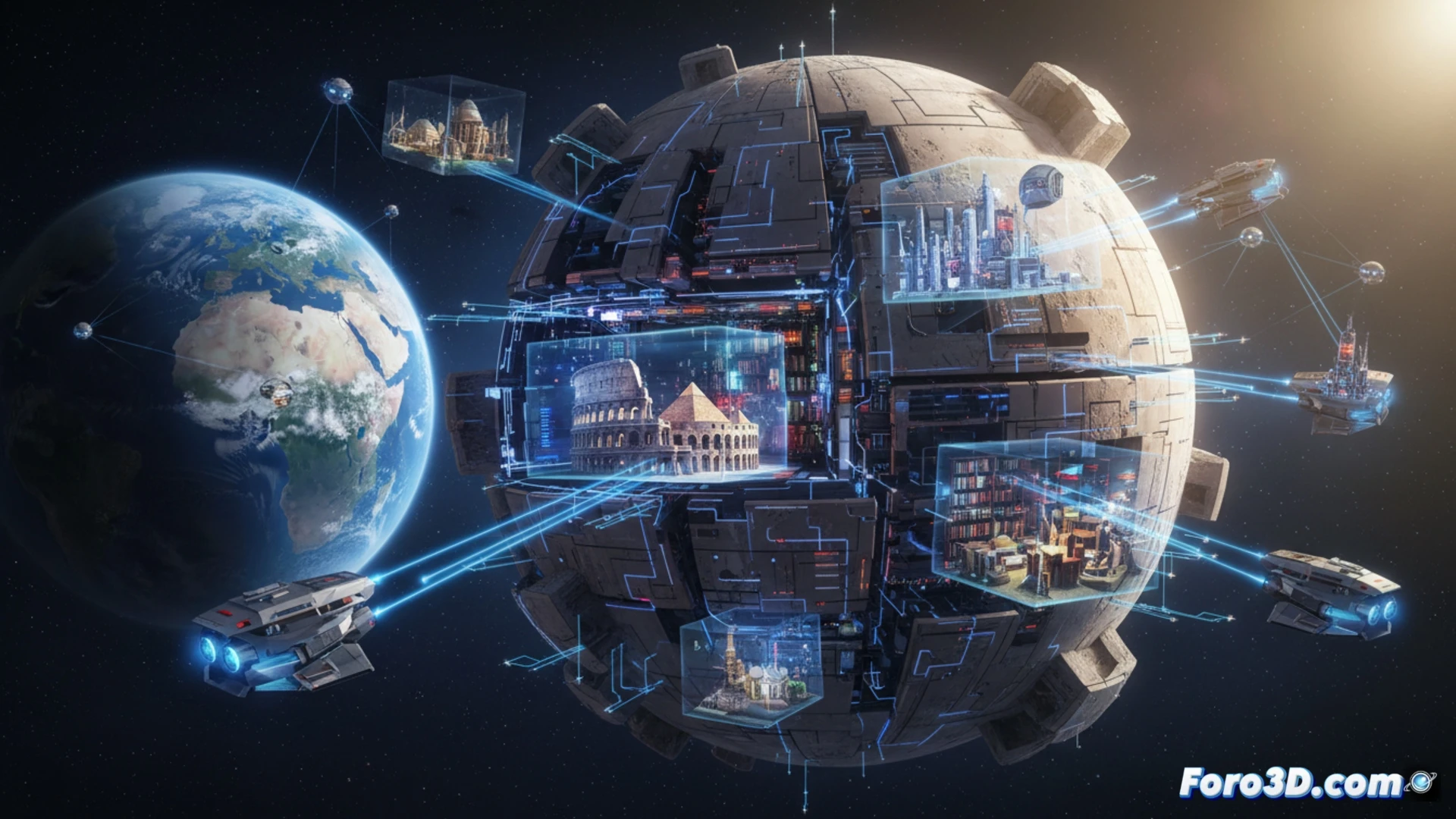
Lunar photogrammetry: how the archive of the future works 🌙
Photogrammetry involves taking multiple photographs of an object from different angles to generate an accurate three-dimensional model. In Lunar Strike, this process is applied on a planetary scale: players scan monuments, works of art, or family heirlooms to send them to the lunar base. The game simplifies the technique but reflects a real use of this technology in archaeology and digital preservation. You don't need a rocket, just a camera and processing software.
The dark side of the move: who pays the rent on the Moon? 🚀
If Earth becomes uninhabitable, at least we can console ourselves by watching the 3D replica of our favorite coffee maker orbiting 384,400 kilometers away. What the game doesn't explain is who takes care of the lunar dust on the servers, or if the neighbors in Mare Tranquillitatis will complain about the noise from the scanners. Meanwhile, we have to decide what is important enough to deserve an interstellar trip. Spoiler: your collection of 90s trading cards doesn't make the cut.