The legal conflict known as Agricultural Shade Litigation arises when an infrastructure casts its shadow over crops, reducing the solar radiation necessary for photosynthesis. This type of dispute, increasingly common with the rise of solar parks and high-rise buildings, requires precise quantification of the damage. Urban planning and agricultural regulations often clash with the lack of concrete visual evidence, making a rigorous technical approach indispensable for determining the right to light and the loss of yield.
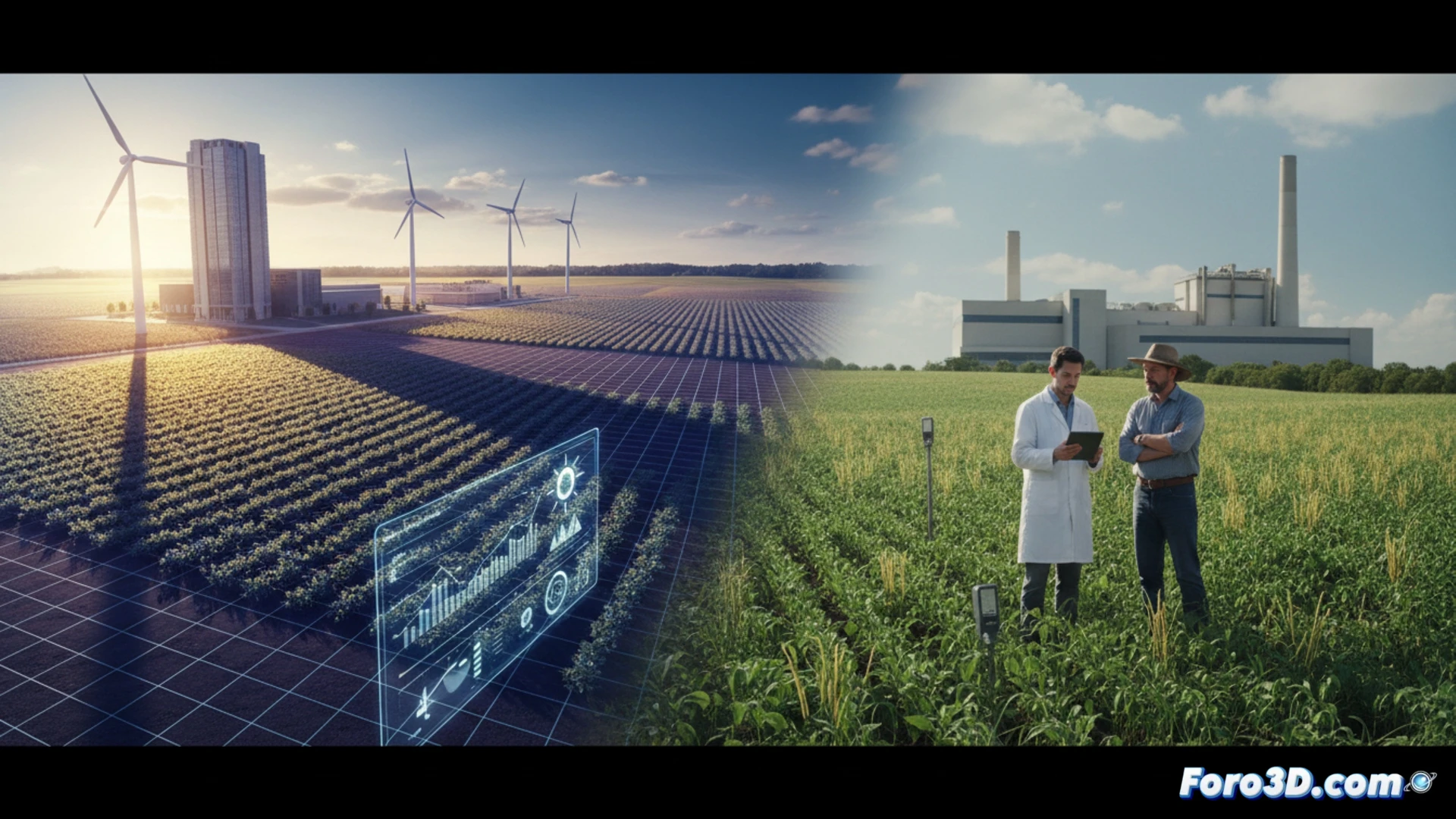
3D Simulation of Solar Path and Radiation 🌞
3D modeling technology allows for digitally recreating the terrain, the accused structure, and the affected crop. Using solar simulation engines, the sun's path is calculated for any date and geographic location, generating a dynamic shadow map. This analysis quantifies accumulated shadow hours, the reduction of photosynthetically active radiation (PAR), and the consequent decrease in crop yield (kg/ha). The result is an objective expert report that visualizes the hourly impact on each square meter of crop, serving as irrefutable evidence in lawsuits for damages or non-compliance with legal distances.
Predictive Compliance and Risk Management 🛡️
Beyond litigation, 3D simulation becomes a digital compliance tool for developers and farmers. Before construction, the impact of projected shadows on neighboring farms can be assessed, avoiding future lawsuits. This data verification allows adjusting the structure's height or orientation to comply with right-to-light regulations. In an increasingly strict regulatory environment, simulation not only defends but also prevents conflict, transforming a legal risk into quantifiable and manageable data.
How can 3D modeling of solar path and orography conclusively demonstrate economic damage in an agricultural shade litigation, and what technical criteria do courts require to admit this digital evidence?
(PS: at Foro3D we know that the only compliance that works is the one tested before, not after)