China dominated the electric car market with LFP batteries, prioritizing low cost and long lifespan. Meanwhile, the United States is forging its own path with LMR, a technology that promises higher energy density and better performance in cold climates, without using nickel or cobalt. General Motors and Ford are at the forefront, although LMRs are still in the laboratory phase.
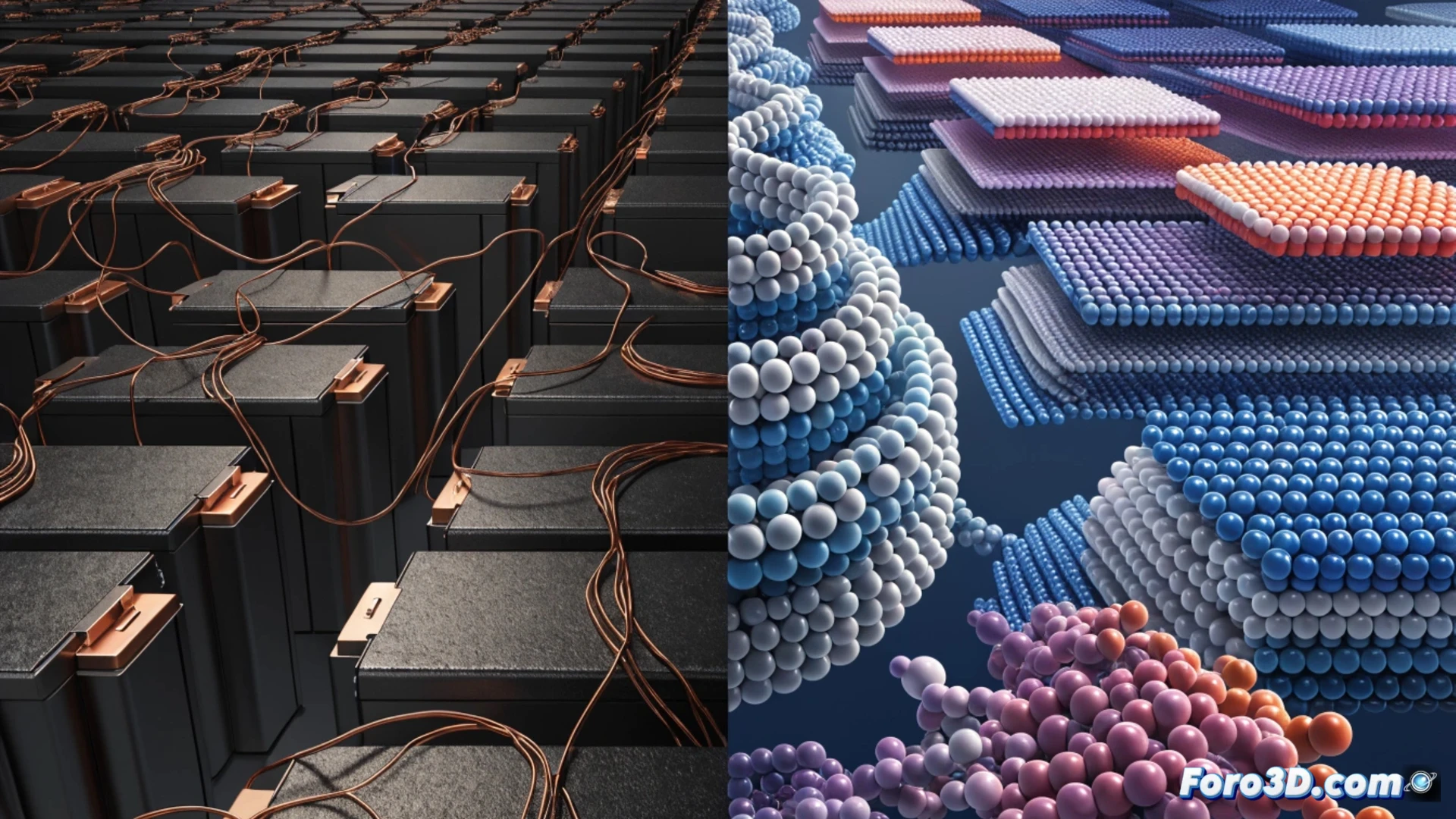
The promise of LMR: more energy, fewer conflict materials ⚡
LMR (lithium-manganese rich) batteries offer superior energy density compared to LFP, which could translate into cars with greater range. Additionally, they perform better in sub-zero temperatures, a weak point of LFP. However, their development faces a serious obstacle: accelerated degradation with charge cycles. Researchers at GM and Ford are working to stabilize cathode materials to prevent capacity loss before 500 cycles, something LFP batteries handle with ease.
Degradation: the Achilles' heel of the American battery 🧊
While China sells millions of cars with LFP batteries that last like a Soviet tank, GM and Ford are trying to keep their LMRs from dying before the warranty expires. For now, American batteries promise more but last less than an internet meme. If they don't fix that, the only cold they'll be fighting is the one in empty dealerships.