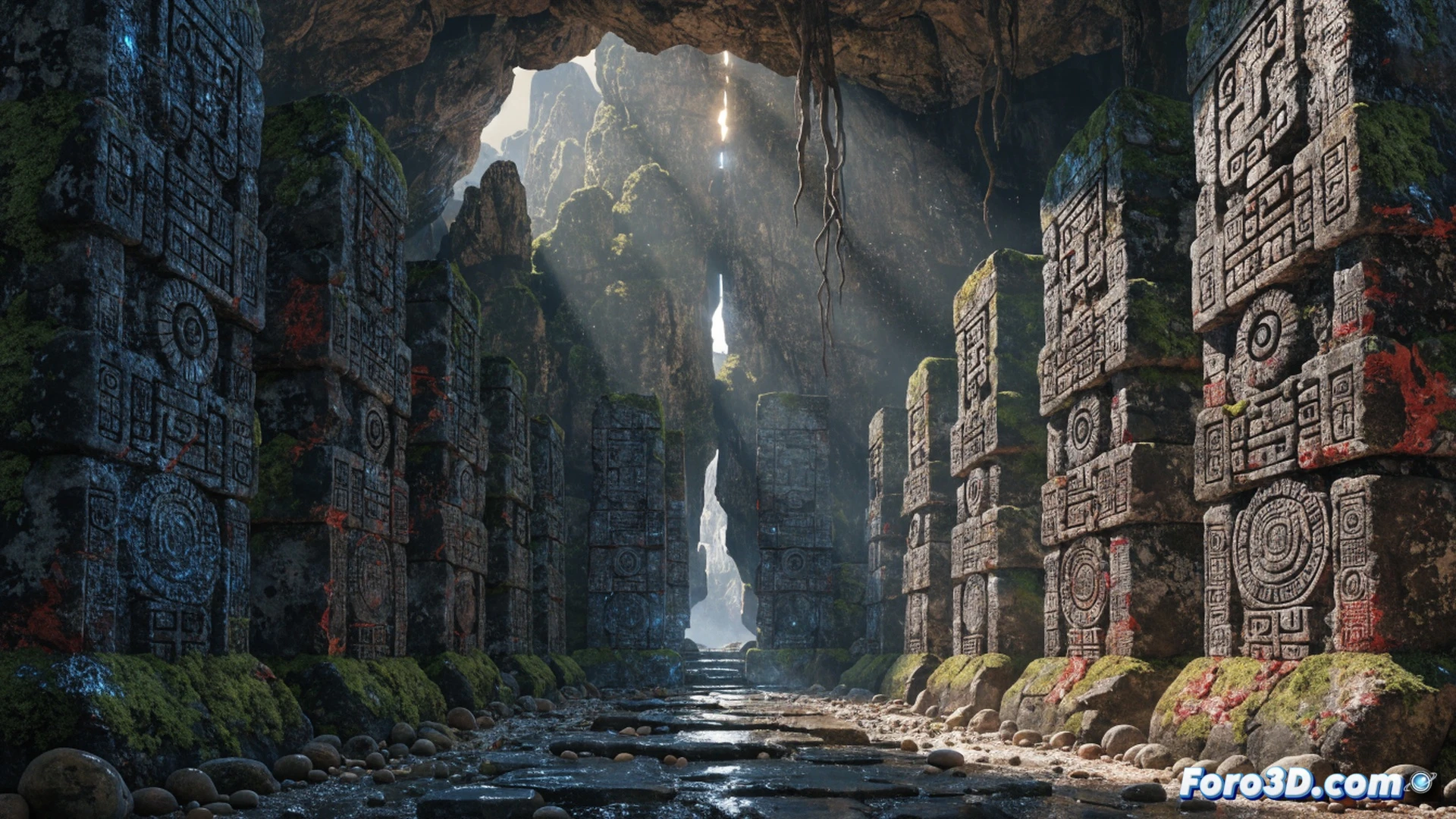
In Assassin's Creed Black Flag, Ubisoft hid 16 Mayan stelae scattered across the Caribbean. Solving their puzzles not only tests your patience but rewards you with the Mayan guardian outfit, a piece that repels bullets. For the player, this means exploring every island and following coordinates like those of Cat Island or Misteriosa transforms the navigation experience into something safer and more rewarding.
How level design rewards methodical exploration 🗺️
From a development standpoint, the stelae function as a non-linear reward system. Each one forces the player to interpret visual clues and map coordinates, encouraging active discovery rather than a direct marker. The final outfit, by nullifying projectile damage, alters ranged combat mechanics, allowing for more aggressive boarding. It's an example of how open-world design can integrate progression and exploration without relying on linear missions.
The outfit that makes you feel like a rubber cube 🧽
Sure, after hours climbing ruins and deciphering hieroglyphs, you put on the outfit and expect to be invincible. The reality is you still die if you fall off a cliff or if a guard stabs you in the back. But hey, at least bullets slide off you like you're made of Teflon. It's like carrying an umbrella in a hurricane: useful, but don't get too confident.