A new report reveals that governments and companies use information confusion tactics to disorient citizens. This directly affects trust in news and official data on health, taxes, and public services. Global disinformation erodes democracy by making reality seem unattainable. Protecting access to truthful information is key to exercising rights and making informed decisions.
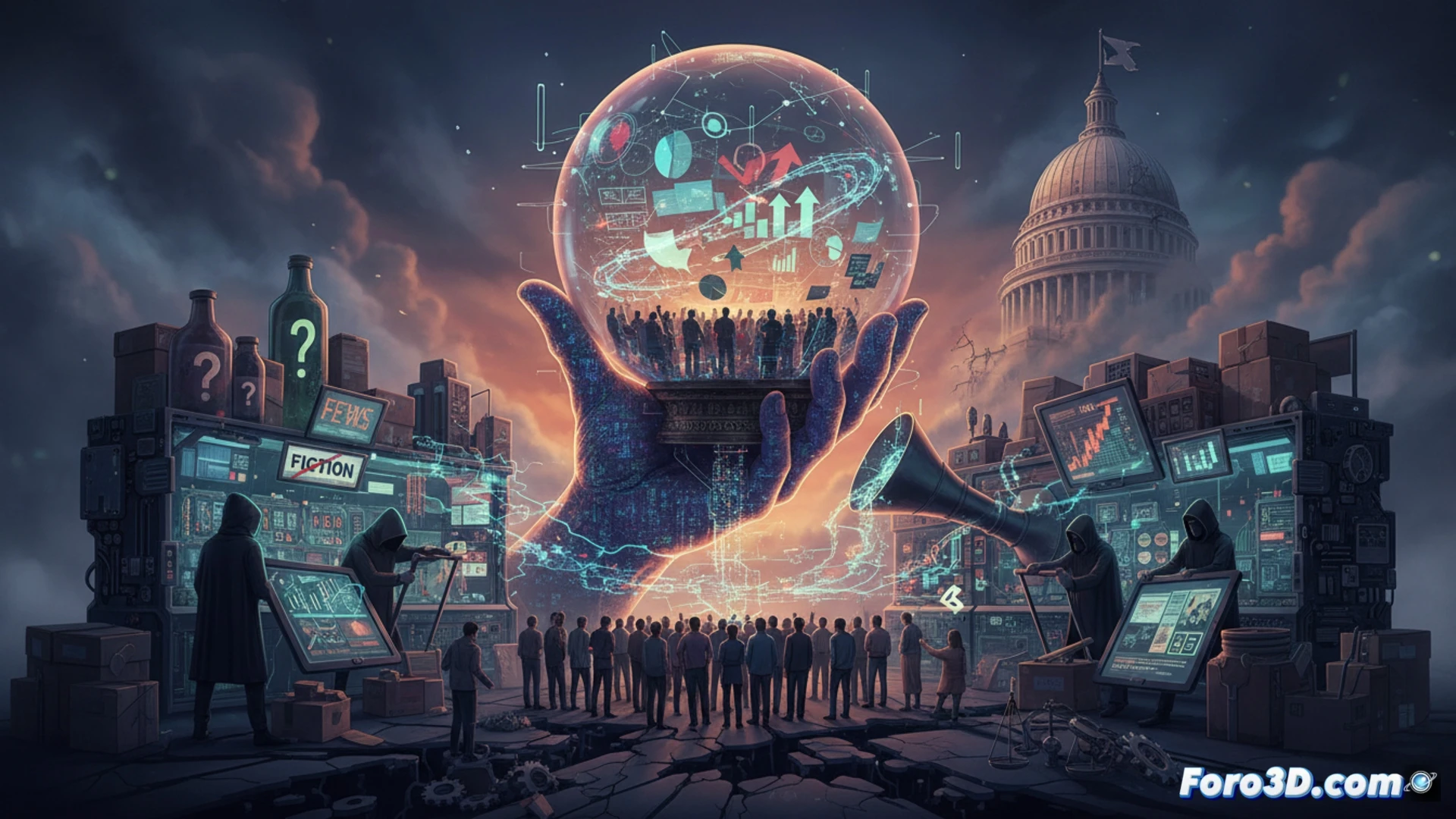
Algorithms that sow doubt: the business of digital confusion 🤖
Digital platforms and search engines prioritize content that generates engagement, not necessarily truthfulness. Recommendation systems amplify fake news because they provoke emotional reactions, which increases usage time. Techniques like astroturfing (creating artificial opinion) and impersonating official sources are common. For the average user, distinguishing a legitimate statement from a parody has become a detective task. Algorithmic transparency remains a pending issue.
The good news: at least conspiracies are more entertaining than taxes 😅
While governments debate whether ducks are drones or not, normal people just want to know if bread prices will go up. It's ironic that to find out the truth about a municipal procedure, you have to consult three different sources and an oracle. But hey, at least now when your uncle explains that the earth is flat, you can tell him it's a deep state issue, not geography. Confusion has never been so fun... until it's time to pay your tax return.