The European Union has approved a new loan for Ukraine, a necessary aid to sustain its wartime economy. However, this decision reopens an uncomfortable debate: while external borders are being financed, poverty, healthcare cuts, and housing shortages are growing within the bloc. Is it possible to maintain international solidarity without neglecting domestic social emergencies? 🤔
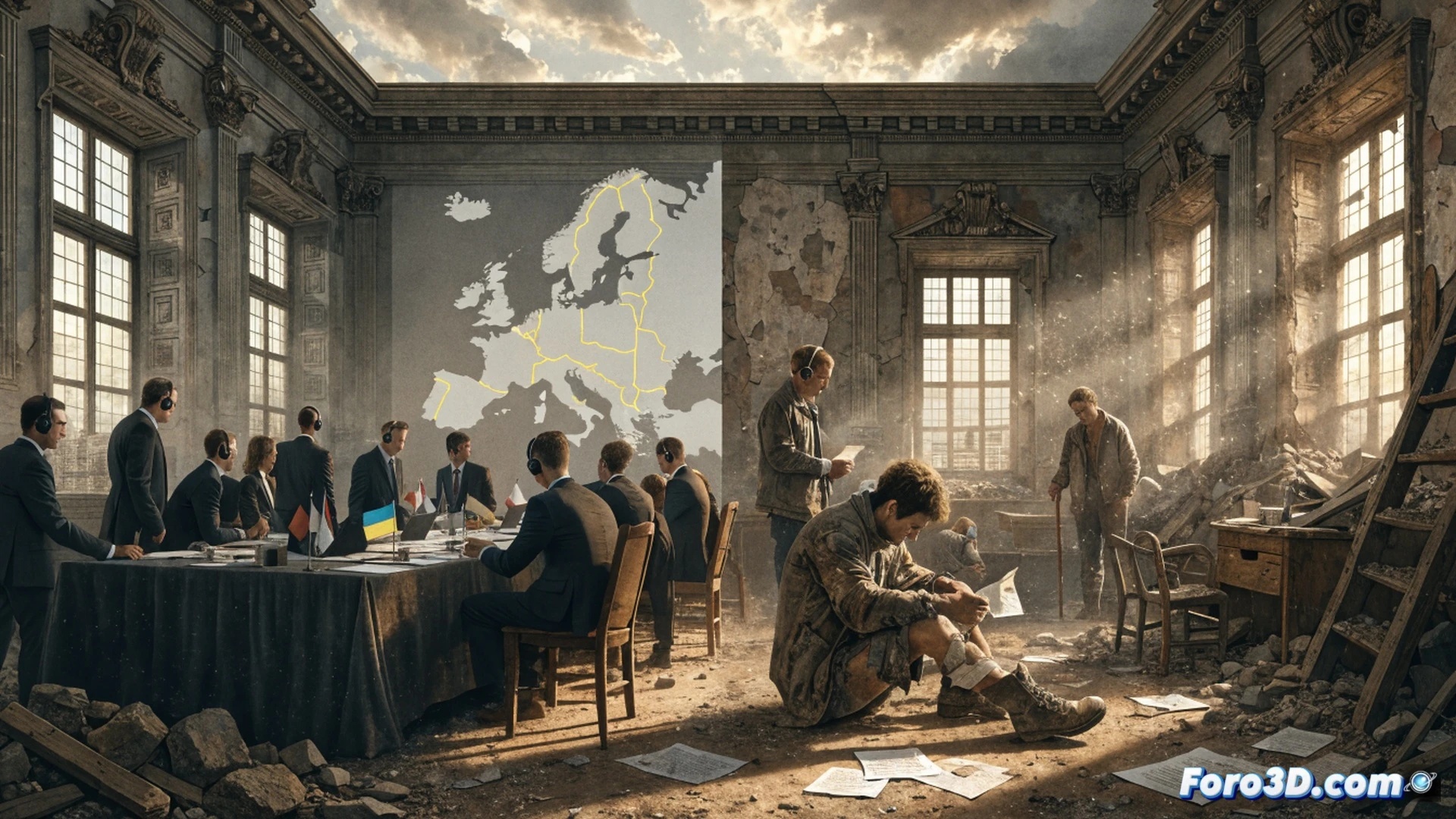
The technological dilemma between foreign investment and social spending ⚖️
The management of EU funds reveals a technical paradox. Financing mechanisms for external emergencies, such as the European Peace Facility, draw from the same budget that sustains public services. The lack of a parallel allocation system forces a choice between missiles and hospitals. A viable solution would be to create labeled budget items that prevent foreign aid from canceling out healthcare or education allocations, but Brussels does not seem willing to complicate its spreadsheets.
Brussels discovers its wallet has a hole 💸
The EU lends money to Ukraine with the generosity of a rich uncle who pays for his nephew's car gas while at home the kids eat stale bread for dinner. The funny thing is that bureaucrats are surprised when citizens ask if the European bank also lends money to fix their own roof. Perhaps the next rescue plan should include a first aid manual for Europe itself.