Actress Nastassja Kinski has asked director Wim Wenders to remove a scene from 1975 in which she, at just 13 years old, appears topless. Wenders has refused, although he admits he would not film something similar today. This case pits child protection against the integrity of past artistic works.
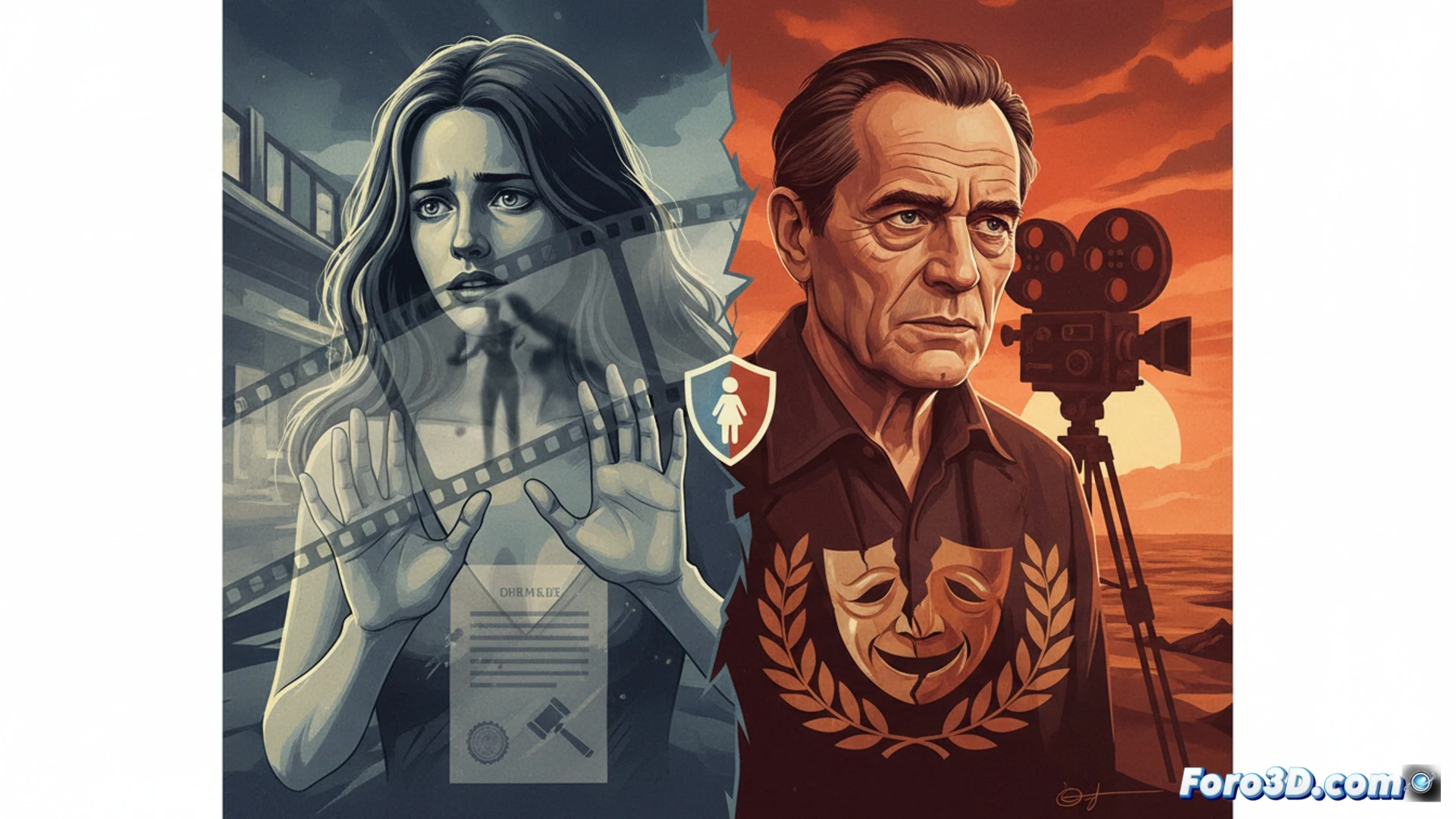
Cinema as a witness to its time and the dilemma of digital post-production 🎬
Current technology allows modifying frames with ease, but it raises an ethical dilemma. Altering a historical film means rewriting the past. Non-linear editing systems and visual effects can erase uncomfortable elements, but they do not resolve the social context of 1975, when regulations regarding minors were less strict. Wenders' decision prioritizes the original document over modern sensibilities.
Retroactive censorship, the new superpower of streaming platforms 🍿
If we apply today's logic to all classic cinema, we would have to pixelate half of Hollywood. Imagine streaming platforms hiring interns to blur nipples from 1970s films. It would be like a game of Where's Wally, but with censorship. In the end, all we achieve is that future viewers think that in 1975 everyone wore neoprene clothing even to bathe.