When a luthier carves a violin, they are not just shaping wood; they are manipulating a complex network of fibers and pores. The micro-structure of spruce or maple defines how the instrument vibrates. Each growth ring, each grain, influences the transmission of sound. Understanding this plant anatomy is key to building a violin that doesn't sound like an out-of-tune shoebox.
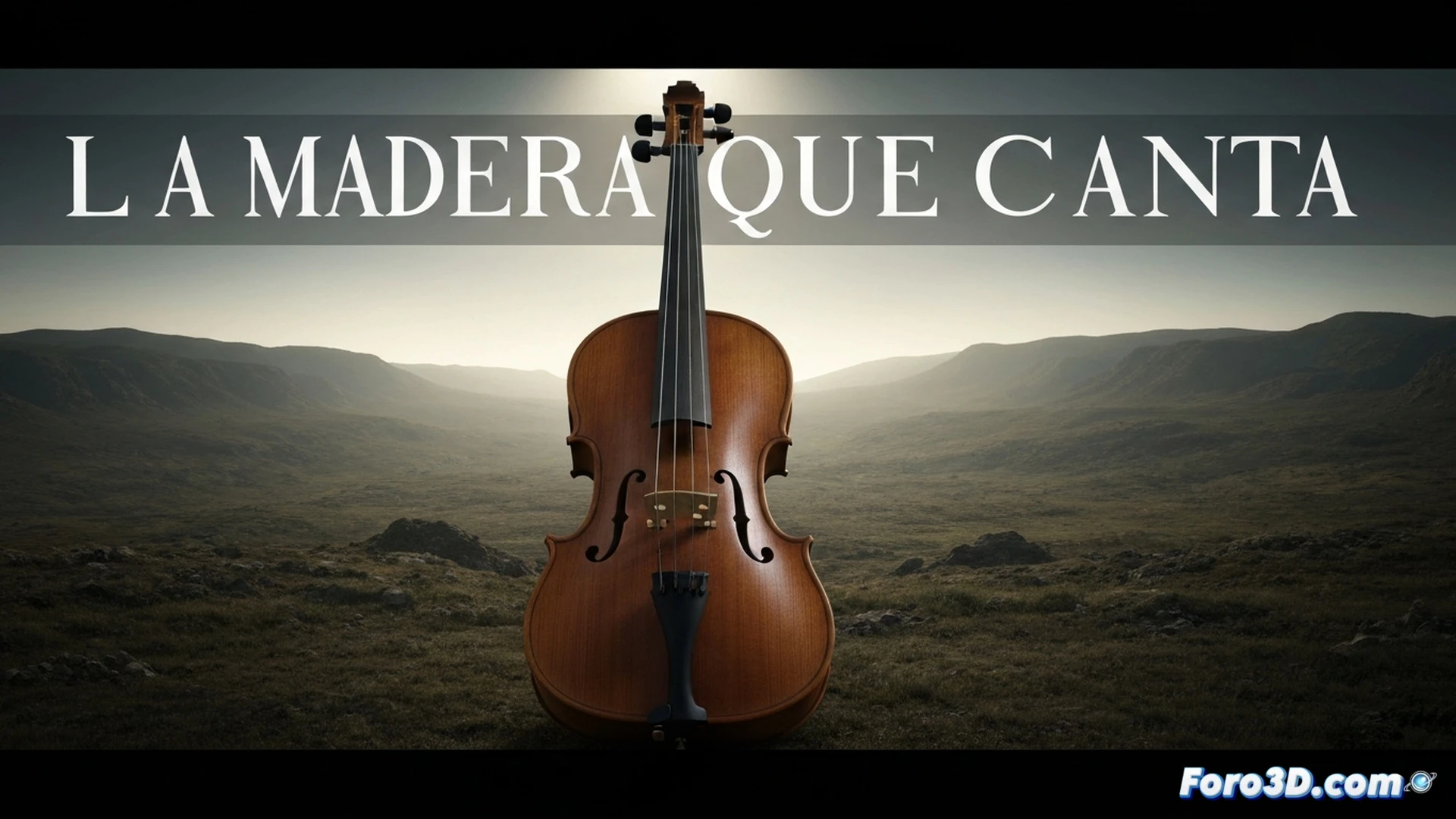
How Density and Anisotropy Define Acoustics 🎻
Quality violins use wood with a specific density and precise fiber orientation. The anisotropy of the material causes the speed of sound to vary depending on the direction. Luthiers measure radial and tangential stiffness to calculate the thickness of the plates. A micron error in the soundboard can turn a Stradivarius into an instrument only fit for wall decoration. Micro-porosity also affects the damping of high frequencies.
The Drama of Cellulose When the Violinist Presses 🎶
Imagine cellulose and lignin in a constant fight. When the bow rubs the strings, the wood fibers twist like a teenager at their first concert. If the structure is too rigid, the sound comes out dry, like a bad joke. If it is too soft, the violin sounds like a wet pillow. In the end, the wood just wants to be left to vibrate in peace, but the violinist insists on taking it through impossible scales.