The promise of artificial intelligence was to free us from repetitive tasks so we could dedicate time to leisure or creativity. However, reality shows a different side: companies use AI to increase the workload, demanding more output within the same hours. The time saved does not translate into rest, but into new demands, evidencing that productivity remains the only goal, regardless of employee well-being.
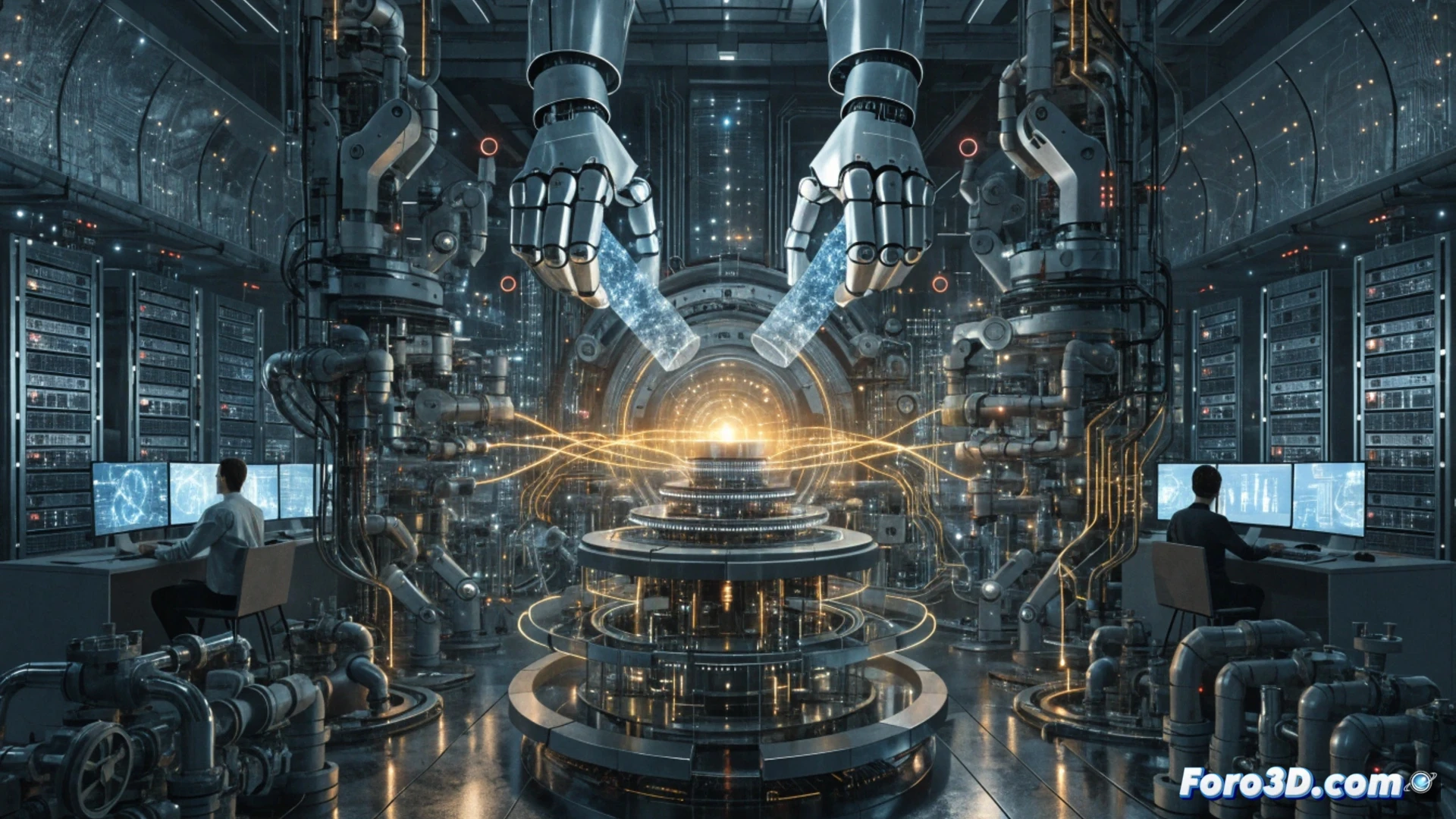
How Automation Hides a Performance Trap 🤖
The implementation of virtual assistants and automation tools allows organizations to monitor every minute of the worker, demanding immediate responses and constant multitasking. Far from reducing the workday, AI fragments attention and eliminates the downtime that previously served to disconnect. The result is a more intense workday, where every second must be productive. Without regulation that forces efficiency to translate into reduced hours, technology only deepens exploitation.
The Robot That Asks You to Work More So It Doesn't Feel Lonely 😅
It turns out the future of work is not a nap while robots do everything, but a race to see who can reply to more emails before coffee. Now, instead of congratulating you for finishing early, your boss asks you: and why not use the extra time to take the prompt engineering course. AI doesn't rest, but neither do you. So you know: if you see a free robot, run, because it's going to make you work twice as hard.