The Supreme Court eliminated protections for Haitians and Syrians, exposing a brutal contradiction: a system that speaks of human rights while deporting people to countries in crisis. The security discourse clashes with real indifference. Urgent reform of immigration laws is needed, prioritizing life and evaluating each case with human criteria, not political ones.
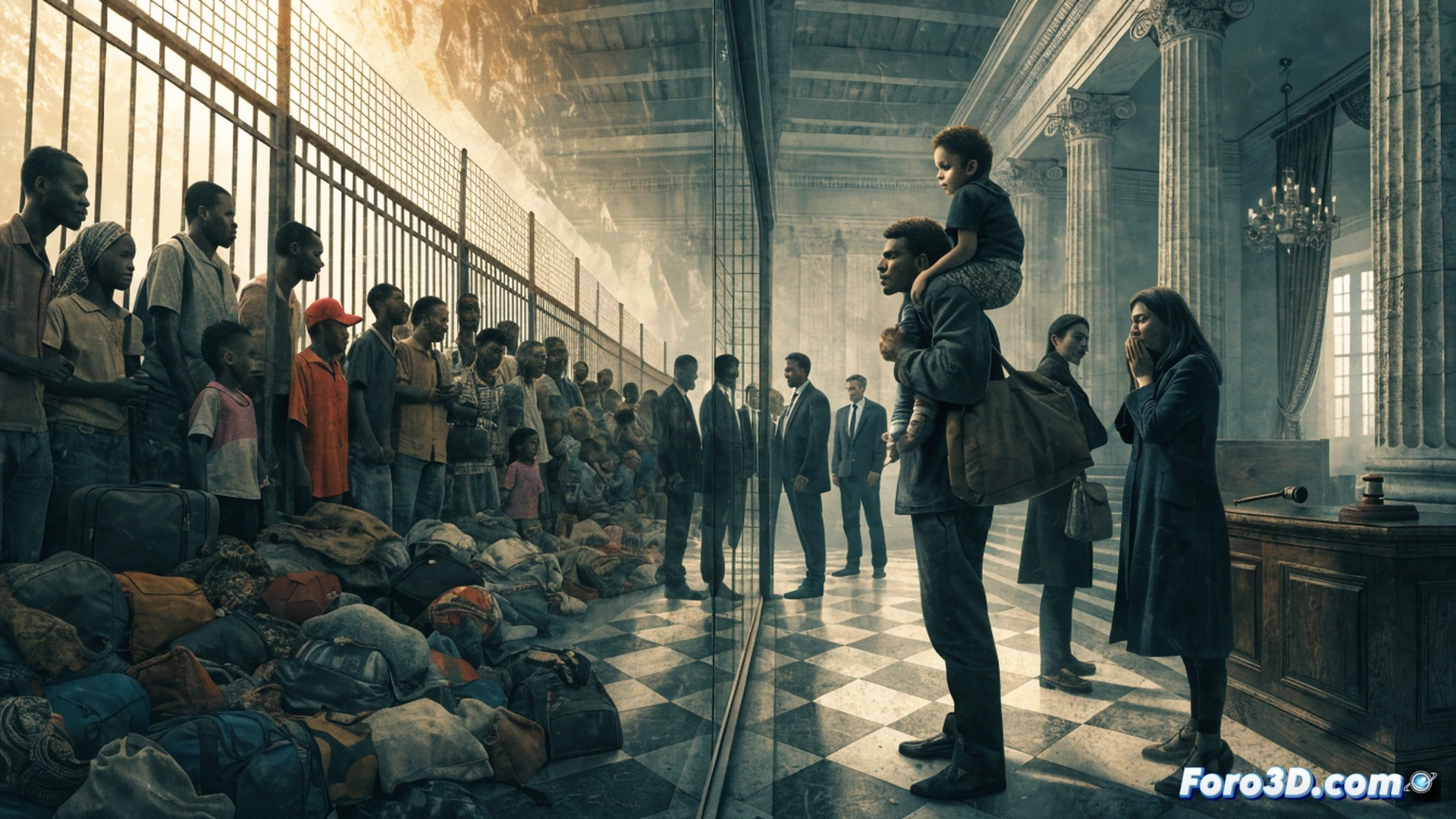
Technology also fails when managing migratory chaos 🤖
Current migration management systems rely on opaque algorithms and outdated databases that classify people by origin, not by real risk. They fail to cross-reference information on armed conflicts or natural disasters. A technical solution would be to implement AI trained with updated humanitarian data, evaluating each request in seconds and cross-referencing real-time violence alerts. But governments prefer slow bureaucracy.
The drama of being deported to a country that no longer exists 🌍
Imagine being deported to your country, but you arrive and see your home is a crater, your boss has fled, and the only available job is as a debris collector. The Supreme Court says it's for your safety. Sure, because nothing is safer than returning to a war zone with a one-way plane ticket and a welcome form. At least the trip is free.