Every year, hundreds of thousands of managers retire in Spain, but Generation Z doesn't want their jobs. 52% avoid promotions due to stress and low pay, while artificial intelligence reduces opportunities. Companies lose experience, and young people prioritize stability over power. The model of climbing through responsibility no longer appeals. 😔
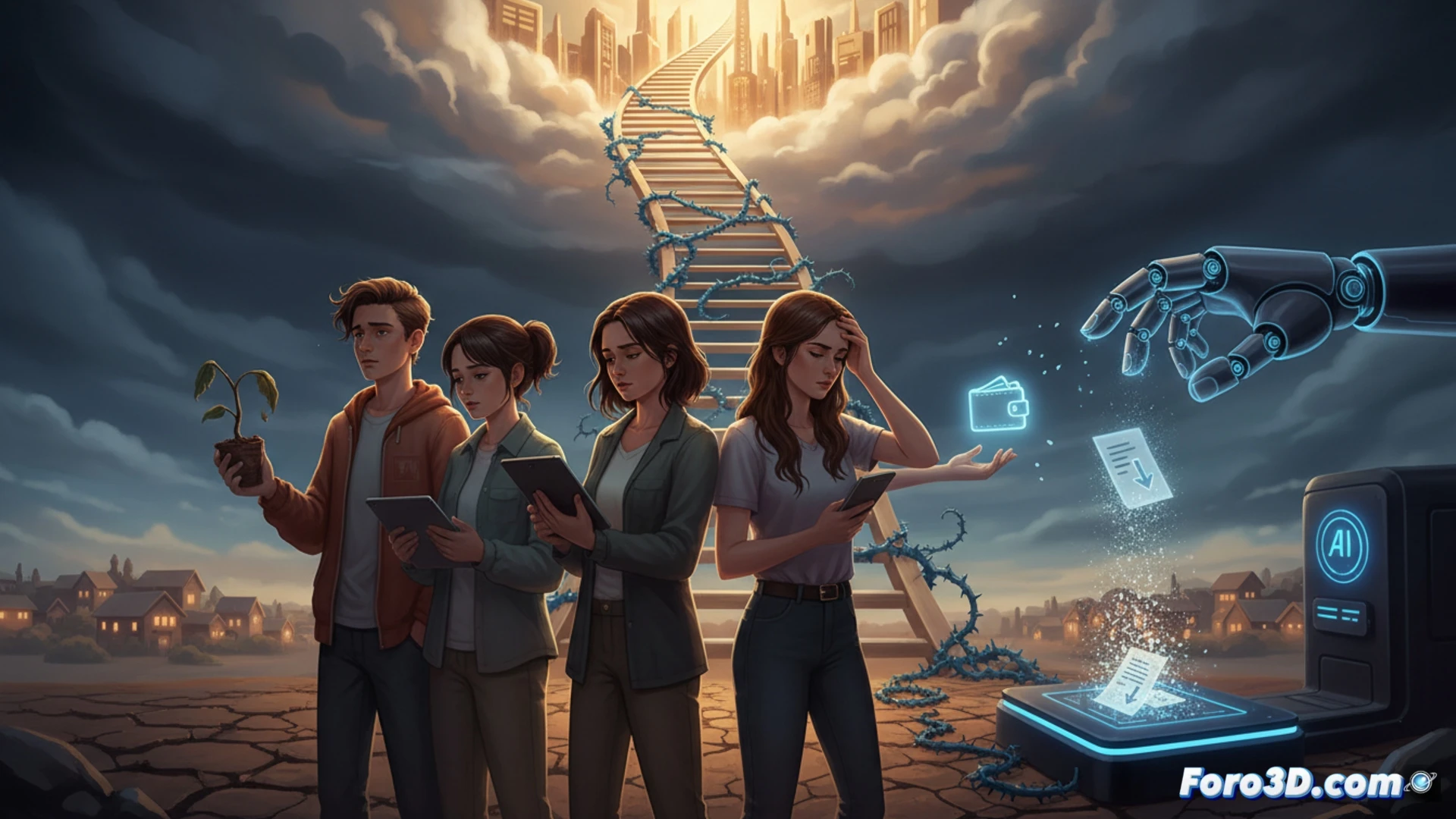
AI accelerates management: fewer bosses, more algorithms 🤖
Artificial intelligence automates supervisory tasks that previously required middle managers. Predictive analysis systems and management platforms replace routine decision-making. Tech companies reduce hierarchical layers, prioritizing self-managed teams. For young people, this means fewer promotion offers and more pressure to specialize in skills AI doesn't cover, such as creativity or human leadership.
Party host bosses: the new promotion nobody wants 🥴
Now being a boss is like being the party organizer: more work, less pay, and everyone hates you if the ice runs out. Young people prefer a fixed schedule to a business card with a title. The irony is that companies desperately seek people who want to be in charge, but only find folks willing to lead from the comfort of their couch's remote control.