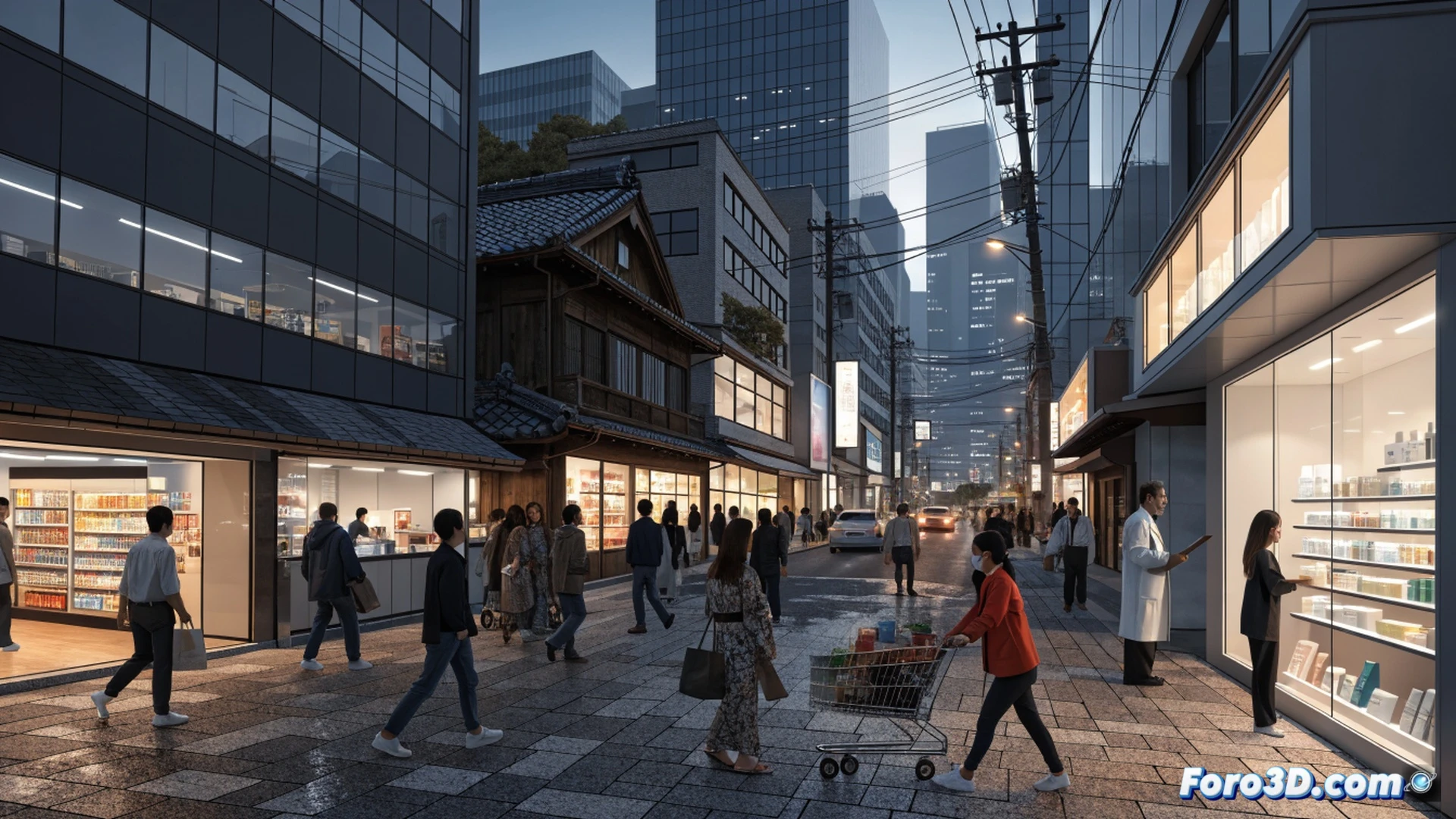
Retail sales in Japan continue to rise for the third consecutive month, driven by wage increases and government subsidies. In February, the indicator rose 1.9% compared to the previous month, with cars, medications, and cosmetics leading the growth. For citizens, this translates into greater purchasing power, allowing for more comfortable spending on essential and personal care products.
The role of automation and AI in the recovery of consumption 🚀
The rebound in consumption coincides with the adoption of AI-based inventory management systems in retail chains such as Seven & i Holdings and Aeon. These tools predict demand for hygiene and pharmaceutical products with precision, reducing shortages. Additionally, delivery robots in Tokyo and Osaka streamline last-mile deliveries, a key factor in sustaining the increase in cosmetics and medication sales. Technology allows stores to adjust prices and promotions in real-time, optimizing margins without relying on aggressive discounts.
Meanwhile, the yen keeps doing pirouettes on a tightrope 😅
The government distributes subsidies and wages rise, but the yen remains as steady as jelly in an earthquake. Citizens spend more on creams and painkillers, perhaps to ease the pain of watching their currency plummet against the dollar. Sure, while foreign tourists pack half of Japan in their suitcases, locals console themselves by buying cosmetics: if money is worth less, at least let the skin shine like the yen does not.