The Japanese government plans to include almost all annual spending in the initial budget, eliminating additional packages. Minister Katayama sells it as the largest budget reform since 1945. However, this centralization reduces the opposition's ability to modify allocations and diminishes parliamentary control over the destination of taxes.
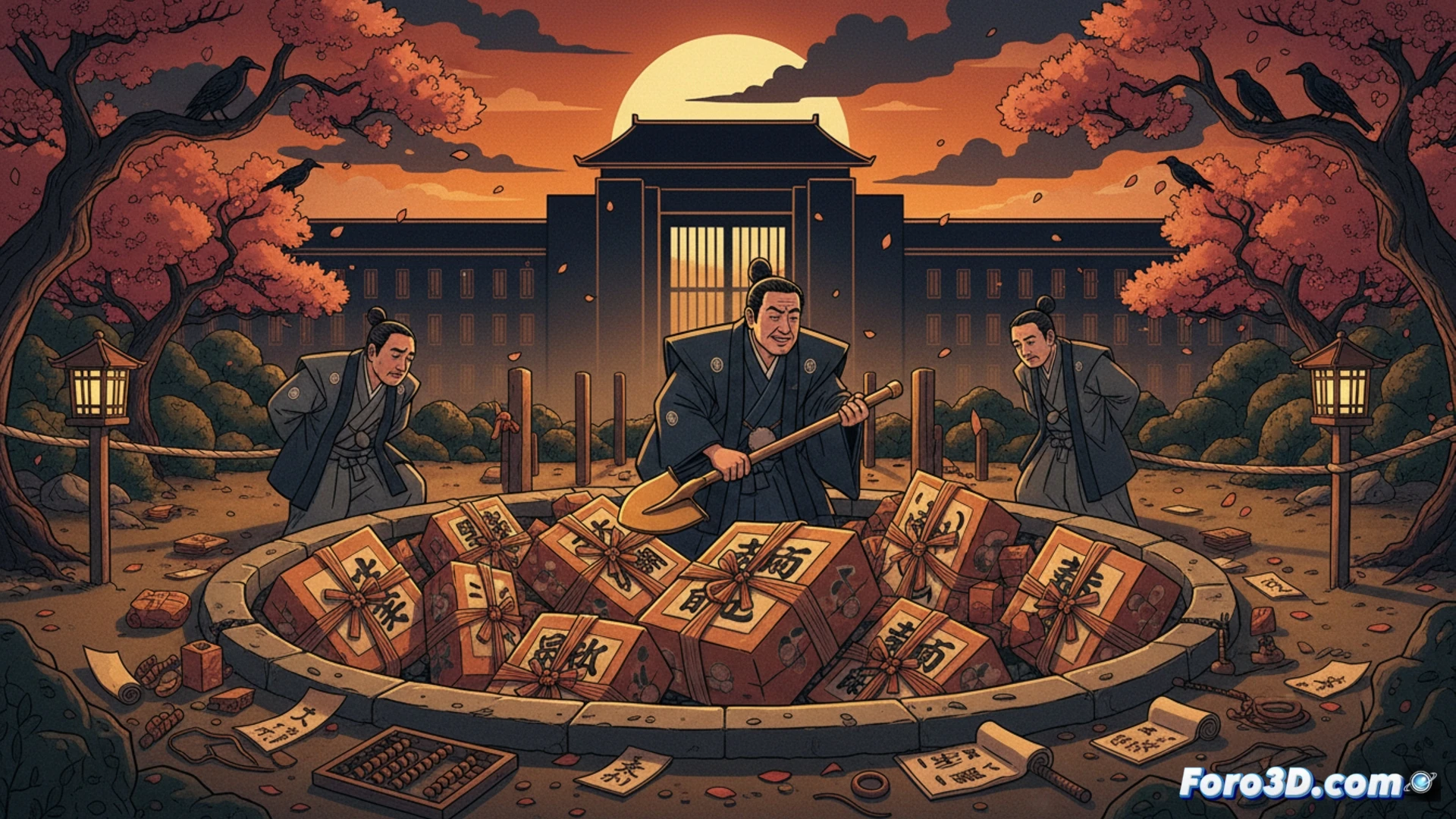
The spending algorithm: centralization that obscures fiscal transparency 📊
Technically, by merging all spending into a single initial budget, the executive can decide allocations without needing to justify them later in extraordinary sessions. The additional packages served as a safety valve for emergencies or negotiations with other parties. By eliminating them, the government in power concentrates decision-making power in offices, not in parliament. The promised efficiency is, in reality, a shield against public scrutiny.
Katayama: office efficiency, living room opacity 🏢
The minister sells the reform as if it were an app that organizes the desk: everything in its place, no loose files. But what he gains is absolute control over citizens' money. Now, when a crisis arises, instead of an extra package debated in parliament, we will receive a press release. Budgetary democracy is reduced to a click on a spreadsheet.