The Italian government has approved decrees to align with European regulations on artificial intelligence. The measure prohibits the use of automated systems in labor decisions such as layoffs and hiring, and limits their application in security and justice, subjecting them to judicial oversight. It sounds like a victory for labor rights, but the fine print raises doubts.
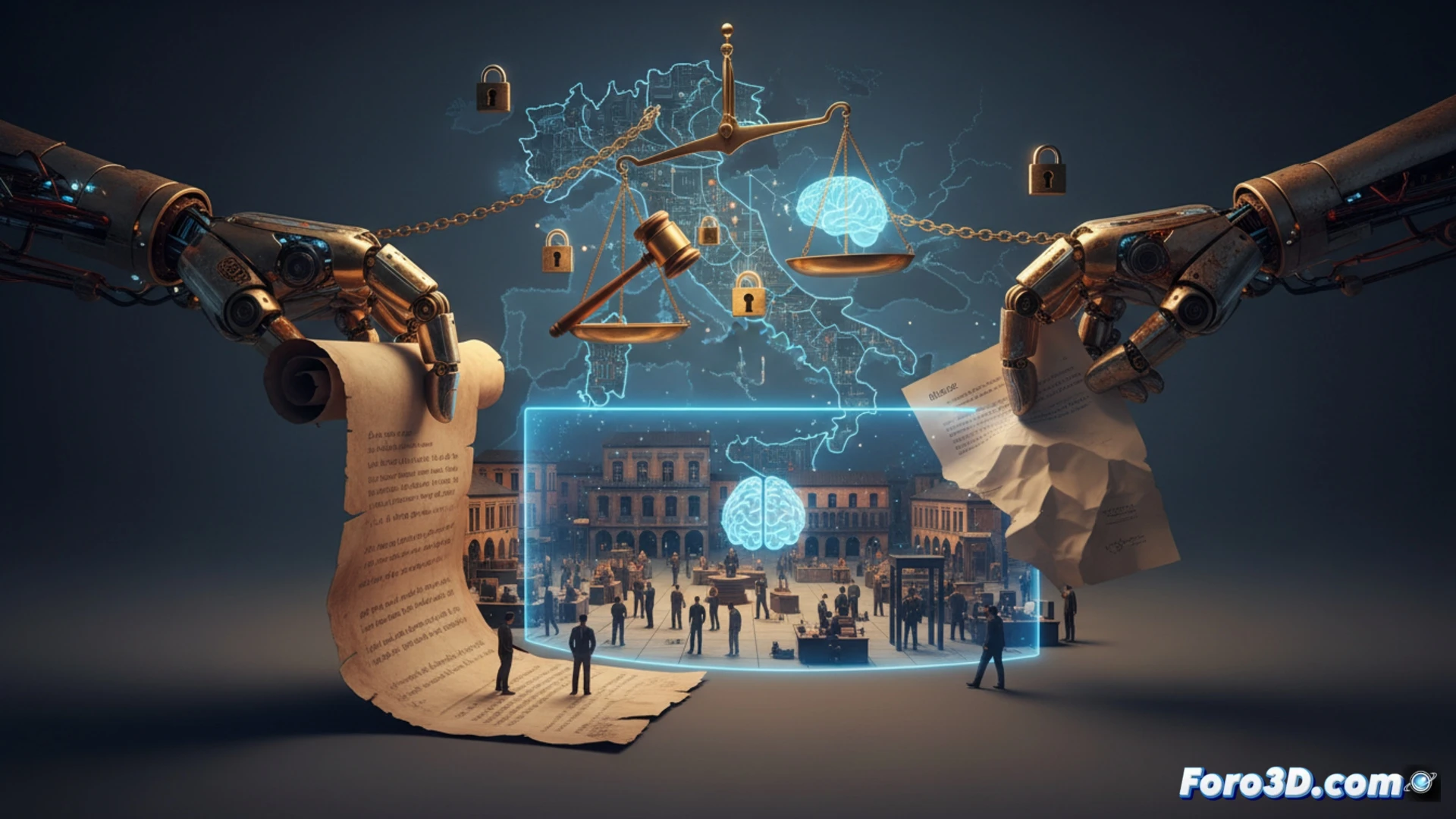
Algorithms in the Shadows: The Legal Loophole That Allows It 🕵️
The technical key lies in the definition of what constitutes AI. Companies can redesign their systems as support tools, rather than autonomous decisions, bypassing the prohibition. A resume filter based on simple statistical rules, without an AI label, remains legal. In security, predictive video surveillance systems are camouflaged as anonymous data analysis, while corporate confidentiality clauses protect the algorithm's details.
The Old Switcheroo: Let's Call It a Secret Recipe 🧠
So the law prohibits using AI to fire someone, but nothing prevents your boss from firing you based on a report generated by a system that isn't called AI, but rather a human resources optimization tool. It's like banning hamburgers but allowing ground meat discs between two buns. Authorities, for their part, will be able to monitor entire neighborhoods with crime prediction software, as long as they don't acknowledge it as such. Legal magic.