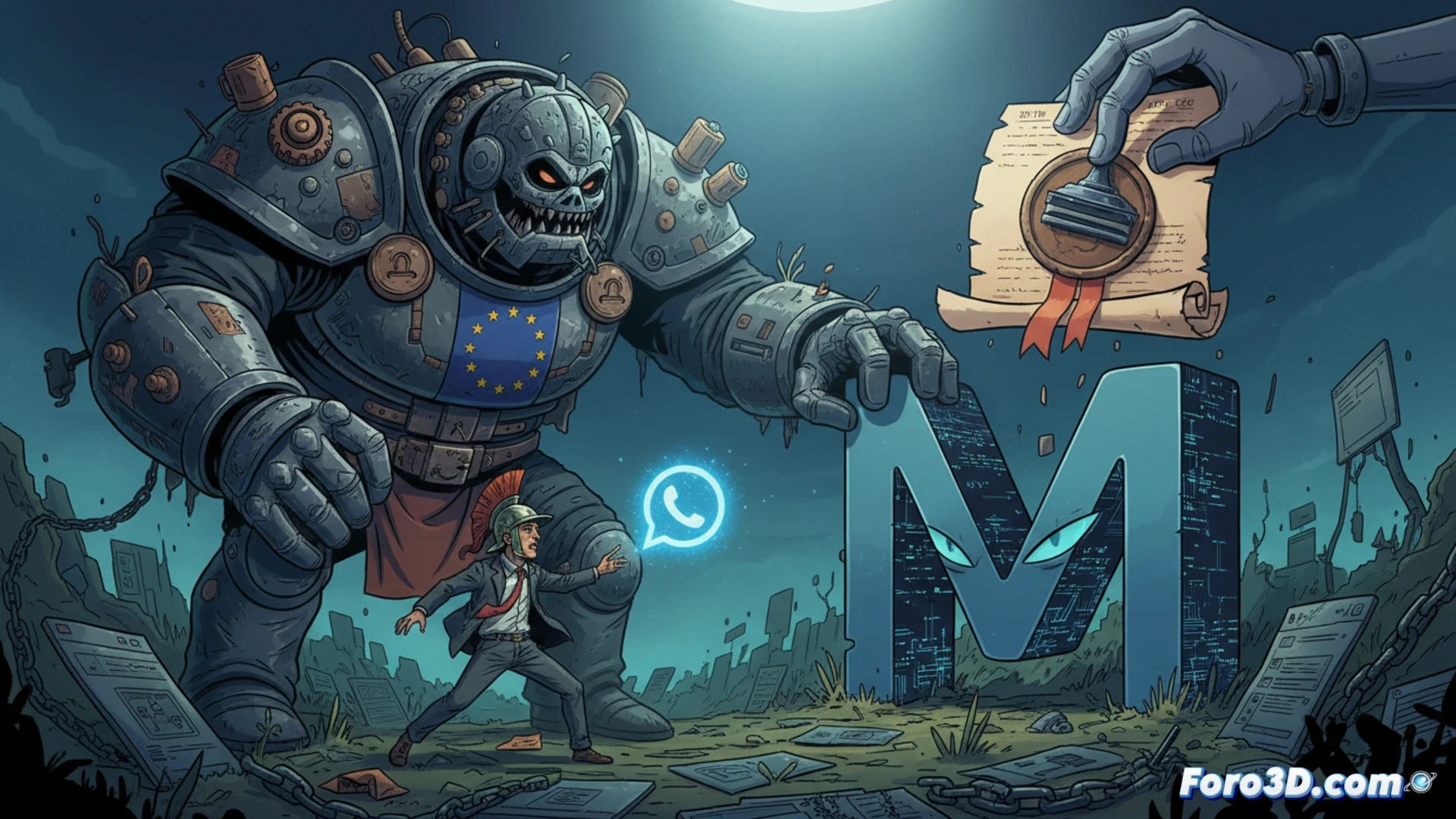
Italy has closed its investigation into Meta for alleged abuse of dominance by integrating artificial intelligence into WhatsApp. The official reason is that the European Union is taking over the case at a continental level. However, the underlying reality reveals that it is not a lack of merit, but a strategic decision: centralizing bargaining power against big tech companies. The citizen ends up trapped in a judicial limbo that could last years, while Meta consolidates its dominance without swift and effective sanctions.
The technical cost of waiting for Brussels ⏳
From a technical standpoint, integrating AI into WhatsApp involves processing user data to train models, which raises risks regarding privacy and algorithmic biases. The EU prefers a unified approach, but its procedures are slow and complex. Meanwhile, Meta continues to roll out features without immediate restrictions. Any financial penalties that eventually arrive will be treated as an operational expense, without forcing a change in the business model. The end user will see no direct compensation or improvements in their privacy.
Fines that don't hurt, but bureaucracy does 💸
In the end, the Italian closure is a triumph of form over substance: it protects jurisdictional competition, not the consumer. While European bureaucrats argue over who has the bigger folder, Meta is rubbing its hands together. Million-dollar fines are for them like paying for coffee: annoying, but bearable. The citizen, meanwhile, waits sitting in front of their WhatsApp, wondering if their chat with the family group will be used to train an AI that will one day recommend they buy bread.