Apple introduced iOS 27 without major visual changes, focusing on performance and stability. The novelty is a smarter Siri thanks to Google Gemini, but with local processing to avoid sending data to the cloud. Privacy is the hook, although the real goal is to maintain iPhone sales. Improving Siri is not a revolution, it is an obligation that the company has delayed for years.
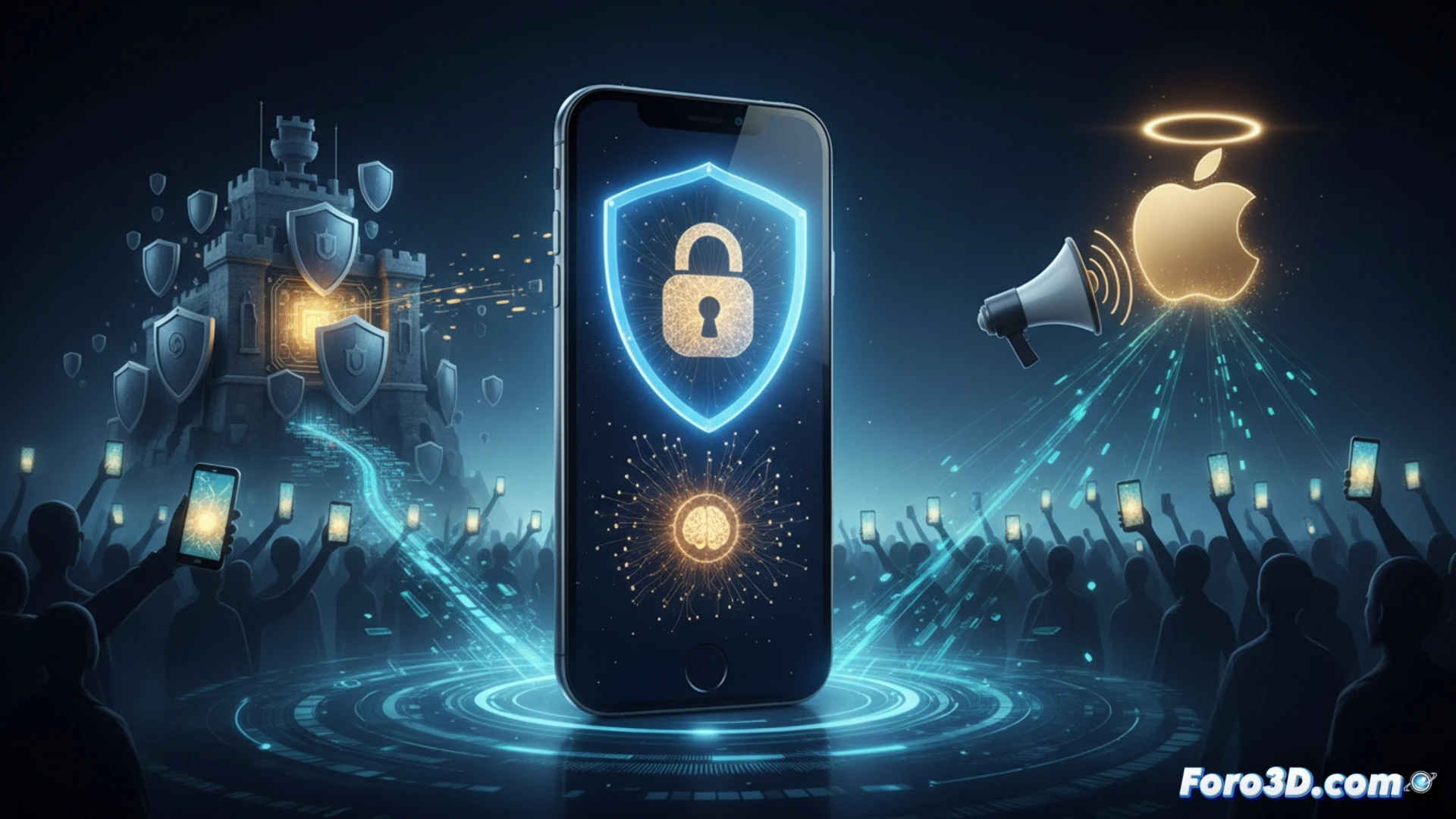
Local processing: smart for privacy, limited for features 🔒
Siri's local AI avoids sending data to external servers, reducing the risk of leaks. But that same limitation prevents the assistant from performing complex tasks like cloud-based assistants. Apple prioritizes privacy, but also avoids paying for server infrastructure. The mix is calculated, not innocent. iOS 27 will be more stable, yes, but the usual bugs will still be there. What changes is not the system, it's the narrative.
Siri learns new tricks, but still doesn't know where you left your keys 🗝️
Users pay a fortune for an assistant that could barely set alarms. Now, with local AI, it might work for basic questions. But don't expect miracles: if you ask it to summarize a book, it will probably tell you to search on Google. Apple sells privacy as if it were a superpower, but the reality is that its assistant is still the shy kid in class. Technology advances, but faith in Cupertino gets updated every September.