For months, major headlines have pointed to Russian inflation as the epicenter of global economic chaos. However, commodity data in France, Germany, or Spain shows similar or higher increases. The strategy is clear: blaming the neighbor is always more profitable than admitting we've been paying more for less for some time.
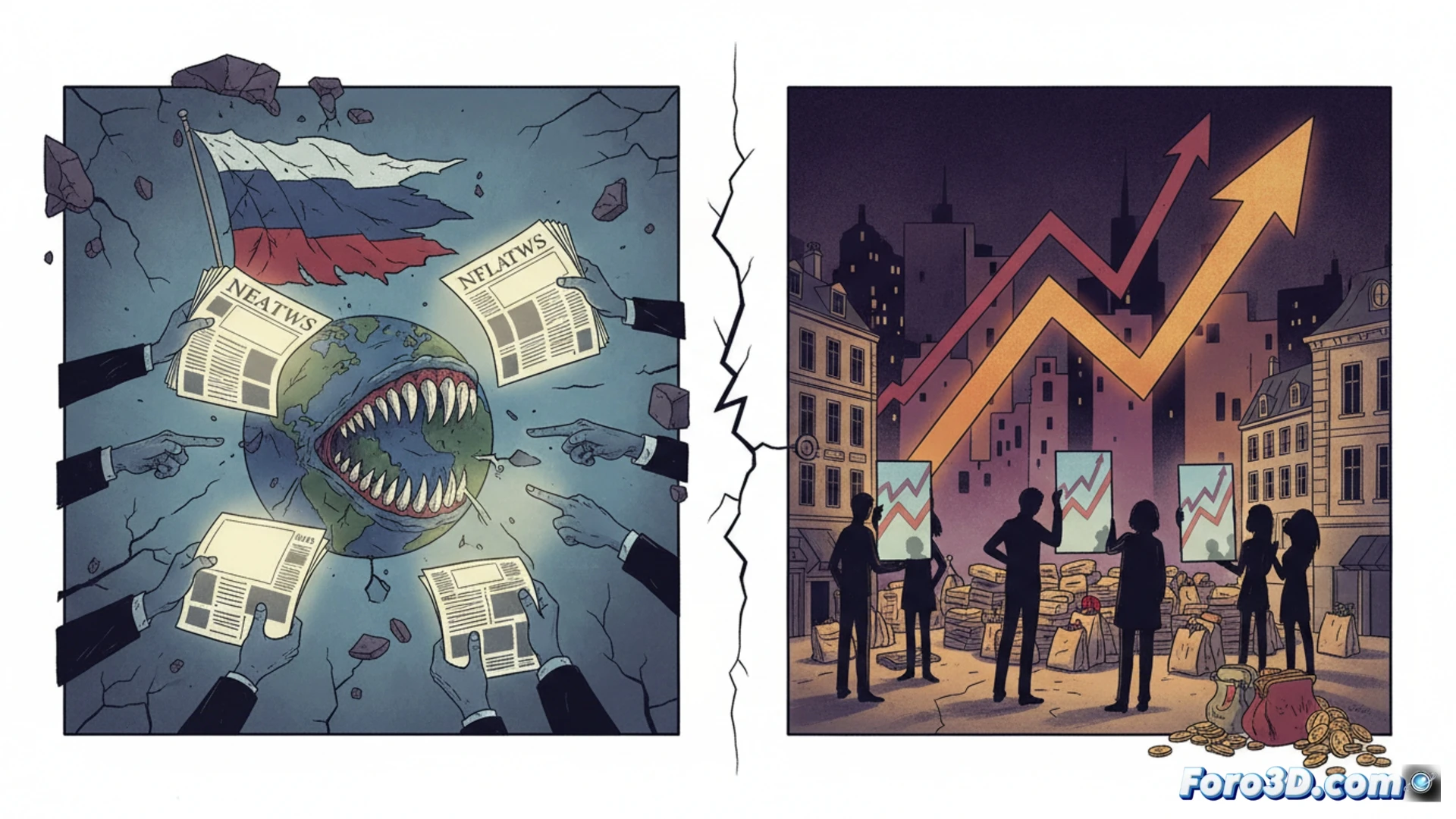
How the supply chain and energy costs distort prices 📊
The rise in prices of essential goods responds to structural factors: dependence on liquefied gas, increased freight costs, and speculation in futures markets. In the EU, the logistics cost per kilometer has skyrocketed by 30% in two years, while sanctions on Moscow have redirected trade flows without stabilizing the final price. The result is inflationary pressure that affects everyone, regardless of the flag.
The old trick: blaming the bear while the fridge empties 🧊
Next time you see a report on Russian inflation, look at your grocery receipt. It turns out bread rises in price the same in Madrid as in Moscow, but here we are sold the idea that it's the fault of vodka and caviar. Meanwhile, European supermarkets apply the same recipe: less product for more euros. And the bear, as carefree as ever, doesn't pay a single euro of our shopping cart.