The instability of a deep-water port, whether due to geopolitical conflict, a strategic blockade, or a natural disaster, is not a local event. It is a seismic earthquake in the global supply chain. When a deep-water terminal, designed to handle ultra-class vessels, is paralyzed, the ripple effect spreads instantly from the port of origin to factories in Detroit, warehouses in Rotterdam, and consumers in São Paulo. This analysis breaks down the mechanics of this crisis.
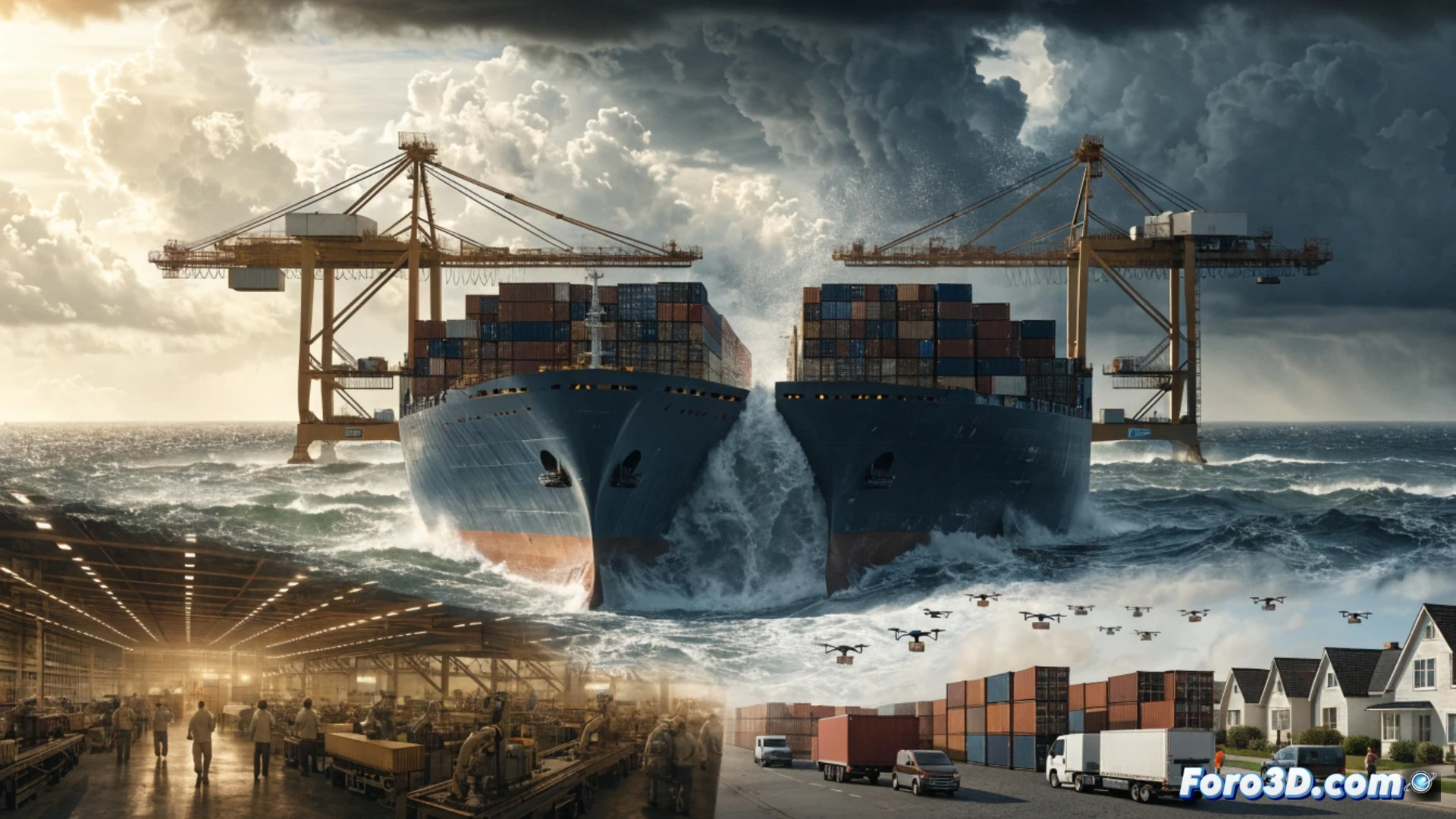
3D visualization and real-time bottleneck simulation 🚢
Using 3D models of the port and its bathymetry, we can simulate the impact of instability. The first step is to map alternative routes; a dynamic visualization shows how container ships are diverted to secondary ports, overloading their cranes and storage yards. The simulation calculates the increase in nautical distance, extra fuel consumption, and, critically, waiting time. This model reveals new bottlenecks: previously efficient logistics nodes collapse under the diverted volume. The 3D tool allows planners to identify these failure points before they occur, showing in real-time the accumulation of inventory and the pressure on critical materials such as semiconductors or rare earths.
Geopolitical dependence and the fragility of extreme efficiency 🌍
The instability of a deep-water port exposes the fragility of just-in-time efficiency. The 3D visualization shows not just ships; it shows dependencies. By overlaying data on terminal ownership, flags of registry, and trade agreements, the map reveals how a conflict in a strait can immobilize an allied port, or how the nationalization of a terminal can cut off the supply of a critical mineral. The lesson is harsh: the global supply chain is not a steel network, but a glass network, where the instability of a single deep-water port is the crack that can break the entire system.
How can dependence on a single deep-water port in a geopolitically unstable region expose global supply chains to systemic collapse, and what resilience alternatives are economic powers developing to mitigate this risk?
(PS: simulating technological dependence is easy; the hard part is not depending on coffee while doing it)