A large fire has burned down two industrial warehouses in the Binissalem industrial estate, leaving behind smoldering debris and a trail of questions. The flames, which spread rapidly, affected buildings where products were likely stored or work activity was taking place. For local residents and workers, this translates into potential job losses, supply delays, and an evident risk to local safety and the environment. The community now faces a landscape of economic uncertainty.
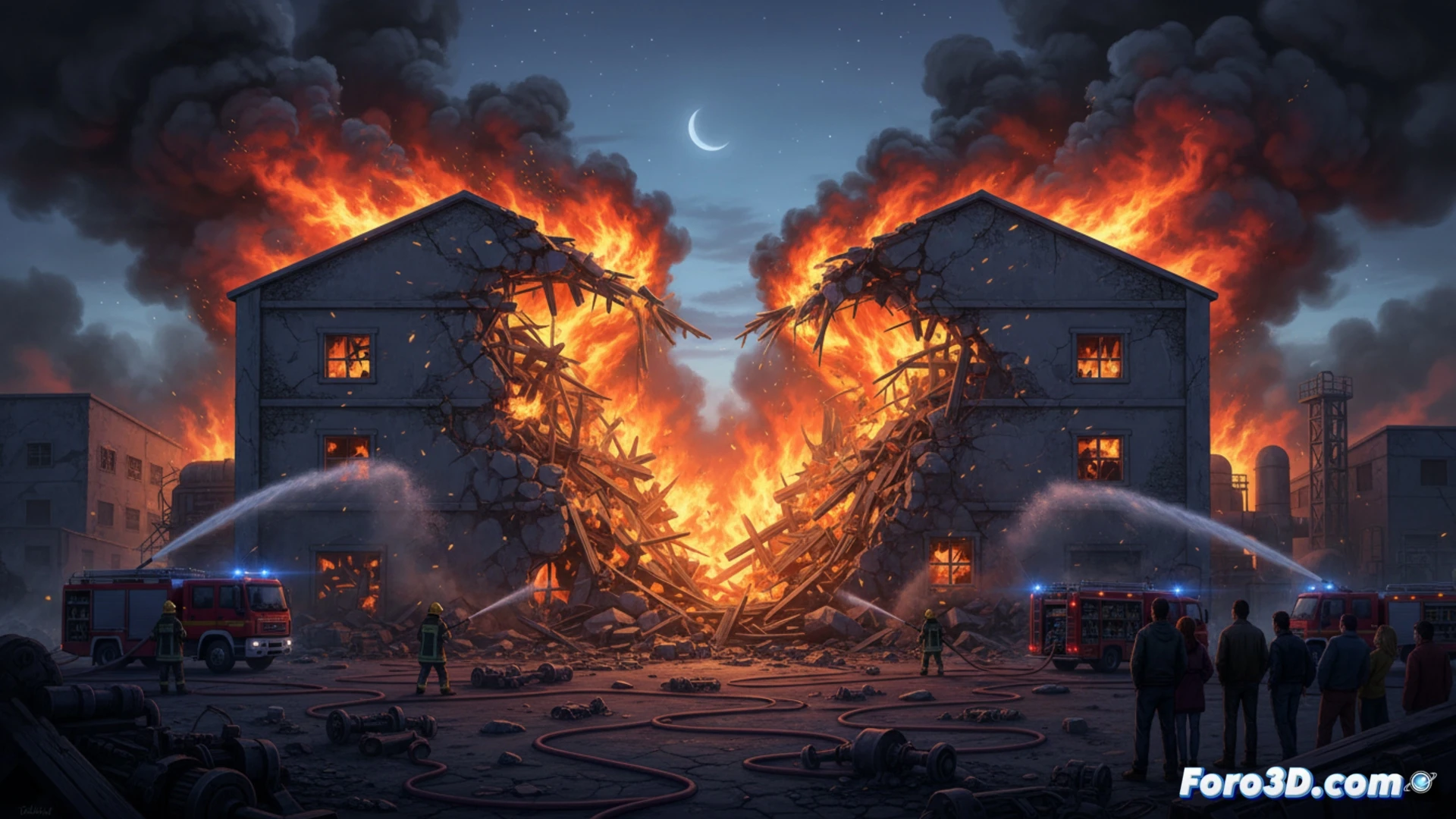
The logistics of prevention against industrial fire 🔥
Beyond the human drama, the incident exposes shortcomings in the passive safety systems of the warehouses. The rapid spread suggests a lack of compartmentalization or fire-resistant materials in the structure, a common problem in older industrial estates. To minimize these risks, current technology offers solutions such as real-time temperature sensors, cloud-connected automatic sprinklers, and data analysis to predict hot spots. However, their implementation requires investment that many SMEs cannot afford, leaving protection in the hands of basic protocols.
The smoke clears, but the paperwork remains 📄
While firefighters roll up hoses and experts rub their hands together, the warehouse owners are already lining up at the insurance company. Because, let's be honest, fire is fast, but the paperwork to claim insurance is a slow, bureaucratic burn that can last months. The only thing blacker than yesterday's smoke is the horizon of procedures ahead. At least the neighbors will have something to talk about at the bar for the next few weeks, as they wait for the smell of burning to disappear.