The Takaichi government plans to apply a 1% tax on food starting in April, instead of the 0% promised during the campaign. The measure aims to reduce the time needed to update cash register systems, accelerating their implementation. For citizens, this translates into a small increase in basic products, directly affecting the family budget and prioritizing speed over total economic relief.
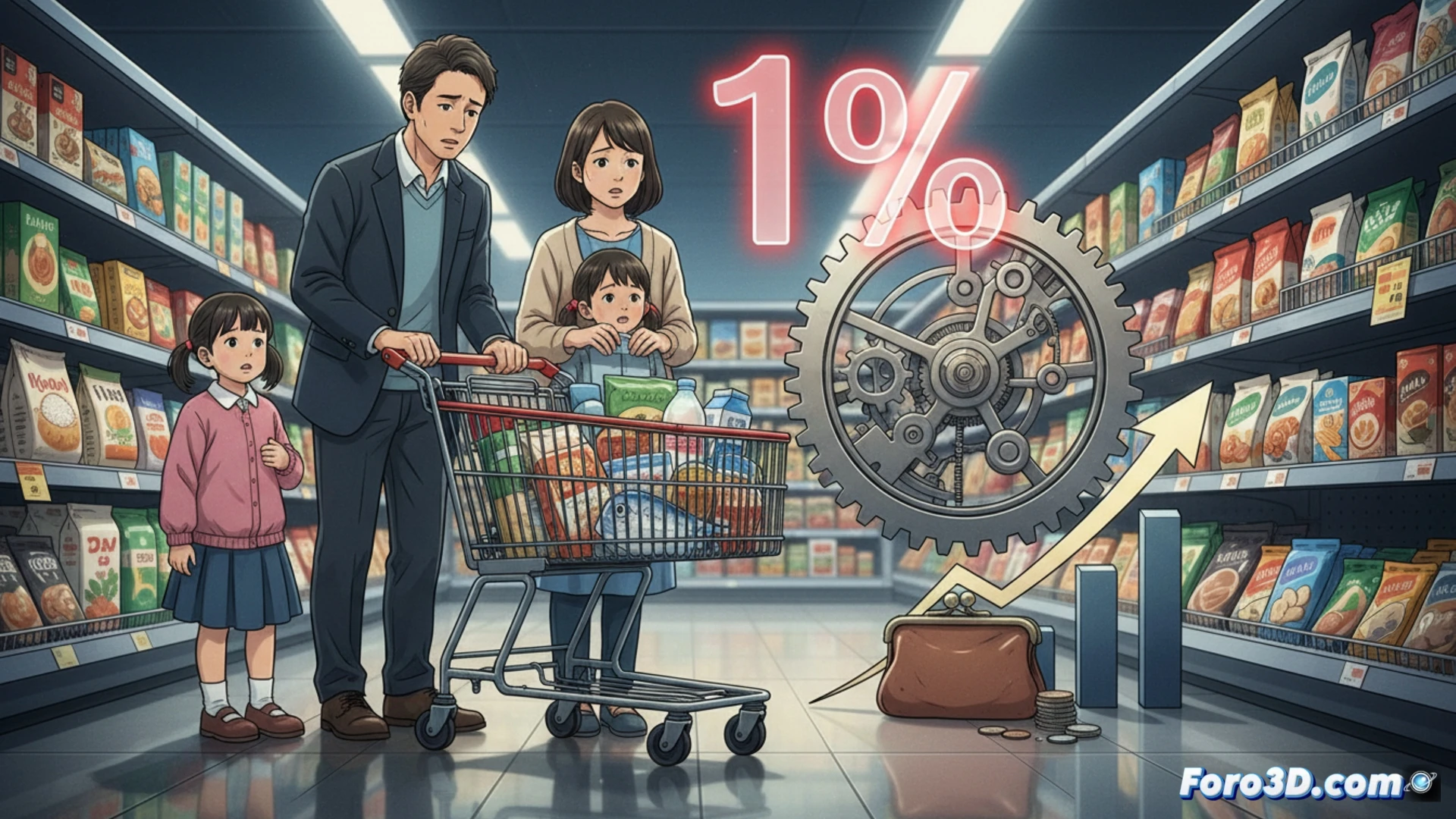
Express update of POS systems and its technical impact 🖥️
The technical key lies in the reprogramming of point-of-sale (POS) systems and cash registers. By setting a single 1% tax, the complexity of differentiating products with a 0% rate from those taxed is avoided, simplifying the software. This allows developers to apply quick patches without lengthy testing phases. The savings in development time are significant, but the cost is passed on to the end consumer, who bears the fiscal adjustment without room to optimize their spending.
The promise vanished, but the cash register updates itself 😅
Promising 0% and delivering 1% is like ordering a free pizza and receiving only half with a delivery surcharge. At least, store owners can sleep easy: their systems will be updated in a jiffy. Of course, when paying, the customer will notice that rice or milk went up a few yen. But don't worry, it's for their own good: so that technology advances faster than their salary.