In France, a company promises to revolutionize construction with 12 homes 3D-printed in just 34 days. The news sounds like a magical solution to the crisis of access to affordable housing. However, the concrete used pollutes heavily, its thermal insulation is terrible, and tenants will pay exorbitant electricity bills. The reality is more complex than the headline.
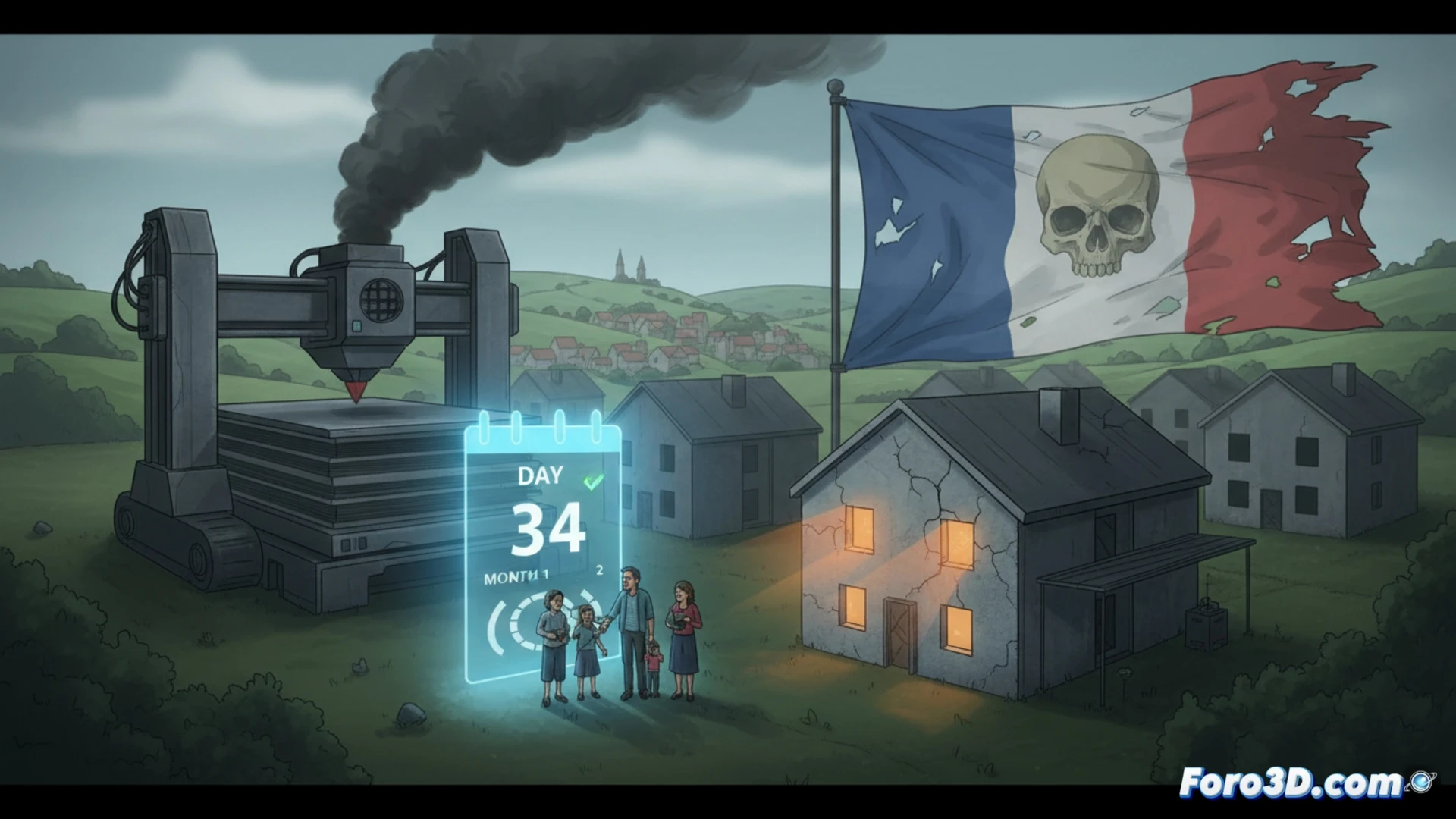
The hidden costs of the printed concrete revolution 🏗️
The company received millions in subsidies from the French government to sell the houses to non-profit cooperatives. In practice, these homes end up in the hands of investors who rent them at market price. The 34 days of printing do not include foundations or finishes, which added another two months. The 3D printers, rented for 50,000 euros per month from a German firm, drive total costs above traditional construction. Additionally, surface defects require extra labor.
Luxury prototypes: when affordable housing is a mirage 💸
The citizen reads "affordable housing" and rubs their hands together, but these 12 houses are a prototype for the rich, not a housing solution. 3D printing is not magic, it's marketing: expensive concrete, inflated timelines, and market-rate rents. In the end, the only thing being printed is the tenant's wallet, layer by layer, month by month.