Automotive advertising has found in artificial intelligence a tool to generate unrealistic female images as a visual lure. This practice not only deceives the consumer but also perpetuates a double social discourse: criticizing the objectification of women while exploiting them commercially. Trust in online commerce suffers when what is sold does not match the reality of the product.
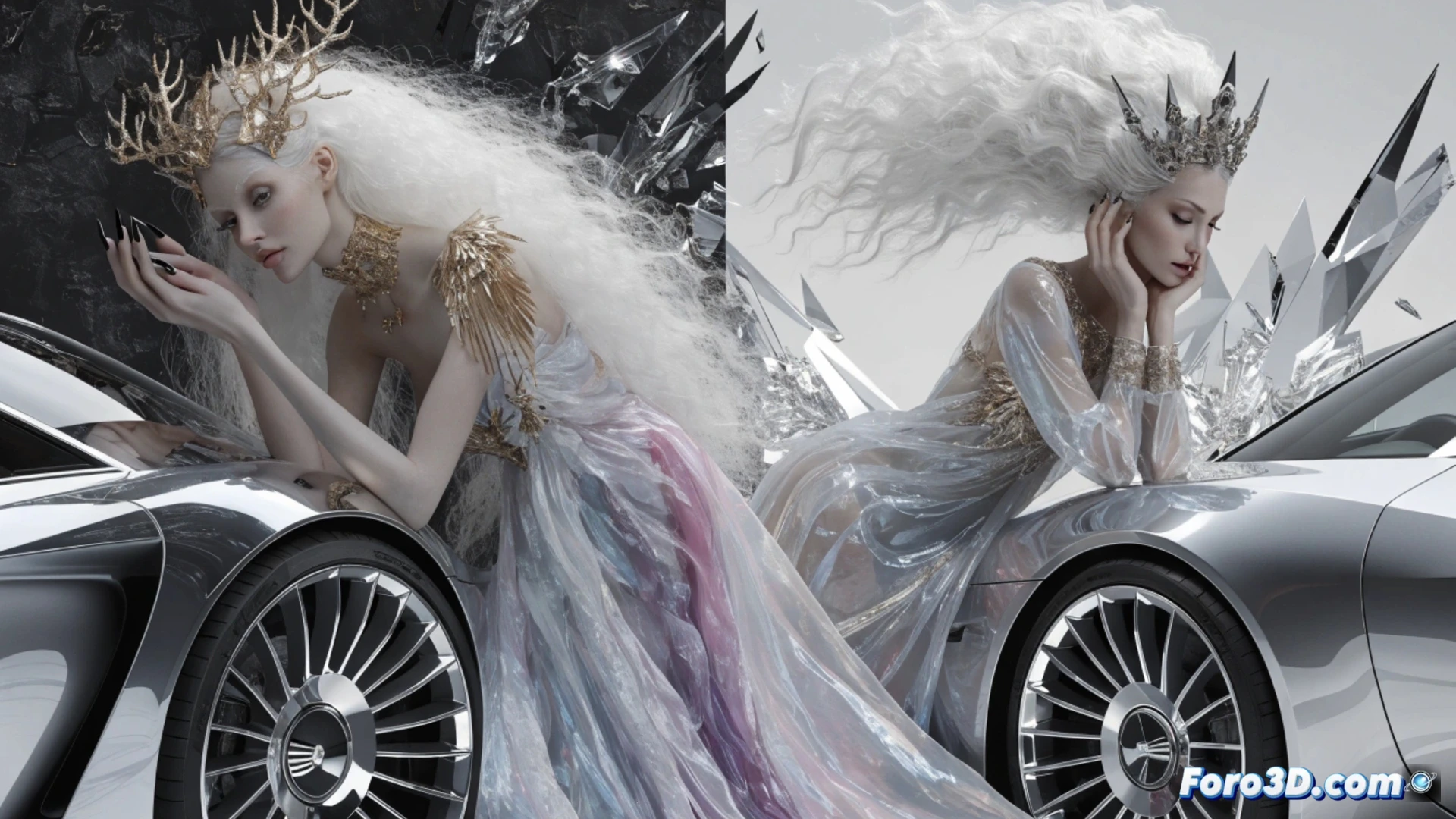
The legal vacuum in advertising generated by synthetic models 🚗
Current technology allows for the creation of hyper-realistic virtual models using generative adversarial networks (GANs) or stable diffusion. However, no specific regulations govern their use in car advertisements. While a dealership cannot falsify engine performance, it can use a fake female image to attract clicks. The technical solution exists: mandatory labeling of synthetic content and penalties for those who market images that do not correspond to the actual product.
Gentlemen, your car doesn't need an imaginary catalog model 😼
Because yes, that's all we needed: now we have to compete with women who don't even breathe. If your car has good horsepower, a good trunk, and a decent price, you don't need an algorithm-generated girl to sell it. But of course, it's easier to create a perfect model than to admit the vehicle has more plastic than a Tupperware container. Next time, put a cat. At least it's real.