Artificial intelligence, such as ChatGPT, already achieves a 78% accuracy in diagnosing diseases, surpassing doctors in complex cases. This allows for a quick and accurate diagnosis by typing symptoms into a chat, from an ear infection to a heart problem. However, diagnosis is only the first step; the final decision on treatment remains the responsibility of the healthcare professional, especially in uncertain cases.
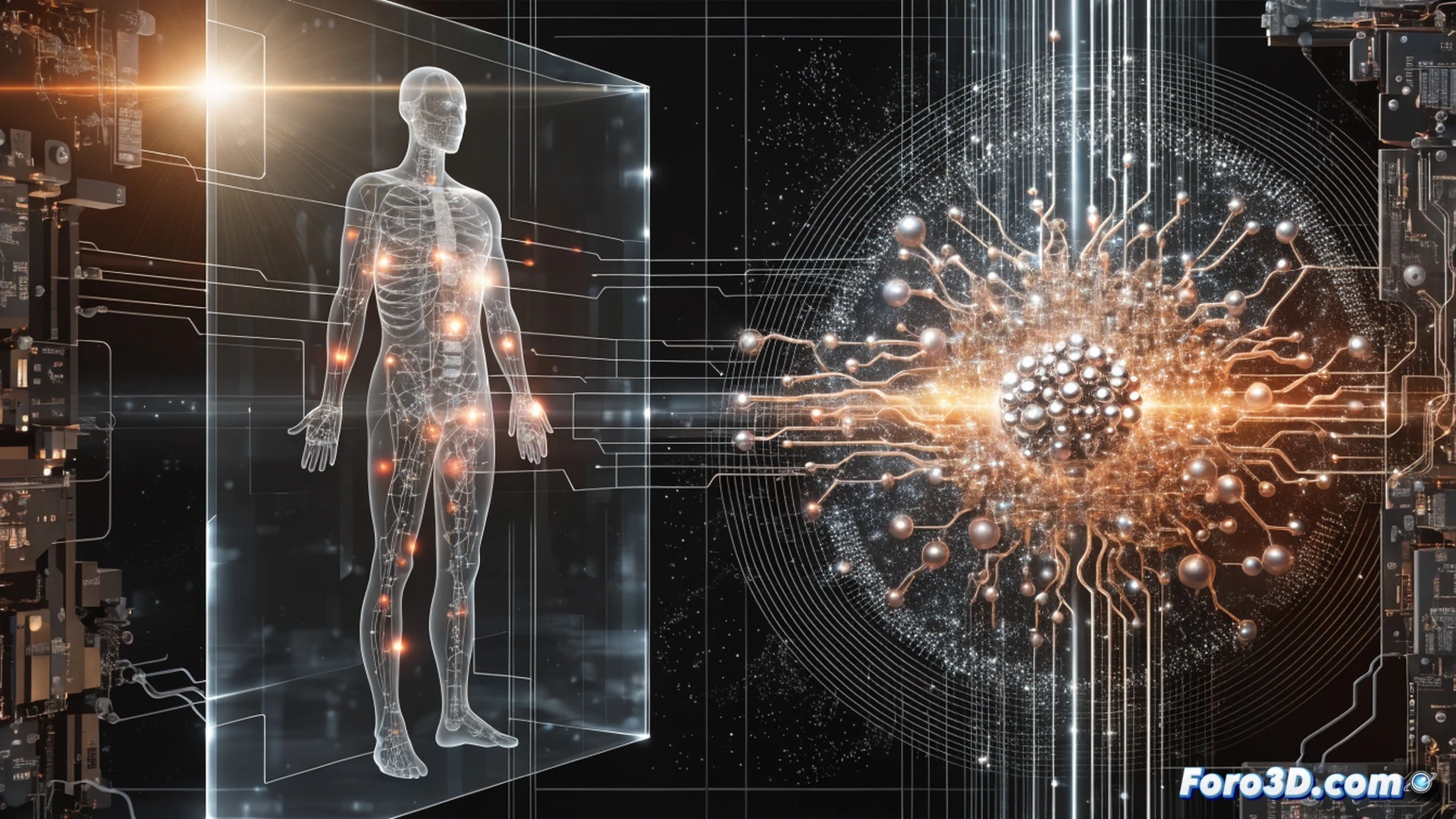
The algorithm that learns from symptoms 🤖
The language model is trained with millions of clinical records and medical publications, identifying patterns that escape the human eye. It does not merely list diseases: it cross-references variables such as age, symptom duration, and risk factors. For example, chest pain with fatigue may point to a heart attack, while with fever it suggests an infection. But its 78% accuracy leaves a margin of error that, in medicine, can be critical. Therefore, AI diagnosis is a support tool, not a replacement.
ChatGPT tells you something is off, but doesn't prescribe anything 😅
It turns out AI is a doctor without a prescription pad: it confidently gives you a diagnosis, but when you ask what to take, it replies with a terse consult your doctor. It's like a fortune teller who gets your future right but doesn't know how to change it. So, yes, you can chat with the machine and come out with a suspicion of otitis or arrhythmia, but in the end, you'll have to go to the real doctor's office. Technology diagnoses, humans decide. And thank goodness, because I don't want an AI prescribing me absolute bed rest for a cold.