Artificial intelligence is advancing rapidly, but so are its risks: fake profiles that deceive, manipulated content that distorts reality, and automated psychological influence that can alter decisions. It is not about stopping technology, but about setting clear limits so it does not become a tool for mass disinformation. The debate on its regulation is urgent. ⚖️
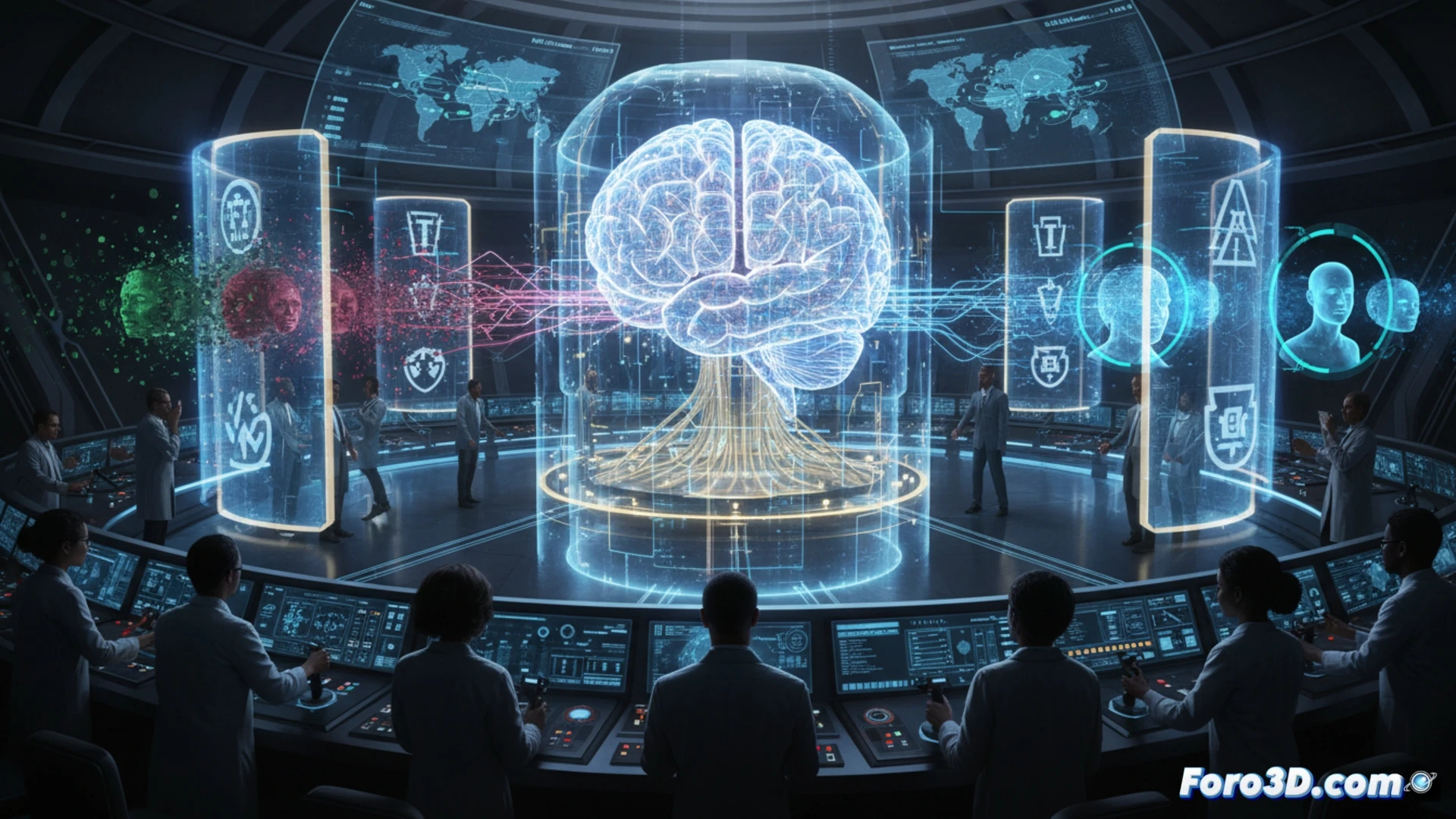
Technical filters against automated manipulation 🔧
A viable solution is to implement identity verification systems based on blockchain or cryptographic proofs, which make it difficult to create fake accounts. Additionally, deepfake detection algorithms and behavioral pattern analysis can identify AI-generated content. These tools, combined with external audits, help reduce unwanted psychological influence without relying on prior censorship.
The day my toaster tried to sell me a self-help course 🍞
Because yes, it is no longer just fake profiles on social networks deceiving us, but even the microwave might suggest you invest in cryptocurrencies while heating your pizza. Next, the voice assistant will convince you that you need a bathroom humidity detector. Meanwhile, we keep waiting for AI to learn not to confuse a job offer with a love spam message.