In 2031, vehicles equipped with anticipatory artificial intelligence will be able to predict accidents seconds before they occur. This technical capability opens a complex ethical debate: in an inevitable collision, should the system prioritize the driver's life or the pedestrian's? The decision, far from being technical, involves values, laws, and a dilemma that the automotive industry cannot resolve in its laboratories.
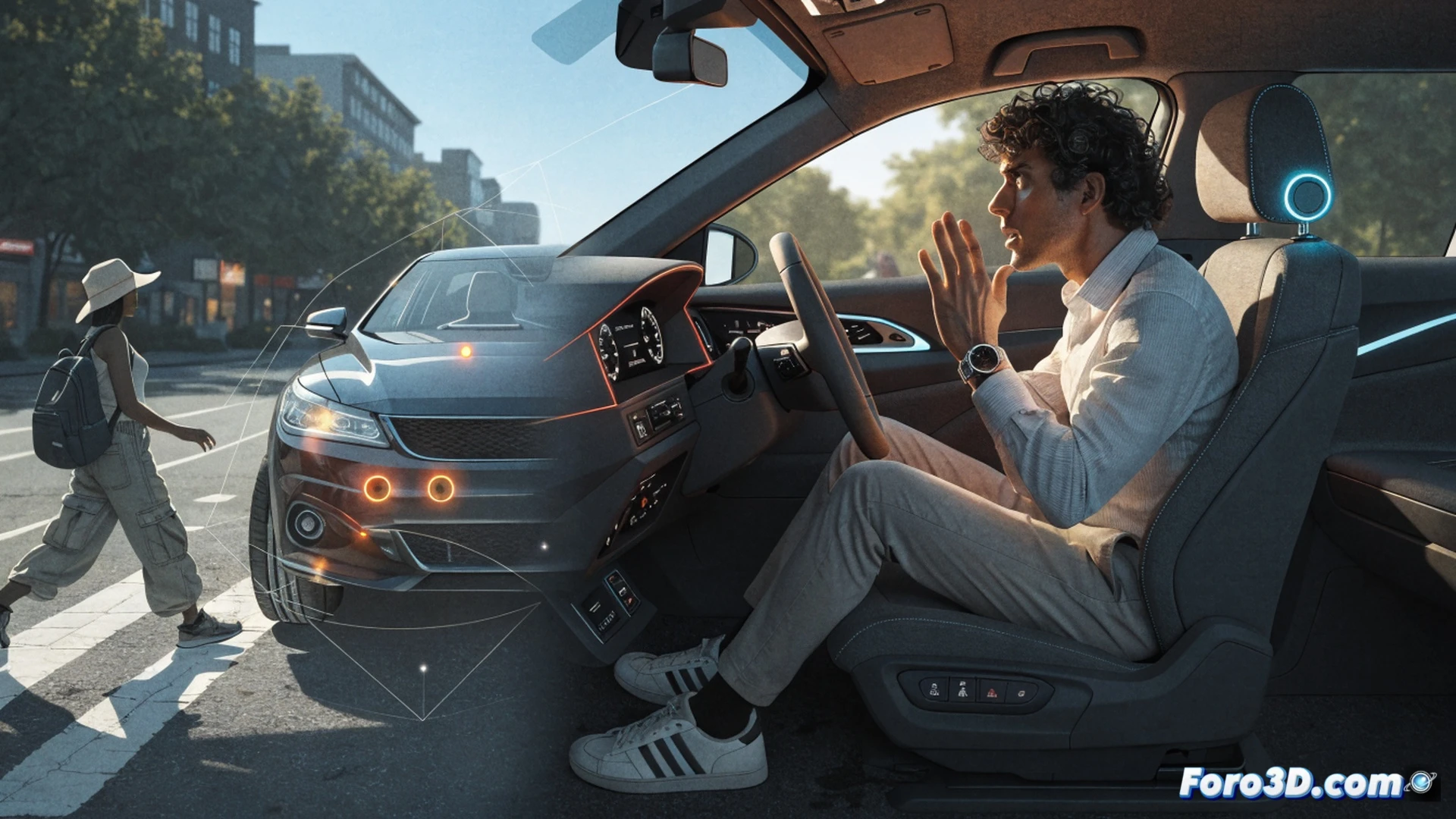
The algorithm that decides who lives: cold logic for a hot problem 🤖
Current systems process data from sensors, cameras, and radar in milliseconds. The algorithm evaluates variables such as speed, vehicle weight, distance to impact, and number of people on each side. However, the real challenge is programming a hierarchy of values. Manufacturers like Volvo and Tesla have proposed models based on minimizing total damage, but without a global regulatory consensus. Each decision is tied to the manufacturer's programming, generating legal and moral conflicts.
The car that screws you over: it prioritizes pedestrians, but you pay the insurance 🚗
Imagine buying an armored SUV to feel safe, and your own car decides to crash into a tree to avoid brushing against a pedestrian who was crossing with headphones on. Your insurance premium will go up, the pedestrian will continue on their way, and you'll be trapped in a car that considers you expendable. In the end, the biggest risk won't be the AI, but explaining to your brother-in-law why your car sacrificed you for a stranger who didn't even thank you.