The dream of hydrogen as a clean energy vector collides with logistical reality. The promise of moving trucks and factories with zero emissions fades in the face of production, storage, and distribution costs. The large corporations that bet on this technology face missed deadlines and supply networks that simply do not take off.
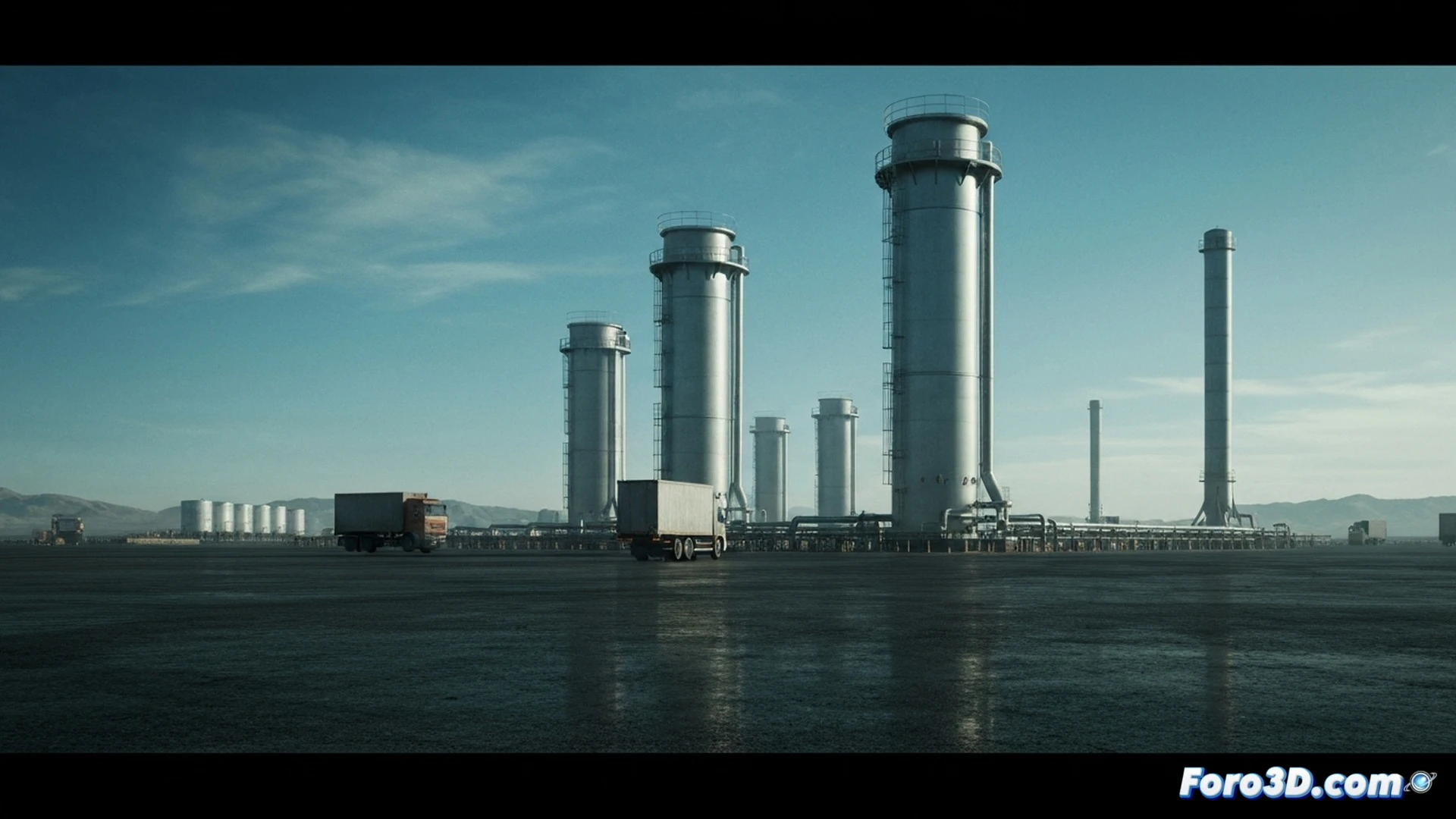
Electrolysis Technology Does Not Solve the Core Problem ⚡
Modern electrolyzers require a huge amount of renewable energy that is not yet available on an industrial scale. Storing hydrogen in liquid form requires cryogenic temperatures, while in pressurized gaseous form it requires high-strength and expensive tanks. Refueling infrastructure for heavy vehicles is almost non-existent outside of pilot projects, and losses from leaks in pipeline transport exceed 10% in some sections.
Hydrogen Escapes from Plans and from Tanks 💨
The smallest molecule in the universe laughs at our seals and O-rings. While engineers try to tame it with titanium valves, hydrogen escapes whistling through any crack. Pilot projects seem more like a recreational physics experiment than a serious energy solution. In the end, the only thing that collapses faster than the logistics network is the promises of executives at shareholder meetings.