Archaeologists have discovered in Bulford, just five kilometers from Stonehenge, a Neolithic structure composed of 48 pits and two wooden posts dated to 2950 BC. This set, aligned with the summer and winter solstices, reveals that solar traditions in the region are older than previously documented.
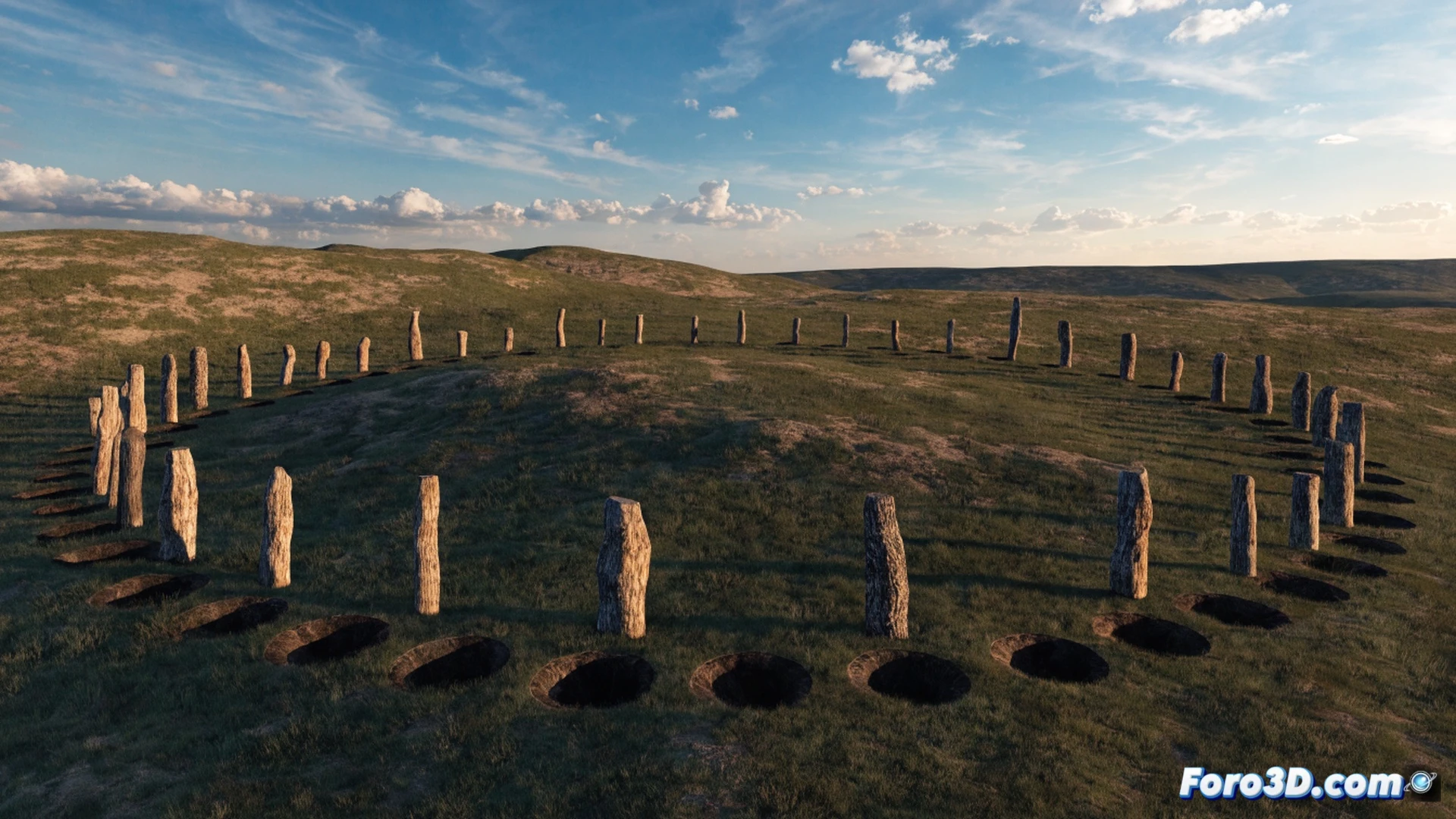
The technical design of the monument and its astronomical alignment 🌞
The structure consists of 48 pits excavated in a circular pattern and two central wooden posts. Carbon-14 analysis places its construction at 2950 BC, five centuries before the earliest phases of Stonehenge. The alignment of the posts with the solstices indicates precise knowledge of the solar cycle. Archaeologists believe it served as a seasonal calendar marker, a direct functional precedent for the stone monument.
Stonehenge, a mere imitator without copyright 😏
It seems Stonehenge was not the solar pioneer we thought, but an upstart who arrived late to the solstice party. While some built with wood and pits, others arrived centuries later with giant stones, thinking they were reinventing the wheel. In the end, the neighbors of Bulford already had the calendar marked since 2950 BC, and no one gave them credit until now.