On May 31, a group of hackers managed to bypass Dashlane's two-factor authentication and accessed the encrypted vaults of fewer than 20 users. Although stored passwords are protected by encryption, the real risk appears if the master key is weak: attackers can attempt to decrypt them without time limits. The security of your manager depends almost entirely on that single password.
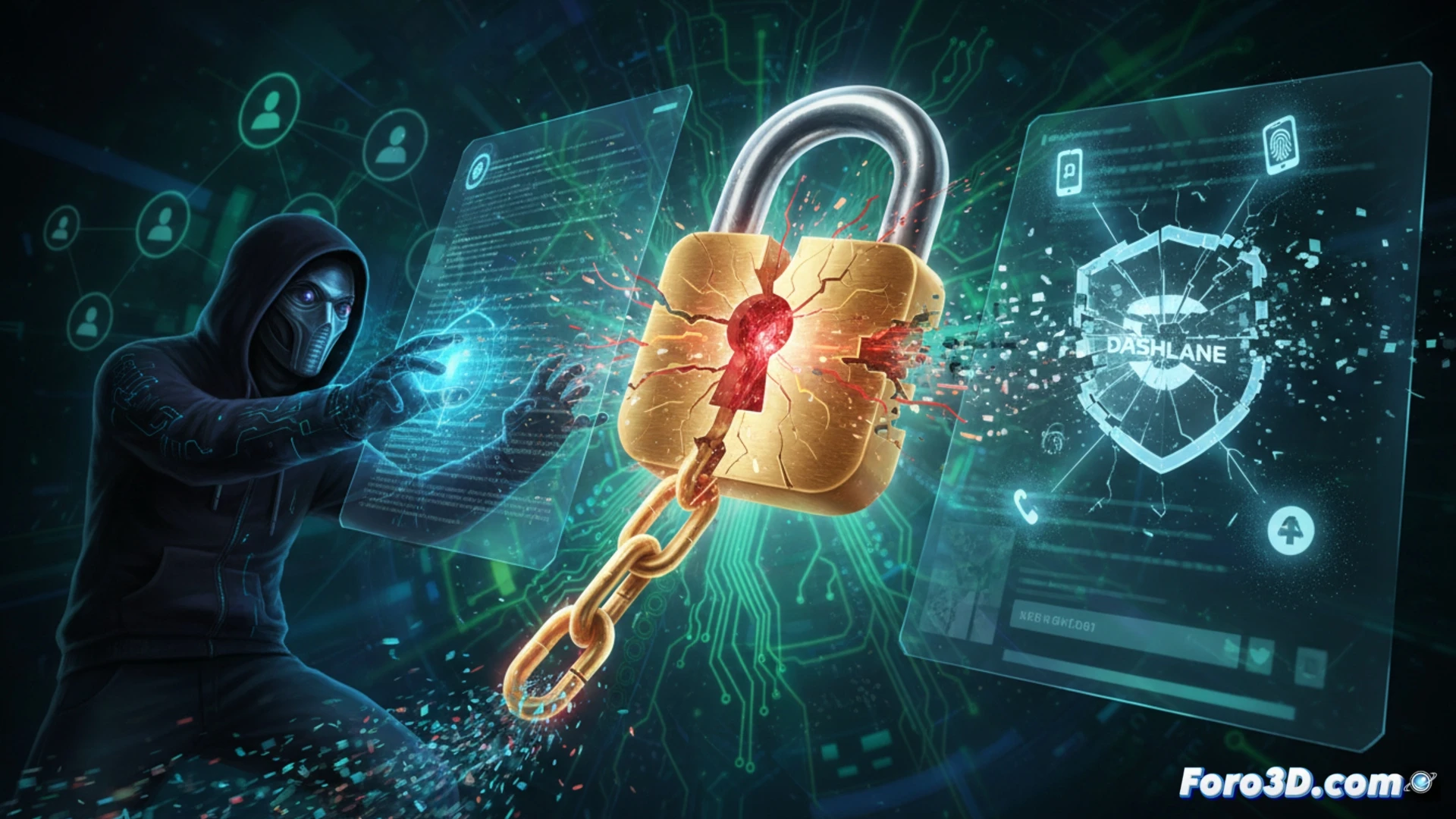
How the attack works and what you should check now 🔐
The flaw is not in the vault encryption, but in the multifactor authentication that was forced through social engineering techniques or session exploitation. Once inside, attackers copy the vaults and can execute offline brute force attacks against the master key. Dashlane has already notified those affected and recommends reviewing authorized devices on the account. If your master key is short or common, the time to crack it is drastically reduced.
Luxury encryption, but with a kiosk padlock 🔑
It's like having a titanium safe with a plastic lock: your password encryption is solid, but if your master key is 123456, hackers can sit down for coffee while they crack it. Dashlane boasts about security, but in the end it all depends on you not using your birth date or your pet's name. Change that key or your manager becomes a nice digital ornament.