A new cybersecurity bulletin reveals the leak of a worm-type malicious code, capable of replicating across connected systems. This attack, combined with a phishing campaign targeting an artificial intelligence agent, puts sensitive data and the integrity of automated processes at risk. The technical community must take note. 🚨
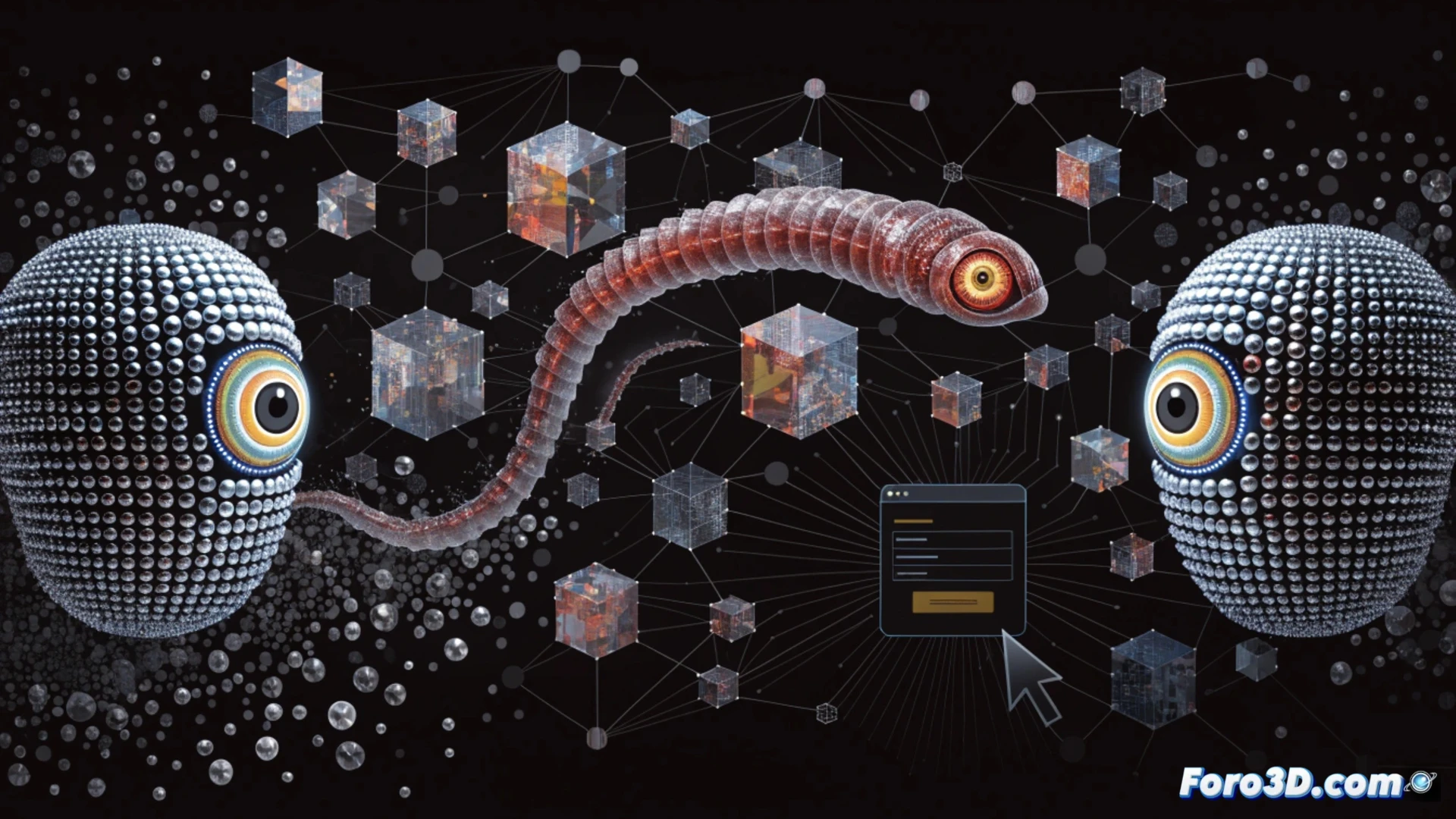
How the worm exploits APIs and language models 🔒
The malicious code takes advantage of vulnerabilities in open APIs of AI assistants. Once inside, the worm spreads between instances, modifying responses and extracting credentials. The phishing, on the other hand, tricks the agent with fake prompts that simulate legitimate updates. Developers must review permissions, implement sandboxing, and audit interaction logs to mitigate the risk.
The digital worm that wants to be your personal assistant 🤖
Now it turns out that even machines fall for phishing scams. The worm, like a nosy office worker, sneaks into the AI agent and starts replying to emails with suspicious links. The worst part is that the assistant, in its eagerness to help, forwards the message to the entire contact list. Good thing it doesn't have access to the credit card, or it would be buying us subscriptions to cloud services.