The Gropius Modular Timber system combines digital design with cross-laminated timber to erect buildings in 50% less time. Each piece is manufactured with CNC precision, labeled, and assembled on-site like a catalog piece of furniture, significantly reducing waste and carbon emissions.
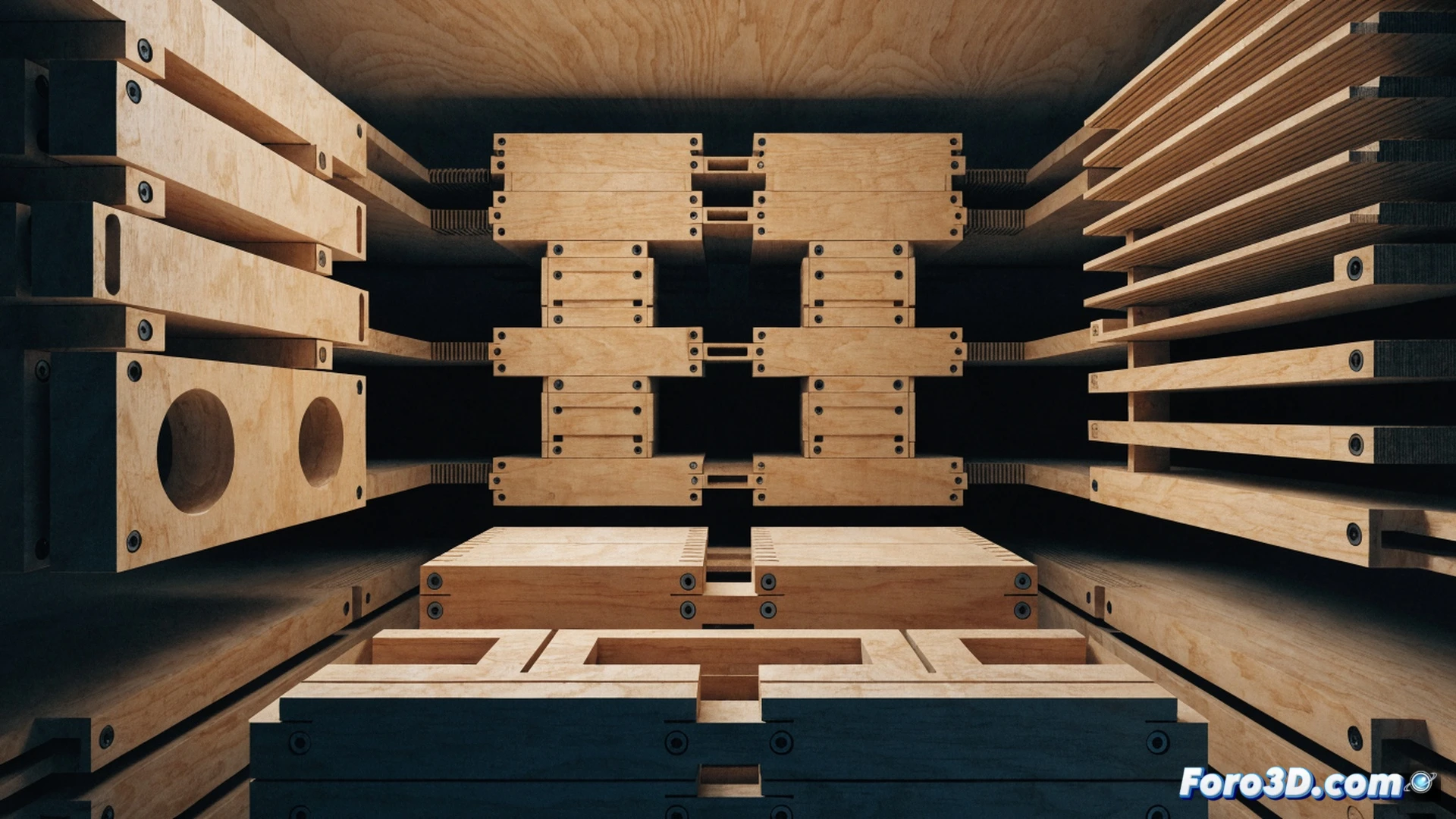
How digitalization turns wood into a precision material 🏗️
The process begins with a BIM model that defines each beam and panel. CNC machinery cuts, drills, and mills the wood with millimeter tolerances. Then, a QR code on each piece guides on-site assembly, where standardized metal connectors and hardware are used. The result is a structure that meets seismic and thermal regulations, but is assembled without heavy cranes or curing times.
The Lego for adults that doesn't come in a box, but does come with a digital manual 🧩
If you've ever assembled a Swedish piece of furniture and had leftover parts, this will sound familiar. The difference is that here there are no spare screws or instructions in hieroglyphics. The Gropius system promises that every piece fits as it should. But beware, if you lose the QR code of a beam, you might end up calling an IT specialist instead of a bricklayer.