A new exploit called GreatXML has shaken Windows security by allowing BitLocker encryption to be bypassed. The vulnerability lies in the manipulation of XML files hosted in the system recovery partition. With physical access to the computer, an attacker can unlock the hard drive without needing a password, exposing personal and financial data. This demonstrates that total security does not exist when someone has direct access to the hardware.
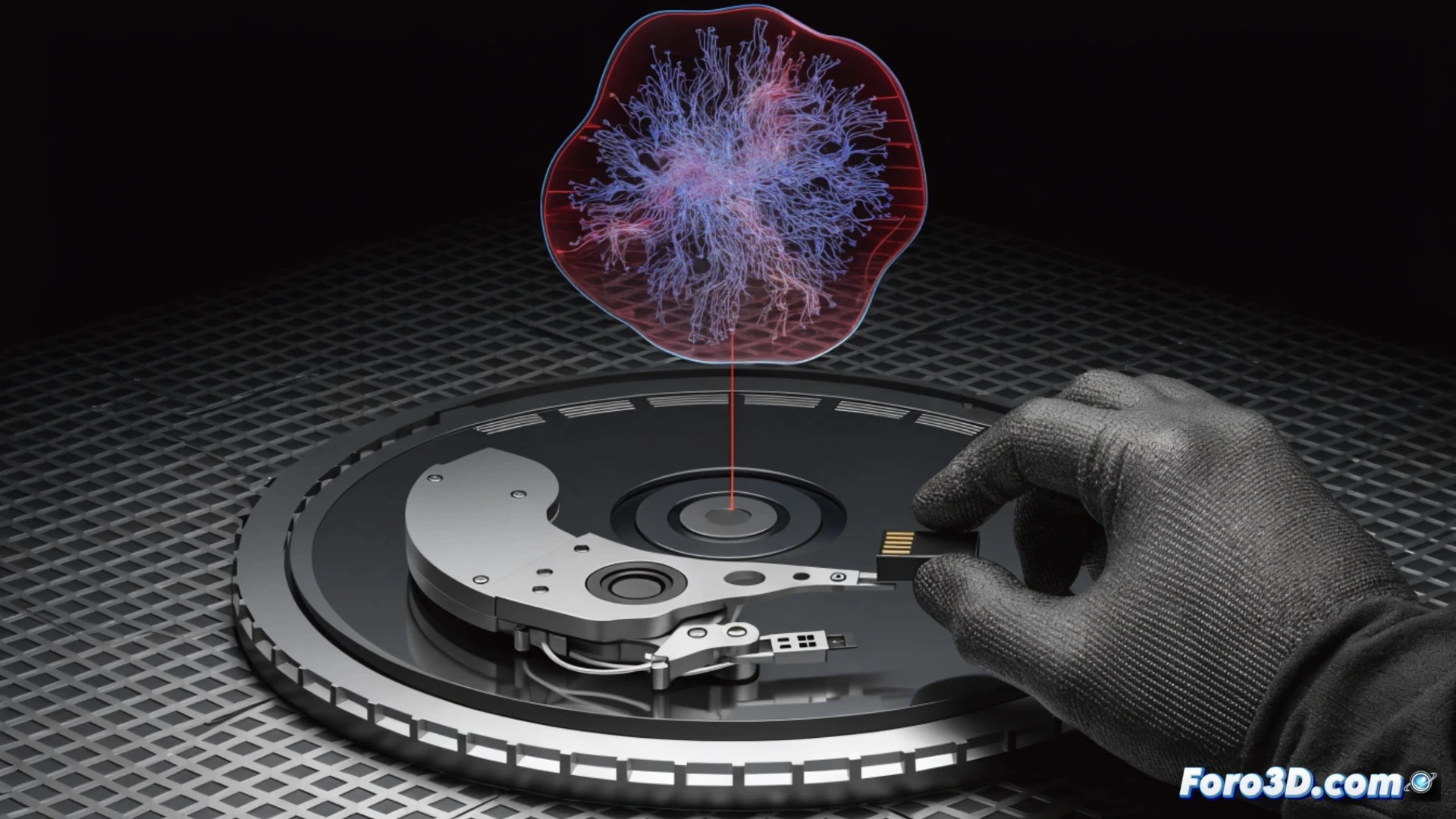
How the exploit leverages recovery files 🛡️
The attack exploits the way BitLocker handles XML configuration files during boot. By modifying these files in the recovery partition, the exploit tricks the system into skipping normal authentication. It does not require advanced skills: an attacker only needs a USB drive with the altered files and physical access to the computer. Microsoft has not yet released an official patch, so physical device protection remains the only effective barrier against this method.
BitLocker: the lock that opens with a text file 🔓
It turns out that having a 20-character password is useless if the system accepts commands from a modified XML file. It's like having a high-security padlock on a safe, but leaving the combination written on a post-it stuck to the door. While experts look for solutions, the most sensible thing is not to leave your laptop unattended in a coffee shop or blindly trust encryption. After all, the best password is still keeping the device under lock and key.