The new installment of the Nordic saga, God of War Laufey, presents itself as an accessible entry point for newcomers. However, this supposed independence is a double-edged sword. Although Santa Monica Studio recommends playing the prequels, the central plot depends on the bond between Kratos, Atreus, and Laufey's legacy, built in God of War (2018) and Ragnarök. Those who skip those titles may feel lost in key conflicts and nuances, reducing the emotional impact of the saga. The door is open, but the welcome mat is a trap.
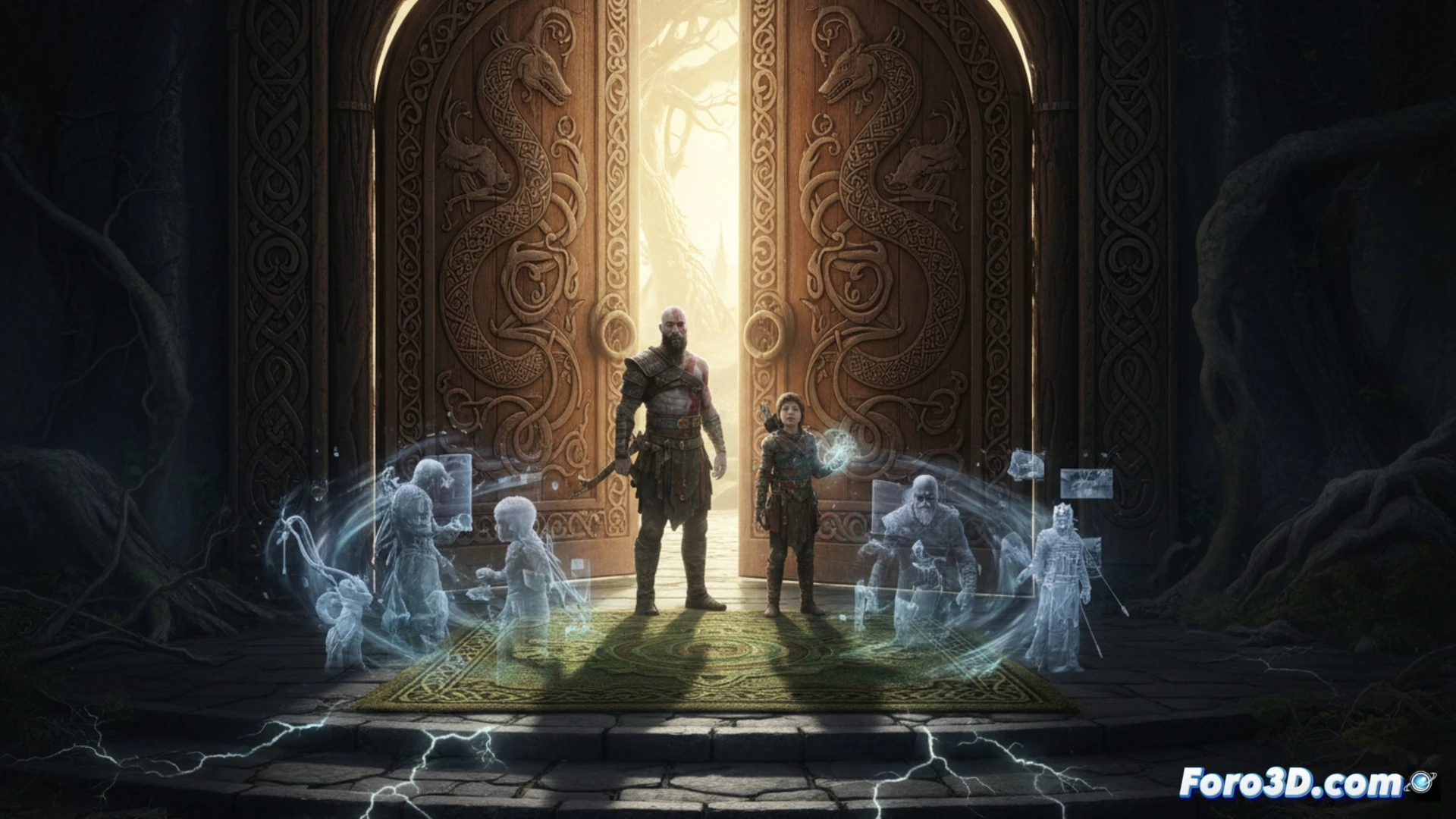
The technical challenge of integrating new users without breaking continuity 🛠️
From a development standpoint, the team has implemented a system of contextual tutorials and cinematic summaries to mitigate the lack of context. However, the branching narrative and the weight of previous decisions complicate the task. The graphics engine, an evolution of the one used in Ragnarök, allows for smooth transitions between action sequences and dialogue. Even so, enemy AI and skill progression are designed for veterans, creating an uneven learning curve. Technical accessibility does not compensate for the narrative disconnect.
The newcomer's dilemma: play 100 hours or miss the point? 🤔
And then you arrive, with your shiny new copy of Laufey, thinking you'll skip the marathon of previous installments. Wrong. It turns out that to understand why Kratos frowns every time someone mentions Faye, you need to have seen his emotional scrapbook from 2018. Santa Monica's implicit recommendation is clear: invest about 80 hours in the previous games or accept yourself as a narrative tourist. It's like going to see Avengers: Endgame without having seen any previous movie: you get the explosions, but not why a raccoon speaks with a British accent.