The recent appearance of a crack in a geothermal plant has highlighted the fragility of critical infrastructure under extreme pressure and temperature conditions. This incident, which could trigger an environmental and energy catastrophe, demands a thorough analysis. 3D technology emerges as the key tool to anticipate these failures.
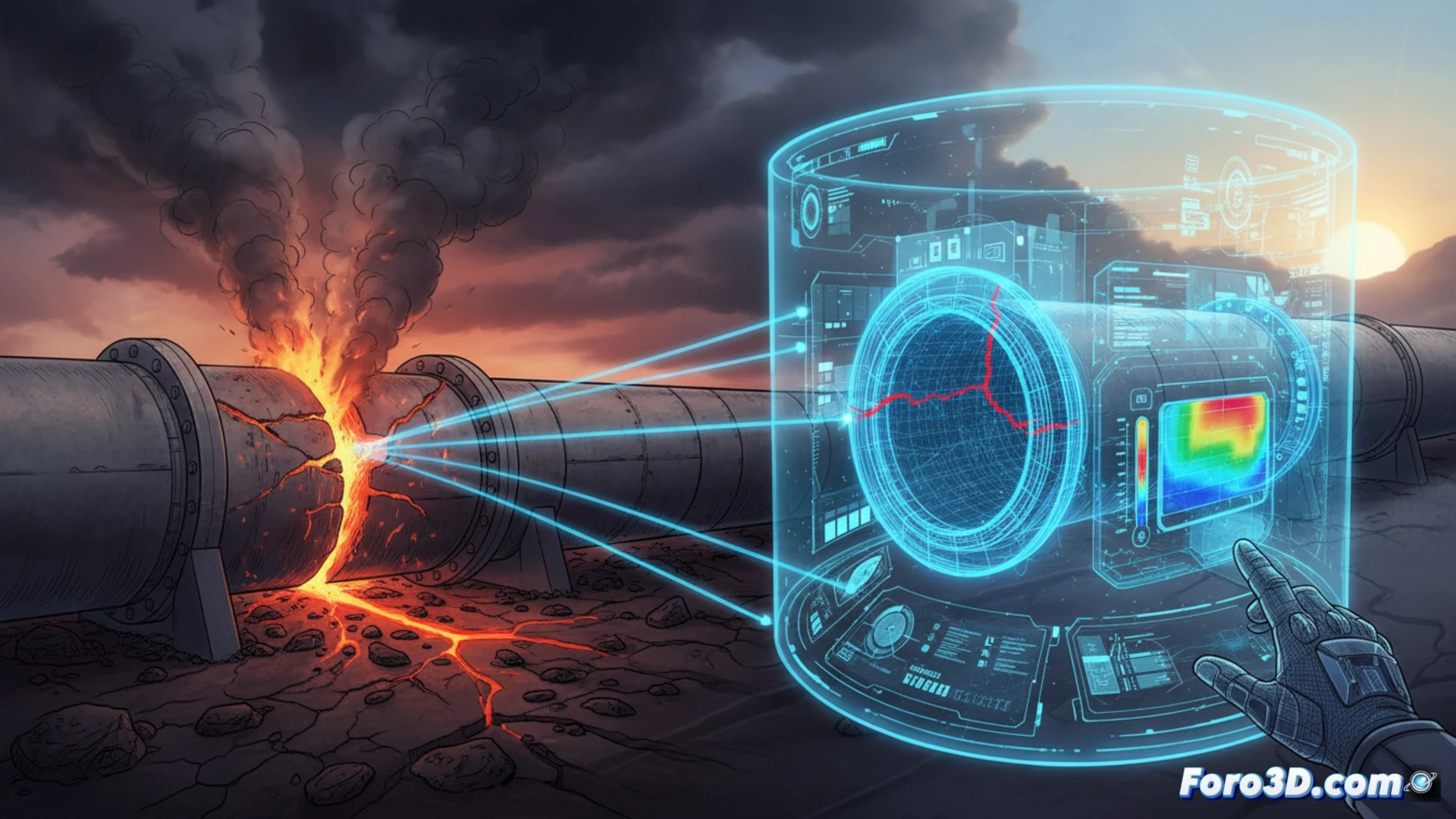
Simulation of material fatigue with 3D models 🔥
Three-dimensional modeling allows for the millimeter-precise recreation of the geometry of pipes and heat exchangers subjected to thermal stress. Through material fatigue simulations, engineers can visualize how microcracks propagate under repetitive cycles of expansion and contraction. Digital twins, fed with real-time IoT sensor data, offer a virtual replica that alerts about critical points before a catastrophic rupture occurs. This technology enables scheduling predictive maintenance and preventing leaks of highly corrosive geothermal fluids.
Lessons for infrastructure safety ⚠️
This event reminds us that prevention is the only real defense against industrial disasters. The integration of 3D analysis not only saves lives but also protects entire ecosystems. Adopting digital twins in geothermal plants is not a luxury but a strategic necessity. The industry must invest in these tools to transform data into swift decisions, ensuring that a crack does not become a catastrophe.
Can a digital twin accurately predict the exact point of fracture in a geothermal plant before the first visible crack appears?
(PS: Simulating catastrophes is fun until the computer crashes and you are the catastrophe.)