Digital twin technology, which transformed the manufacturing industry, is now reaching medicine with a personalized approach. In dentistry, virtual copies of the patient's anatomy are already being created to design custom prosthetics and devices. This advancement enables more precise and faster treatments, even using cell phones to collect data. For citizens, this means fewer doctor visits and care tailored to each body.
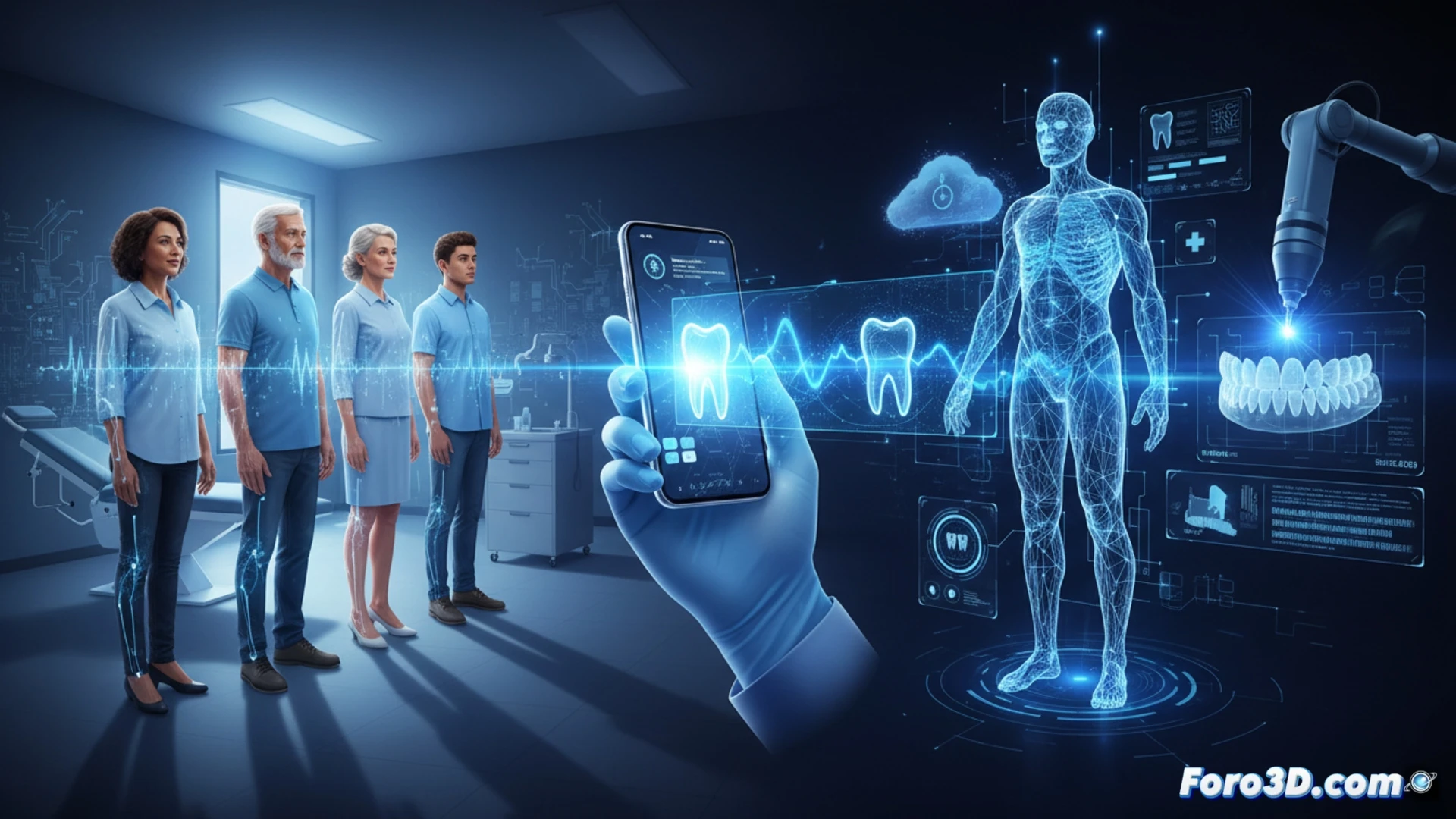
How the digital twin redefines dental treatments 🦷
The process begins with capturing patient data using intraoral scanners or cell phone images. This information is turned into a 3D model that replicates bones, teeth, and tissues. On this replica, specialists simulate interventions, adjust prosthetics or aligners without the need for physical molds. The precision is such that devices are manufactured with minimal tolerances, reducing errors and subsequent adjustments. The result: fewer appointments and more efficiency in the office.
Goodbye to plaster in the mouth: now everything is virtual 😁
Before, molding teeth was like swallowing a spoonful of cold cement. Now, with the digital twin, the patient only needs to open their mouth in front of a scanner or their own phone. The dentist obtains a 3D model without causing gagging or forced smiles. Of course, the downside is that you can no longer tell that epic story of how you survived the taste of plaster. But in return, your new prosthesis will arrive sooner and fit better. There must be a reason for that.