Ink printing on banknotes is a high-precision process that combines lithography, intaglio printing, and optically variable inks. For the niche of 3D Financial Visualization, this represents a fascinating technical challenge: digitally replicating every relief, microtext, and hologram to create virtual twins indistinguishable from the physical original.
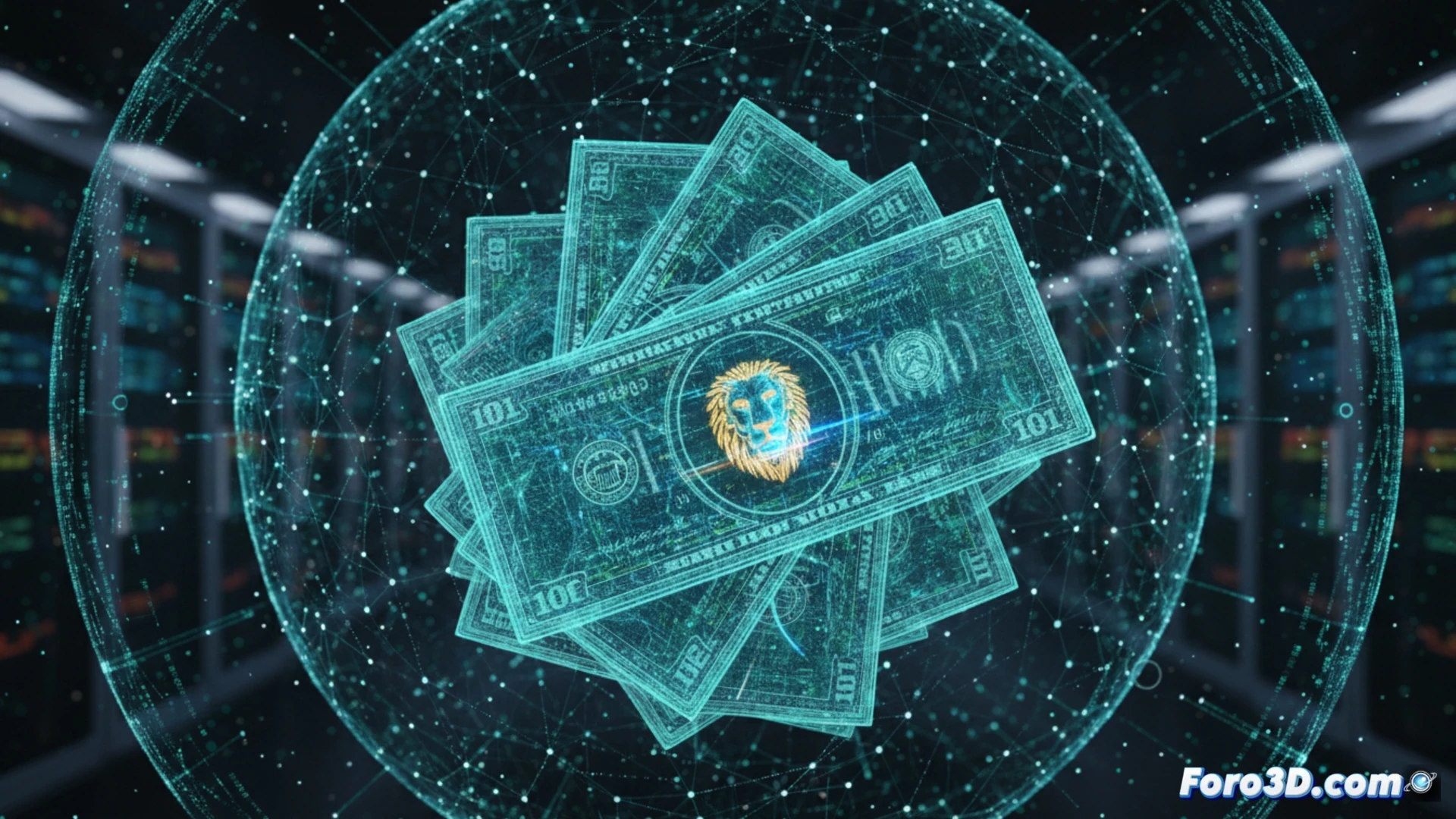
Scanning and simulation of security layers 🔐
3D modeling of a banknote requires capturing multiple physical layers using high-resolution photogrammetry or structured light scanners. The next step is to simulate the interaction of light with metallic inks and tactile reliefs. Tools like Substance Designer or Blender allow creating shaders that replicate the color shift in holograms or the glow of security fibers. This is crucial for training neural networks in counterfeit detection systems, as the digital twin can be subjected to extreme wear or lighting conditions without damaging a real banknote.
The paradox of virtual authenticity 🤔
When modeling money in 3D, we face a paradox: the more faithful the digital replica, the more useful it is for protecting real value, but also the more dangerous if it falls into the wrong hands. Therefore, the future of financial visualization lies not only in geometric precision but also in integrating digital watermarks and cryptographic metadata within the 3D model itself. Thus, the digital twin of a banknote becomes an authentication tool, not a threat.
What technical limitations does the 3D reproduction of diffraction and color-shift effects of optically variable inks impose on digital twins of banknotes?
(PS: modeling a bank deposit in 3D is easy, the hard part is making it grow like in the simulation)