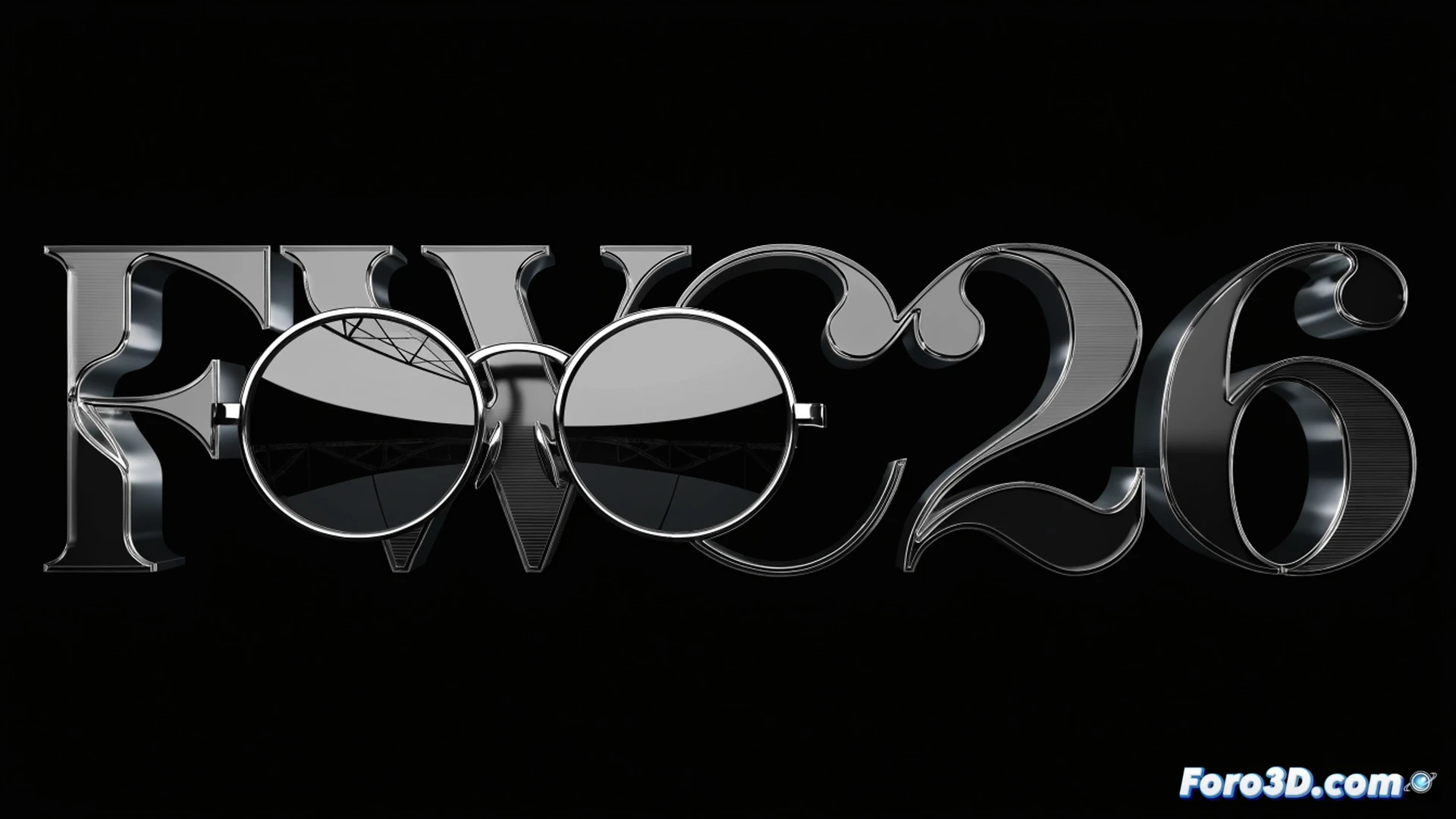
The 2026 World Cup debuts a typeface called FWC26, designed to make an impact on posters and jerseys. However, its tight, decorative style creates legibility issues on small screens. On televisions and mobile phones, country names become confusing, and abbreviations like RSA for South Africa are difficult to identify. Clarity for the viewer takes a back seat.
A Problem of Kerning and Resolution 🧐
The design prioritizes aesthetics over function. In typography, kerning (space between characters) has been minimized to achieve a striking visual effect. On low-resolution or low-contrast screens, letters merge together and abbreviations lose their shape. For a fan following real-time statistics on a mobile phone, deciphering RSA, KSA, or USA becomes a guessing game. FIFA opted for visual impact over usability.
Typography or Modern Hieroglyphics 🔍
Now reading the scoreboard is like taking a vision test. If you see RSA on screen, you don't know if it's South Africa or a new FIFA acronym. Soon we'll need a magnifying glass to know if Brazil or Belgium is playing. At least the designers made sure the jerseys look great in photos, even if no one knows which country is losing 3-0.