The recent fire in a recreational vehicle has once again highlighted the fragility of these mobile homes. This incident, which could have been a major catastrophe, forces us to analyze the most recurring technical failures in these spaces. The combination of electrical systems, lithium batteries, and LP gas networks turns RVs into time bombs if not properly maintained.
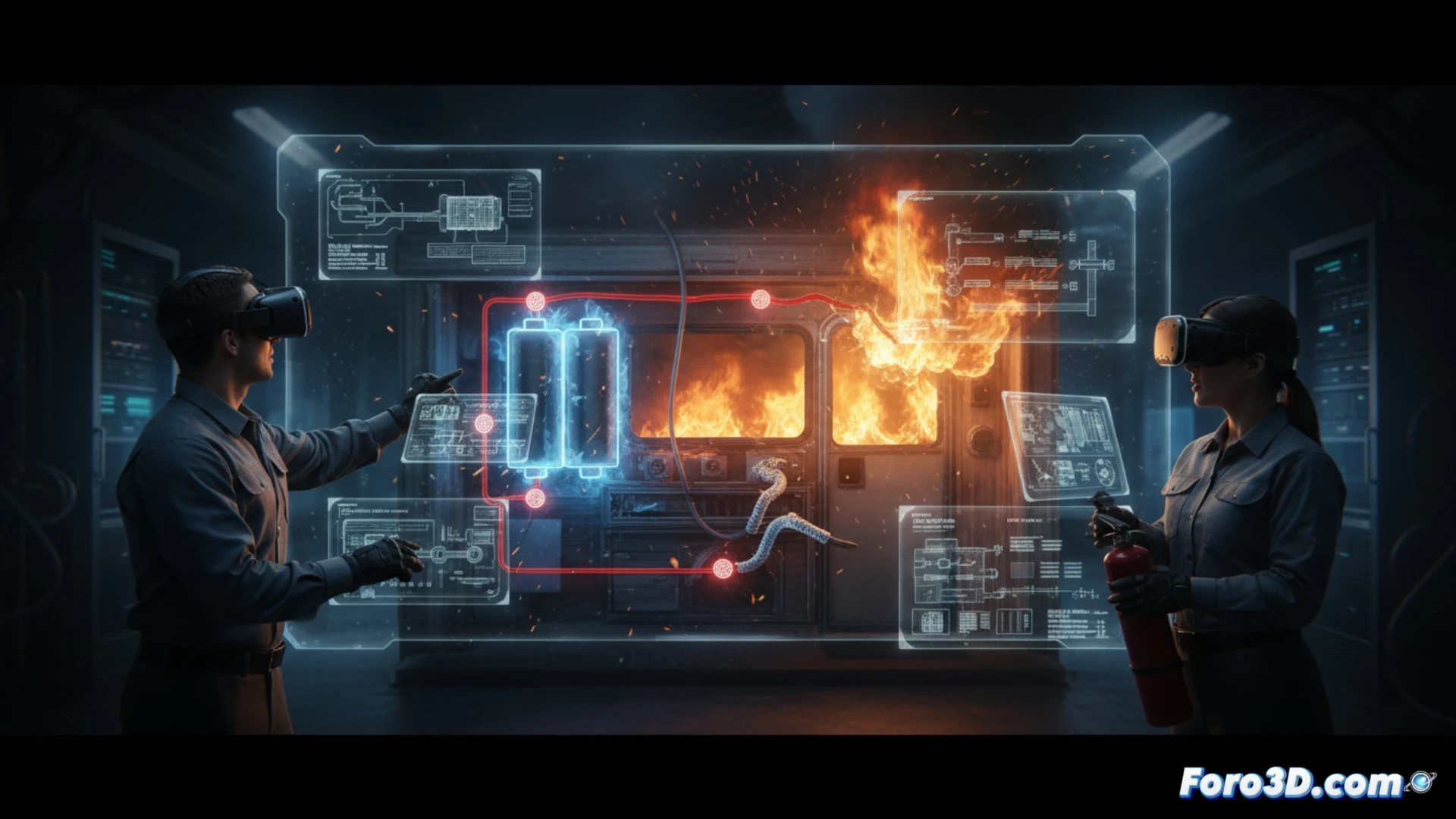
Modeling failures and thermal propagation 🔥
The most common causes of ignition in recreational vehicles include overheating of inverters, short circuits in 12V wiring, and leaks in propane connectors. Using 3D simulations with CFD software, we can recreate fluid dynamics and heat transfer inside the cabin. These models allow us to visualize how fire spreads from the battery compartment to the wall panels made of insulating foam, evaluating the combustion rate and generation of toxic fumes in critical seconds for evacuation.
Virtual lessons for real safety 🛡️
3D simulation is not only useful for investigating incidents but also for redesigning safety protocols. By modeling failure scenarios in gas and electrical systems, engineers can optimize the placement of smoke detectors and fire extinguishers. Additionally, new fire-resistant materials for interior cladding can be virtually tested, reducing the spread rate and giving occupants the vital time needed to exit before structural collapse becomes inevitable.
How can 3D simulation of fires in recreational vehicles help identify critical fire propagation points that traditional safety protocols often overlook?
(PS: Simulating catastrophes is fun until the computer melts down and you are the catastrophe.)