The French team crushed Norway 4-1 in the 2026 World Cup, with three goals from Ousmane Dembélé, securing first place in the group. Erling Haaland's absence, rested by Norway for the next phase, sparked debate among fans. Many consider this strategy prioritizes results over spectacle, leaving supporters with a lackluster match. France, firm, advances without relying on speculation.
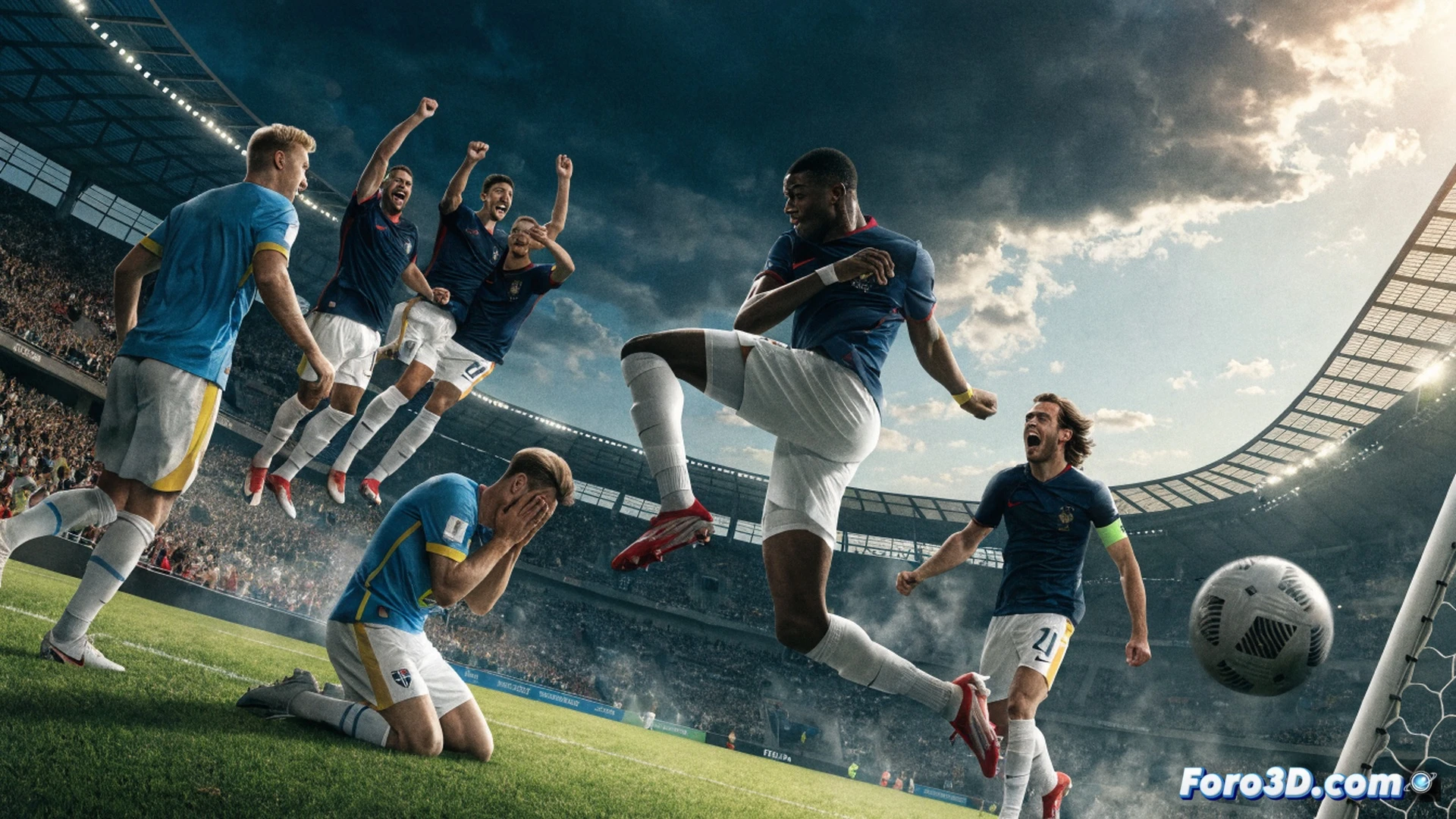
Data management defines tactical performance at the elite level ⚽
Real-time performance analysis explains French superiority. Dembélé executed precise off-the-ball runs, supported by a positioning system that exploited the spaces left by a Norway without its offensive reference. Predictive models of modern teams allow risk calculation: resting Haaland was a decision based on injury and fatigue probabilities. France, on the other hand, prioritized the continuity of its starting eleven, demonstrating that technology not only optimizes squads but defines the pace of the game.
Resting Haaland, or how to sell tickets for the next drama 🎭
Norway arrived at the stadium hoping to see their star, but the bench turned it into a vacuum cleaner ad: it promises a lot, but sucks nothing. While Dembélé had fun like a kid in a water park, the Norwegians did math to justify their strategy. In the end, France won, the audience lost, and Haaland saved himself the fatigue of running. Next chapter: Norway against the world, with their rested hero and the hope of not having made fools of themselves twice.