The French national team has a clear objective in the World Cup group stage: to finish first. Not only for prestige, but for a key logistical reason. If they lead their group, they will stay in the northeastern United States, based in Boston, until the quarterfinals. If they finish second, transfers to Dallas, Miami, or Atlanta await them, adding hours of flight time and affecting rest. Elite sport also deals with practical travel issues.
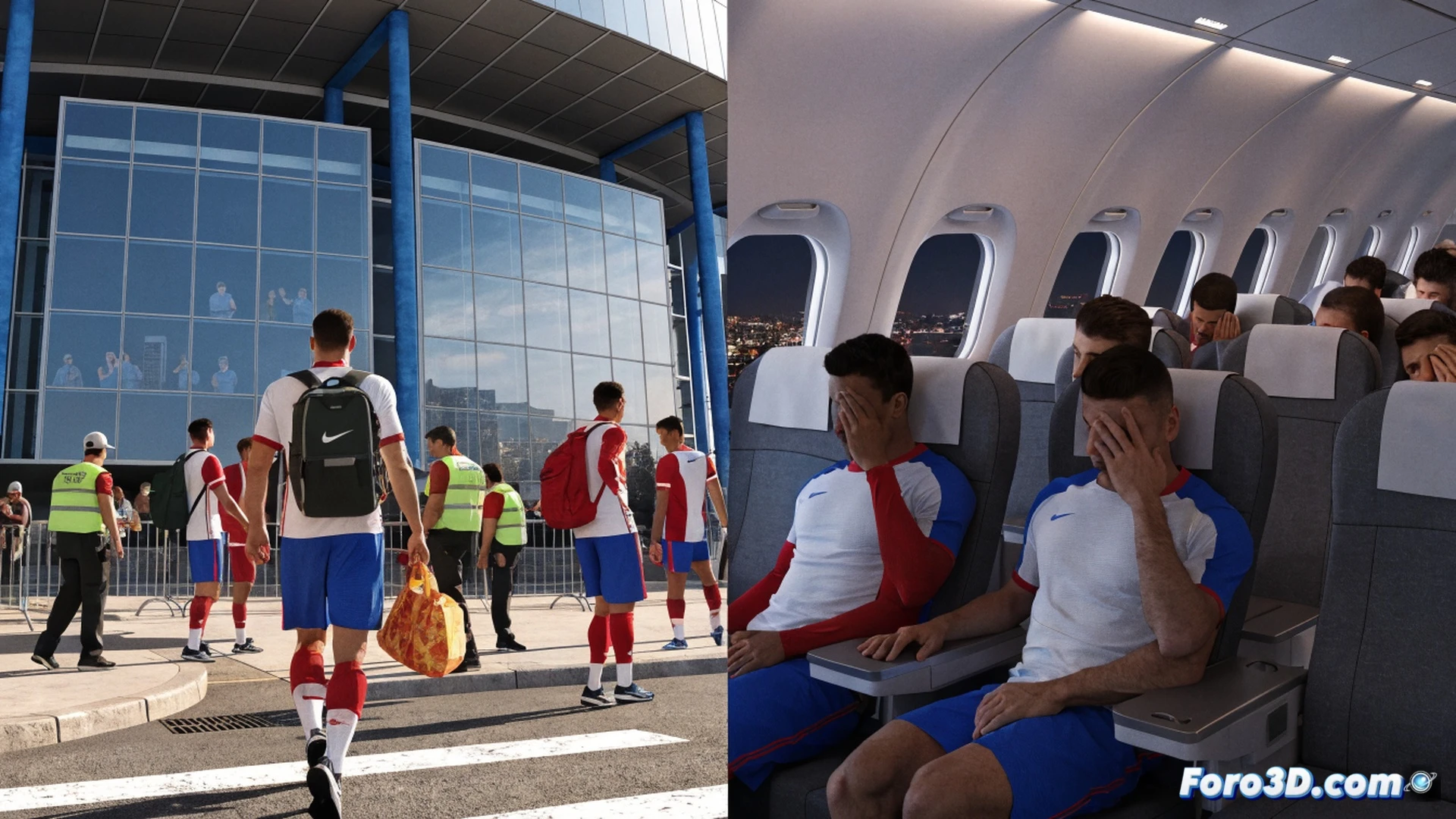
Travel logistics as a technical factor in sports performance ✈️
In modern football, every detail counts, and travel is no exception. A team that travels less accumulates less fatigue and has more time to recover and train. France has calculated that staying in the northeast reduces physical and mental wear and tear, optimizing tactical preparation. Route and schedule planning has become a key technical element, where data analysis on time zones and sleep quality can make the difference between a comfortable passage or avoidable exhaustion.
The team's GPS: more fear of the TSA than of Mbappé 🗺️
While rivals fear Mbappé, France trembles at the possibility of spending three hours at a security checkpoint at Boston airport. Travel logistics have become so important that the coaching staff studies flight maps more closely than the opponent's tactics. If they win the group, they will celebrate not only the victory, but the fact of not having to pack their bags. In the end, being first is the simplest strategy: less plane, more nap, and hopefully, more goals.