Fracture of a tracheal stent is a serious complication that can compromise the patient's airway. This mechanical failure, often caused by material fatigue or repetitive movements of the trachea, requires urgent intervention. Anatomical 3D modeling and finite element simulation are presented as key tools to understand the causes of the rupture and plan a safe removal of the damaged device.
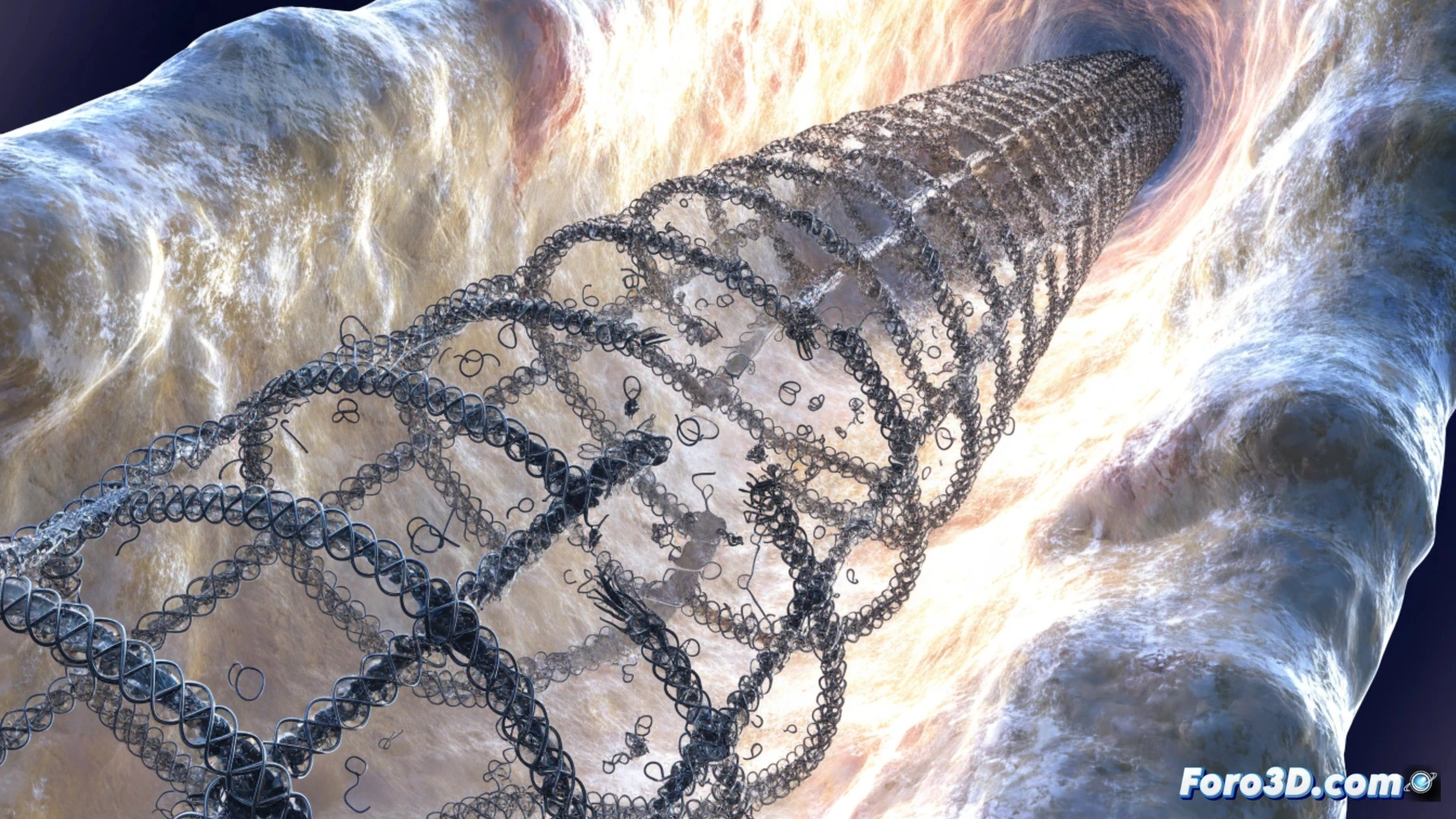
Mechanical Simulation and Anatomical Reconstruction 🔬
To analyze the fracture, the first step is to reconstruct the patient's trachea from a CT scan in DICOM format. On this 3D model, the exact geometry of the fractured stent can be superimposed. Using simulation software, loads that mimic breathing and coughing are applied to identify the maximum stress points that caused the rupture. This analysis allows surgeons to visualize the impact zone and design an endoscopic or open extraction strategy with a 3D-printed guide of the affected anatomy.
Towards the Personalized Tracheal Stent 🖨️
The main lesson from these failures is that commercial one-size-fits-all stents do not always adapt to individual biomechanics. 3D printing allows for the manufacture of personalized stents with variable geometries, optimized thicknesses, and flexible materials that better distribute loads. By combining stress simulation with additive manufacturing, it is possible to design a device that mimics the elasticity of the native trachea, drastically reducing the risk of fracture and improving the patient's quality of life.
Faced with the challenge of predicting tracheal stent fracture through finite element simulations, which specific patient biomechanical parameters (such as dynamic tissue stiffness or cough kinematics) should be integrated into the 3D model to improve accuracy in preventing this mechanical failure?
(PS: If you 3D print a heart, make sure it beats... or at least doesn't cause copyright issues.)