The breakage of a microscope is not just a laboratory accident; it is an event that transforms a precision tool into a memory of methacrylate and optics. At foro3d.com, we analyze what happens when the main lens breaks, how it affects workflow, and what alternatives exist to avoid being left in the dark in the middle of an investigation.
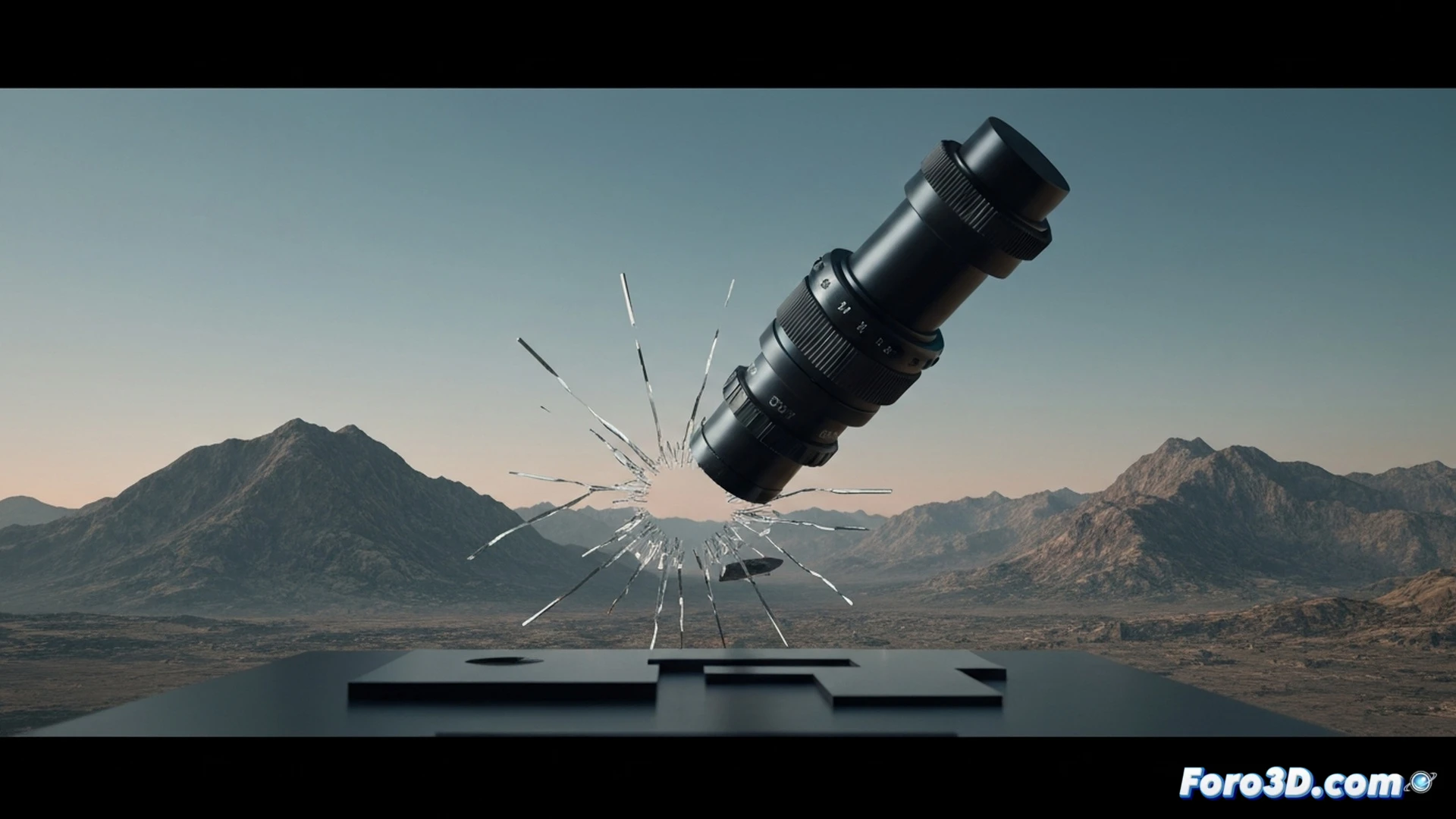
Lens replacement and post-fracture calibration 🔧
Replacing the damaged objective requires knowing the type of mount, the focal length, and the refractive index of the original glass. Modern microscopes integrate sensors that detect deviations in the light beam; if the glass breaks, the system may block autofocus. Subsequent calibration involves aligning the condenser and readjusting contrast with reference patterns, a process that can take several hours if the manufacturer's technical manual is not available.
The day your sample ended up in optical limbo 🔬
That morning you were about to discover the cell of the century, but the microscope decided to split its own lens. Now you have two options: cry over the glass remains or improvise a magnifying glass with a water bottle. In the end, you will most likely end up using your phone for digital zoom, while the boss asks why the budget went on spare parts.